Clinical Care
- Home
- Clinical Care
Clinical Care
NIH News in Health · Source article Grief is something we all go through. It can follow the death of someone you love, the end of a relationship, or another major loss or life change. While experiencing grief is normal and natural, it can still feel hard to understand. Researchers are working to learn more about how people grieve and what helps people move through it. “Grief is a natural response to losing someone or something we are deeply attached to,” says Dr. Wendy Lichtenthal, a clinical psychologist at the University of Miami Health System. “We are wired for connection, so when we lose someone central to our lives, we often respond with distress and longing.” The Myth of ‘Stages’ Many people expect grief to follow a set path. They wait to move through stages of sadness, then anger, then acceptance. But researchers say that grief is not a straight line. “There’s no wrong way to grieve,” says Dr. Sarah Stahl, an associate professor of psychiatry at the University of Pittsburgh. “Everyone grieves differently. There’s no timeline.” Grief looks different for everyone. It can bring sadness, anger, or a loss of meaning in life. Some people cry often. Others feel numb, restless, or even guilty. These are all normal responses. “One of the things that can make grief harder is when people believe they are grieving the wrong way, or should be ‘further along,’” says Lichtenthal. Her research focuses on meaning-centered grief therapy for parents who have lost a child. “We help people recognize and shift the meanings they are making about their grief, their loss, and themselves, while also strengthening their sense of meaning in life by connecting them with things that matter most to them.” In early findings, parents who went through the therapy reported a stronger sense of meaning in life and sense of connection to the child they lost. Lichtenthal says, “It’s not about moving on, but about learning to coexist with grief while finding ways to stay connected to the person who died and engaged in life.” The Body’s Response Grief doesn’t just affect your emotions. It can take a toll on your body. Physical symptoms can include headaches, loss of appetite, fatigue, dizziness, and trouble sleeping. Older adults who lose a spouse face unique challenges. They may be dealing with changes in their own health challenges and are more likely to feel socially isolated, which can make grieving harder. Stahl’s study helped older grieving adults rebuild regular routines around sleep, meals, and physical activity. These three healthy habits are often disrupted after a loved one dies. The online program provided daily digital check-ins and health coaching. Even without in-person contact, participants showed real improvements in their depression and anxiety symptoms. “Focusing on simple, healthy routines is very empowering,” Stahl says. “It helps people work through their grief by taking care of themselves.” Sleep plays an important role in healing. It supports brain health and helps people process emotions and memories. Stahl’s research suggests that rebuilding healthy sleep habits may be one of the most important things a grieving person can do for their health and well-being. Feeling Stuck Most people adapt to loss over time. But some people get stuck in their grief for much longer. They can develop a condition called Prolonged Grief Disorder, or PGD. People with PGD feel intense grief for more than a year after a loss. They may think constantly about the person who died, feel unable to connect with others, or believe the future holds nothing for them. Unlike normal grief, these feelings do not ease with time and can make it difficult to get through the day. Dr. Holly Prigerson, a social scientist at Weill Cornell Medicine, spent years working to get PGD formally recognized. Her research showed that this form of grief is distinct from depression and requires its own approach to care. “Before PGD was formally recognized, many grieving people were misunderstood or misdiagnosed,” Prigerson says. “We didn’t invent a new problem. We gave a name to something people have been struggling with for centuries.” Risk factors for PGD include losing someone who was central to your identity, a history of depression or anxiety, social isolation, financial hardship, and sudden or traumatic loss. Parents who lose a child and isolated older spouses also face higher risk. “The term ‘prolonged grief disorder’ doesn’t mean that grief that continues beyond one year is, by itself, a disorder,” says Lichtenthal. “The concern is when grief remains so intense, persistent, and disruptive that a person feels unable to re-engage with life.” What Can Help There are many things you can do to support healthy grieving for yourself and others. One of the most important is to give yourself or your loved one permission to grieve. Trying to push grief away often makes it harder, not better. Being flexible in how to cope also matters. There is no one strategy that works for everyone or every moment. Sometimes talking helps. Sometimes a walk, a regular routine, or quiet time is what you need. Try different things, notice what helps. If it’s not, be willing to try something else. When supporting someone who is grieving, let them know you are there for them. Keep checking in. Respectfully acknowledge their loss and show empathy. Use phrases like, “I know I can’t fully understand what you’re going through, but I’m here for you.” Avoid phrases that minimize the loss, like “Everything happens for a reason.” It can be especially helpful to offer support like bringing meals, helping with errands, remembering important dates, or continuing to reach out over time, not just after the initial loss. Prigerson’s current work focuses on social connection to help with grief. It uses an online tool to match people who are grieving with others who share similar experiences. “Sometimes the most powerful support comes from someone who has walked the same path,” Prigerson says. Not everyone needs professional counseling for grief. Many people find their way through with the support of family, friends, faith, or other sources of connection. But if you’re feeling “stuck” after a significant loss, or if your grief is making daily life difficult, talk with your doctor or a licensed counselor who specializes in grief. Source: NIH News in Health. Originally published July 2026. Republished by Graymedy on 11 October 2026. This is a sourced NIH article, not a Graymedy interview or original study. Read the original article and its research references. NIH News in Health permits republication of its articles and illustrations with acknowledgement. Research findings retain their original study context. Further reading and research references Build Social Bonds to Protect Health: The Power of Personal Connections Grief, Bereavement, and Coping with Loss Coping with Grief and Loss Loneliness and Social Isolation: Tips for Staying Connected Coping With Traumatic Events End of Life Topics Grief (CDC) A micro-sociological approach to prolonged grief disorder: Identification and measurement of simpatico, a novel interpersonal risk factor. Enhancing & Mobilizing the POtential for Wellness & Emotional Resilience (EMPOWER) among surrogate decision-makers of ICU patients: Study protocol for a randomized controlled trial. Incorporating technology in research with older bereaved adults: Lessons learned from conducting an internet-based randomized controlled trial. Interventions for bereavement: What works, what does not, and what might. Meaning-centered psychotherapy for cancer caregivers study protocol of a randomized controlled trial. State of the science: Psychotherapeutic interventions for prolonged grief disorder. Illustrative archival photograph: National Cancer Institute / Unsplash, used under the Unsplash License. The people or equipment shown are not identified as participants in the research or interviews described here.

NIH News in Health · Source article Everything in your body has its proper place. Muscles and other internal structures help keep your organs where they should be. But sometimes they’re not strong enough to do that. In that case, a piece of tissue or organ can slip through a gap in the weakened structures around it. The result is a condition called a hernia. Most hernias occur in the abdomen. But they can happen in other places, like your groin or upper thigh. Inguinal hernias are the most common type. These occur in the lower abdomen, just above the groin. Another type is an umbilical hernia, which happens near your belly button. Hernia symptoms depend on where they happen and the organ involved. Often, the first sign is a bulge. Some hernias are painful, but not all. Some cause odd sensations or discomfort. “You would be surprised how, just in the course of everyday life, hernia symptoms can affect someone,” says Dr. John Fischer, a surgeon at the University of Pennsylvania. “A hernia can affect activities of daily living and how much you can get done in a day. It can affect sleep. It can affect your psychological well-being, your feelings about how you look, and your ability to interact socially.” Doctors can often diagnose a hernia with a physical exam. But in rare cases your doctor may not be able to see or feel the bulge a hernia causes. So they may need to order medical imaging, like an ultrasound. Hernias aren’t usually life-threatening. But in rare cases, a hernia can become an emergency if it becomes “strangulated.” That means the part of the organ causing the hernia has had its blood supply cut off by the squeezing of the muscles around it. Strangulated hernias can cause severe pain, nausea, or vomiting. A hernia may not need treatment if it isn’t causing symptoms. Your doctor might instead monitor it to make sure it doesn’t get worse. If a hernia is causing problems, surgery is the only permanent solution. But even after surgery, the same organ may slip out of place again. Many types of surgery increase the risk for a new hernia. Cutting into the internal structures that hold organs in place can weaken those structures. Organs can then more easily push through the weakened area. The result is called an incisional hernia. Incisional hernias are more likely to occur in people who smoke or have diabetes. These conditions can make the body heal more slowly after surgery. Slower healing causes the weakness in an area to last longer, increasing the risk for a hernia. Fischer’s NIH-funded research is looking at ways to reduce the chance of someone getting an incisional hernia after surgery. His team hopes to create a mobile app to assess a patient’s risk for an incisional hernia. An app-based assessment could help doctors tailor patient conversations. “It’s important to understand what kinds of activities you can do after an operation,” Fischer says. But many factors other than surgery can make a hernia more likely to happen. See the Wise Choices box to learn what puts you at higher risk. Source: NIH News in Health. Originally published March 2026. Republished by Graymedy on 11 October 2026. This is a sourced NIH article, not a Graymedy interview or original study. Read the original article and its research references. NIH News in Health permits republication of its articles and illustrations with acknowledgement. Research findings retain their original study context. Further reading and research references Keeping Your Gut in Check: Healthy Options to Stay on Tract The Digestive System & How it Works Inguinal Hernia Hernia Hernia Surgical Mesh Implants (FDA) Surgeon-informed clinical decision support software for surgical risk prediction and outcomes tracking. Illustrative archival photograph: National Cancer Institute / Unsplash, used under the Unsplash License. The people or equipment shown are not identified as participants in the research or interviews described here.
NIH News in Health · Source article Your brain contains a complex network of nerve cells, called neurons, that send signals to the rest of your body. These signals allow you to sense the world around you, control your body’s movements, and experience emotions. But sometimes things can go wrong. Groups of neurons may send abnormal bursts of signals all at once. This surge of brain activity is called a seizure. Any seizure is a cause for concern. Epilepsy is a condition in which you have repeated seizures. But not all seizures mean you have epilepsy. A seizure can cause strange sensations or feelings. You may experience uncontrollable movements or suddenly stare off into space. These symptoms can be confusing. People who have them or see them may not realize they are signs of a seizure. The signs of a seizure depend on where signal surges happen. Some people have a seizure only once or once in a while. But others have them regularly—even up to hundreds a day. Scientists are still not sure what causes epilepsy in about one-half of people diagnosed with the disorder. NIH researchers are working to find better ways to diagnose and treat it. Unraveling Symptoms Anything that disturbs the pattern of normal brain activity can lead to seizures. Seizures may develop from illness, infections, damage or tumors in the brain, genetic factors, or problems during brain development. There are two main types of seizures: generalized and focal. Generalized seizures start in both sides of the brain. Focal seizures start on one side but may spread to both sides. Some people have both types of seizures, with no clear pattern. “People often get the wrong idea about generalized seizures from TV,” says Dr. Adam Hartman, an epilepsy specialist for children at NIH. “Usually someone is shown lying on the floor with all four limbs stiff or shaking. While that happens, other signs of generalized seizures are less obvious, like staring into space.” During focal seizures, some people may be unaware of what’s happening. They may look confused or dazed, pick at their clothes, or smack their lips. They may be unable to answer questions or respond to directions for a few minutes. People can lose consciousness in both types of seizures. When that happens, even briefly, they may fall or injure themselves. If seizures last longer than five minutes, seek medical care immediately. They can be life-threatening. Children with delayed brain development and other developmental delays are more likely to have seizures. They’re also more likely to die suddenly. This is referred to as sudden unexpected death in epilepsy, or SUDEP. Children who develop a rare type of epilepsy called Dravet syndrome are one example. Dr. Lori Isom, an epilepsy expert at the University of Michigan, is looking into why they are less likely to survive. Studies have shown that people with this condition have genetic mutations, or changes to their DNA sequence. “These genetic mutations affect not only the brain but also the heart,” says Isom. “They can cause the heart to beat irregularly, as well as seizures.” Isom’s team is trying to unravel how the brain and heart each contribute to SUDEP. In previous years, they helped develop a gene therapy to treat Dravet syndrome. Their gene therapy showed promise for improving seizures in an animal model they developed with NIH funding. Now, a private company is testing the treatment in children in a clinical trial. Diagnosing Epilepsy Epilepsy can develop at any age. But infants, children, and older adults are at the highest risk. Diagnosing epilepsy involves a review of your medical history. You may have Related to the body’s nervous system, which is made up of the brain, spinal cord, and nerves throughout the body. neurological testing and blood tests done. Blood tests can check for infections or genetic conditions. Several measures of brain activity can also help with diagnosis. These include electroencephalograms, or EEGs, and brain imaging scans. Epilepsy can sometimes be hard to diagnose. Adults with the most common focal epilepsy, which occurs in the temporal lobes, often go undiagnosed or misdiagnosed. The temporal lobes are located on either side of the brain. Brain tissue in the area can deteriorate from seizures over time and with repeated seizures. Faint patterns of brain damage can appear on MRI scans. But these aren’t always visible to a A doctor who specializes in creating and analyzing images of the inside of the body. The pictures might be produced with X-rays, sound waves, or other types of energy. radiologist. Dr. Carrie McDonald, a scientist who specializes in imaging at the University of California, San Diego, is testing artificial intelligence (AI) to identify these brain patterns on MRI scans. Her group found that AI could correctly identify over 80% of individuals with temporal lobe epilepsy. “Using AI to identify brain areas with specific patterns of damage will not only help radiologists but also surgeons,” McDonald explains. “Surgeons can use the information to help guide them with implanting electrodes in an individual’s brain. The electrodes monitor seizure activity and can help pinpoint the location of seizures.” Combining this technique with other brain activity testing can help doctors locate where a person’s seizures are coming from. Understanding where seizures happen can help doctors choose the right treatment. Getting Treatment Doctors usually prescribe antiseizure drugs first to control seizures. But some people don’t respond to these drugs. They may need to see a nervous system specialist, called a neurologist, who focuses on epilepsy. Dr. Sara Inati, an epilepsy specialist at NIH, is researching better ways to evaluate and treat people with drug-resistant epilepsy. They may have repeated seizures that can damage specific areas of the brain over time. Inati’s recent study looked at brain scans of people with drug-resistant epilepsy. She analyzed scans with abnormal results. She found that the size of two brain areas, the hippocampus and the amygdala, often changed. These brain changes were not in the same place that seizures happened. And they differed depending on which side of the brain seizures were located. “Brain changes can start in one part of the brain and cause damage in other parts that doctors may not know about,” says Inati. “Having this information can help them adjust their treatment plan.” Other treatment options can include surgery or implanted devices. These devices send electrical impulses to the brain. Some people may also benefit from changes to their diet. Learning to live with epilepsy can be challenging. But many people do well with treatment and live a full life. Source: NIH News in Health. Originally published February 2026. Republished by Graymedy on 11 October 2026. This is a sourced NIH article, not a Graymedy interview or original study. Read the original article and its research references. NIH News in Health permits republication of its articles and illustrations with acknowledgement. Research findings retain their original study context. Further reading and research references Epilepsy and Seizures Curing the Epilepsies: The Promise of Research Epilepsy Dravet Syndrome Redefining diagnostic lesional status in temporal lobe epilepsy with artificial intelligence. Gleichgerrcht Distinct medial temporal volumetric signatures in extra-medial temporal lobe lesional epilepsy. Illustrative archival photograph: National Cancer Institute / Unsplash, used under the Unsplash License. The people or equipment shown are not identified as participants in the research or interviews described here.

NIH News in Health · Source article Your kidneys function as your body’s filters. These two organs clear out toxins and compounds that would otherwise build up in your blood. This keeps the rest of your body running smoothly. Your kidneys filter around 150 quarts of blood each day. This blood is circulated around your entire body. “So when the kidneys aren’t working well, every cell and every organ in the body can be affected,” says Dr. Jonathan Himmelfarb, a kidney specialist at Mount Sinai. One of the most common kidney problems for adults is called chronic kidney disease, or CKD. In CKD, your kidneys aren’t able to filter your blood properly. More than 1 in every 7 adults in the U.S. has some level of CKD. But many people don’t know they have it. “People with chronic kidney disease generally have no symptoms until they’re very near kidney failure,” explains Dr. Michael Shlipak, a kidney-health researcher at the University of California, San Francisco. CKD can’t be cured. But catching and treating it early can slow it down or even stop it from getting worse. So it’s vital to know if you have CKD or are at risk for the condition. Detecting Kidney Dysfunction The most common causes of CKD are diabetes, high blood pressure, and Related to the heart and the vessels that circulate blood through the body. cardiovascular disease. These health conditions can damage the kidneys over time. Treating them as early as possible can reduce your risk of related kidney problems. Genetics and a family history of kidney diseases can also raise your risk for kidney diseases. So can conditions that impact your overall health. These include infections, obesity, and cancer. Certain medications may lead to kidney damage. For example, taking too many nonsteroidal anti-inflammatory drugs (NSAIDs) for too long can damage your kidneys. As CKD worsens, you may start to have signs. These can include swelling in the legs, feet, ankles, hands, or face. Symptoms of advanced CKD can include fatigue, loss of appetite, nausea or vomiting. You may also have trouble concentrating, weight loss, shortness of breath, muscle cramps, or chest pain. Kidney problems can eventually lead to heart damage, too. “Advanced kidney disease just wears down the body, particularly the heart and brain,” Shlipak says. If you have a health condition that puts you at risk for CKD, talk with your doctor about getting tested before you have symptoms. You can also ask your doctor if any medications you take could damage the kidneys. Blood and urine tests are the first steps in diagnosing CKD. A blood test that measures a substance called creatinine is commonly used to assess kidney function. But such test results can vary greatly depending on people’s age, sex, physical activity levels, and other health conditions, Shlipak says. They’re only an estimate of kidney function. Shlipak and others have been testing the use of another blood test, for a substance called cystatin C, to measure kidney function. Unlike creatinine, cystatin C levels are less affected by personal differences, he explains. Researchers have found that adding the two blood tests together can more accurately diagnose CKD. This can help doctors detect the disease earlier. It also lowers the chances that a person is mistakenly told they do or don’t have the disease. Getting a diagnosis of chronic kidney disease can be scary. But there are many treatment options and changes to your lifestyle that can help. Dietary Changes One important thing that people with CKD can do to stay healthy longer is make certain changes to their diet. “Dietary changes are a fundamental aspect of managing chronic kidney disease,” says Dr. Meryl Waldman, who studies nutrition and kidney health at NIH. Avoiding foods and drinks high in certain nutrients may prevent or delay some health problems for people with CKD. These include foods high in sodium, potassium, and phosphorus. Some people with advanced CKD may also benefit from avoiding too much protein. Other aspects of a heart-healthy diet, like avoiding heavily processed packaged foods, are generally recommended. But there’s no single meal plan that’s best for everyone with CKD. Dietary advice depends on the disease stage, lab test results, and other health conditions you may have, Waldman says. You can ask your doctor for a referral to a registered dietitian. One type of nutrition counseling for CKD is called medical nutrition therapy, or MNT. MNT can help you personalize your diet for your needs. “Patients with CKD can feel like they’re at the mercy of their illness. But dietary management can flip that script and help you become an active participant in your own health,” Waldman says. Getting Treatment Other lifestyle changes, like getting more exercise and sleep, reducing stress, and avoiding alcohol and tobacco also help your body and organs work better together, Waldman adds. Medications are a vital part of managing CKD, too. Some drugs to help manage CKD treat the underlying conditions, such as high blood pressure and diabetes. “But in the last 10 years, there have been remarkable advances in terms of medications that directly treat kidney disease,” Shlipak says. “When someone’s diagnosed with early-stage or medium-stage kidney disease, we now have a variety of options that can slow the progression.” But it can take time to know if a drug is really working, Himmelfarb explains. During that time, kidney damage can get worse. Himmelfarb and other scientists are now working on ways to predict the best drugs to give to people with CKD. “We want to get the right treatment to the right patient at the right time, and ideally at the right dose,” Himmelfarb says. For some people with CKD, their kidneys may eventually stop working. This is called kidney failure. If this happens, you may need dialysis. Dialysis is a treatment that uses a machine to clean the blood. This can help you feel better and live longer. Some people with kidney failure may also be eligible for a kidney transplant. Many of the same lifestyle changes recommended to people with CKD can also prevent it from developing in the first place. If you have or are at risk for CKD, talk with your doctor. See the Ask Your Doctor box for questions that can help guide the conversation. Source: NIH News in Health. Originally published January 2026. Republished by Graymedy on 11 October 2026. This is a sourced NIH article, not a Graymedy interview or original study. Read the original article and its research references. NIH News in Health permits republication of its articles and illustrations with acknowledgement. Research findings retain their original study context. Further reading and research references Q&A: Dr. Meryl Waldman on Diet and Chronic Kidney Disease Q&A: Dr. Jonathan Himmelfarb on Personalizing Treatments for Chronic Kidney Disease Preventing Diabetes: Small Steps Can Make a Big Difference Managing Diabetes: New Technologies Can Make It Easier Blood Pressure Matters: Keep Hypertension in Check Chronic Kidney Disease (CKD) Diabetes High Blood Pressure Coronary Heart Disease Kidney Precision Medicine Project New creatinine- and cystatin C-based equations to estimate GFR without race. Precision medicine in nephrology: an integrative framework of multidimensional data in the Kidney Precision Medicine Project. Illustrative archival photograph: National Cancer Institute / Unsplash, used under the Unsplash License. The people or equipment shown are not identified as participants in the research or interviews described here.
NIH News in Health · Source article Outbreaks of a contagious “stomach bug” called norovirus can spread quickly. It often crops up in cruise ships, nursing homes, and other crowded places. People of any age can become infected with a norovirus. But the very old and young children are more likely to become very sick. Noroviruses can affect your stomach and intestines. Symptoms include diarrhea, vomiting, nausea, and stomach pain. You may also have a fever, headache, and body aches. Once you’re infected with a norovirus, symptoms usually develop 12 to 48 hours later. Noroviruses are the main cause of vomiting, diarrhea, and foodborne illnesses in the United States. Nearly half a million people with a norovirus visit the emergency department each year. You can get infected with a norovirus from direct contact with an infected person or from contaminated food, water, or surfaces. You can also be exposed to the virus from an infected person’s stool or vomit. Your doctor can usually make a norovirus diagnosis based on your symptoms. But testing for norovirus can be done at a health care facility using lab tests. No treatment has been approved for noroviruses. So, doctors usually treat the symptoms and try to limit the spread. They can prescribe medicines to stop vomiting and relieve nausea. They may also give you fluids for dehydration. Prescription and over-the-counter medicines are available to treat diarrhea. Healthy adults usually recover from the illness in a few days. But if you have a weakened The body’s defense against germs and foreign substances. immune system, the illness can last longer and become life-threatening. No vaccines have been approved to protect people from getting a norovirus. But some are being developed and tested in people. NIH-funded researchers are now studying the virus using tiny 3D models of human intestines. These are called “mini-guts.” Scientists can expose these intestinal cells to noroviruses in the lab. After infecting a mini-gut, the virus begins to make copies of itself. “This process allows us to study the cells’ responses to infection and test potential antivirals that can block the infection,” says Dr. Robert Atmar, an infectious disease expert at Baylor College of Medicine. Researchers are also looking for the specific proteins that the viruses use to enter cells. These are called cell receptors. Atmar and Dr. Mary Estes, who studies stomach viruses at Baylor College of Medicine, are trying to identify the cell receptor for a new strain of norovirus. It’s currently spreading around the world. “Identifying the receptor should help us learn more about the disease and strategies to prevent it,” Estes explains. In the meantime, if you have norovirus symptoms, doctors recommend staying home for 48 hours. It’s best to avoid contact with others if you can. See the Wise Choices box for more tips. Source: NIH News in Health. Originally published January 2026. Republished by Graymedy on 11 October 2026. This is a sourced NIH article, not a Graymedy interview or original study. Read the original article and its research references. NIH News in Health permits republication of its articles and illustrations with acknowledgement. Research findings retain their original study context. Further reading and research references Preventing Food Poisoning: Learn How to Keep Food Safe Food Safety Tips About Norovirus (CDC) About Food Safety (CDC) FoodSafety.gov (FDA) What You Need to Know about Foodborne Illnesses (FDA) Food Safety (HHS) Norovirus replication, host interactions, and vaccine advances. Insights into human norovirus cultivation in human intestinal enteroids. Illustrative archival photograph: National Cancer Institute / Unsplash, used under the Unsplash License. The people or equipment shown are not identified as participants in the research or interviews described here.
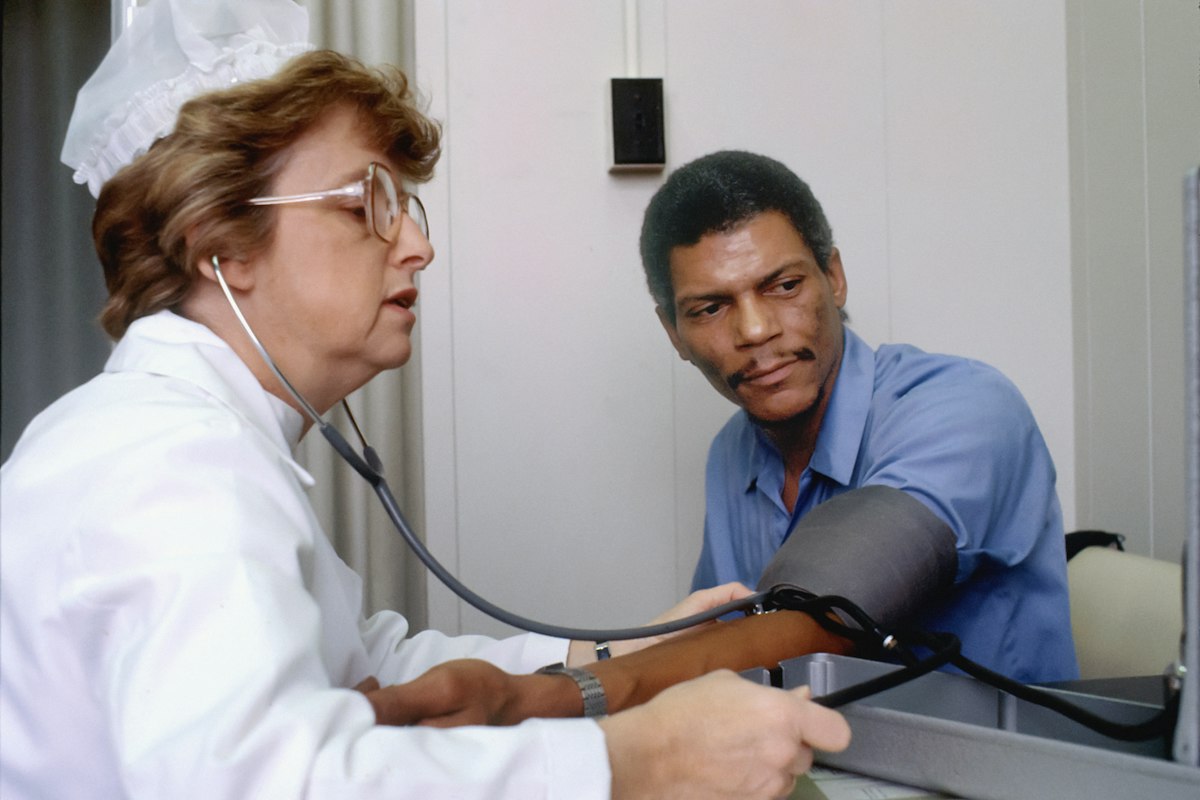
NIH News in Health · Source article Health Capsule More than 1 out of 3 older adults in the U.S. have chronic low back pain. Pain is considered chronic when it lasts more than three months. Some find relief with pain medications or physical therapy. But others need more options. A new study looked at how much acupuncture might help older adults with chronic back pain. Acupuncture uses thin metal needles to stimulate specific points on the body. Studies have shown it can help with different types of pain. Researchers enrolled 800 adults ages 65 or older with chronic low back pain. Participants were divided into three groups. Each received treatment for 12 weeks. One group had access to standard medical care alone. This included options for medicine and physical therapy. Another group had access to standard care plus eight to 15 sessions of acupuncture. The last group received standard care options plus enhanced acupuncture—with an additional four to six sessions of acupuncture. The two groups who received acupuncture had less back pain than those offered standard care alone. The acupuncture groups also reported improved physical function after six months. After 12 months, they had less disability from pain and fewer anxiety symptoms. Nondrug pain relief options could be especially helpful for older adults who already take several medications. “Acupuncture offers a less invasive option that has a better safety profile than a lot of the common treatments for back pain in older adults,” says Dr. Lynn DeBar of Kaiser Permanente. Source: NIH News in Health. Originally published January 2026. Republished by Graymedy on 11 October 2026. This is a sourced NIH article, not a Graymedy interview or original study. Read the original article and its research references. NIH News in Health permits republication of its articles and illustrations with acknowledgement. Research findings retain their original study context. Further reading and research references Complementary Health Approaches for Pain Relief Managing Pain: Moving Beyond Opioids Pain Back Pain Chronic Pain and Complementary Health Approaches Acupuncture: Effectiveness and Safety Acupuncture for chronic low back pain in older adults: A randomized clinical trial. Illustrative archival photograph: National Cancer Institute / Unsplash, used under the Unsplash License. The people or equipment shown are not identified as participants in the research or interviews described here.
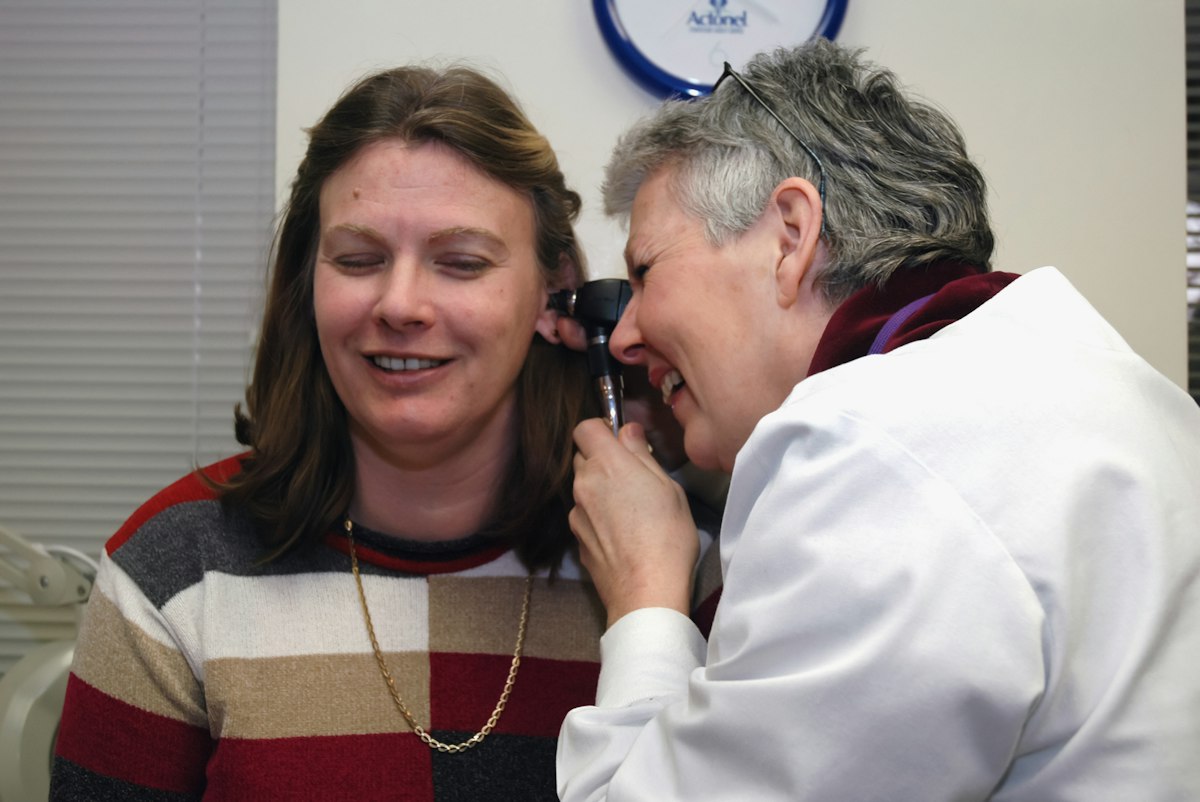
NIH News in Health · Source article After you eat, your stomach breaks down the food before pushing it along. How long it takes for your stomach to empty depends on many factors. Meals that are big, fatty, or high in calories will empty more slowly, but it also depends on your health. Some people have a condition that makes food empty slower than it should. It’s called gastroparesis. Gastroparesis isn’t common. But about 1 in 4 people have symptoms similar to those of people with gastroparesis. The only way to know if a person has gastroparesis is to measure how fast the stomach empties. “Patients don’t come in telling you they have a gastric delay,” says Dr. Braden Kuo, chief of gastroenterology at Columbia University and New York Presbyterian. “They come with symptoms.” Those symptoms may include nausea or vomiting, feeling full quickly, and belly pain or discomfort. To diagnose gastroparesis, doctors must rule out other causes, such as a blockage, ulcers, or inflammation, Kuo explains. “When all those other tests come back negative and the patient still has complaints, then it raises the possibility of gastroparesis,” Kuo says. Most cases of gastroparesis are idiopathic. That means they happen for unknown reasons. But certain conditions can damage the nerves involved in gut sensations or gut motility. Uncontrolled diabetes is the most common known cause. High blood sugar can damage nerves, including the vagus nerve. The vagus nerve sends signals between the brain and gut that tell your stomach muscles to contract or relax. They also give you the feeling of fullness after a meal. Certain autoimmune diseases and nerve damage from viral illnesses can slow digestion, too. “Many people get sick during a viral illness with gastrointestinal upset and most people recover within a couple of days or a week,” Kuo says. “But some people never fully recover from nausea, vomiting, pain, or discomfort. So the virus somehow changed the nerve endings in the gut and how they function and sense things.” To better understand and treat gastroparesis, NIH created the Gastroparesis Clinical Research Consortium (GpCRC). For the last 17 years, the GpCRC has enrolled adults and children with gastroparesis to learn more about the disorder and test ways of treating it. One GpCRC study showed that 9 in 10 people with gastroparesis have abdominal pain. In about 1 in 3, the pain was severe to very severe. Other studies looked at how often people with gastroparesis end up in the emergency room. Kuo, who is a member of the consortium, mentions studies of tissue samples capturing the whole stomach wall. “We’re really beginning to identify the changes at the cell level, in the nerve endings, and at the inflammatory level that are contributing to these patients’ conditions,” he says. Researchers are tracking patients over time to see how their symptoms change. Kuo is studying the role of the gut-brain connection and whether a type of talk therapy, called cognitive behavioral therapy, may improve symptoms. This approach helps patients better understand their condition and its connection to the brain. It teaches techniques to relax the vagus nerve. Patients also learn to overcome the fears of eating that often come with gastroparesis. The trial is currently enrolling patients. “We’re giving them tools they can control that can make a big difference in their clinical outcome,” Kuo says. Source: NIH News in Health. Originally published December 2025. Republished by Graymedy on 11 October 2026. This is a sourced NIH article, not a Graymedy interview or original study. Read the original article and its research references. NIH News in Health permits republication of its articles and illustrations with acknowledgement. Research findings retain their original study context. Further reading and research references Your Digestive System & How it Works Gastroparesis How Does Gastroparesis Affect People with Diabetes? Abdominal pain in patients with gastroparesis: Associations with gastroparesis symptoms, etiology of gastroparesis, gastric emptying, somatization, and quality of life. Characterization of patients with symptoms of gastroparesis having frequent emergency department visits and hospitalizations. Cellular changes in diabetic and idiopathic gastroparesis. Illustrative archival photograph: National Cancer Institute / Unsplash, used under the Unsplash License. The people or equipment shown are not identified as participants in the research or interviews described here.
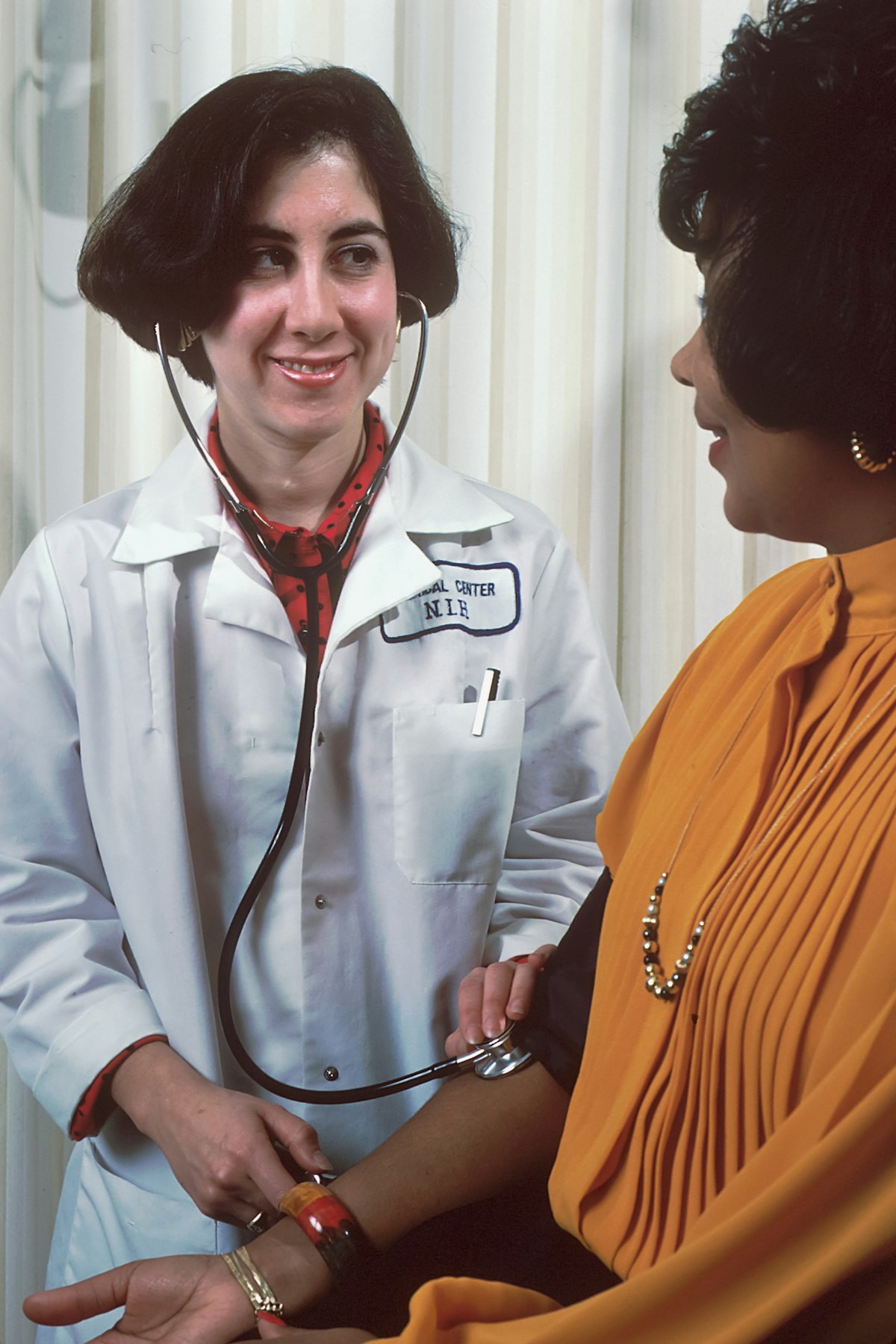
NIH News in Health · Source article Health Capsule Pink eye, or conjunctivitis, causes swelling and redness inside your eyelid and the white part of your eye. Your eye may also feel itchy and painful. The condition is common and can sometimes spread very easily. Anyone can get pink eye. It’s usually caused by a virus or bacteria. You can also get it from allergies irritating your eyes. Symptoms include pain in your eye, a very red eye, and a lot of fluid coming from your eye. You may also notice blurred vision or light sensitivity. Pink eye can cause serious health problems for newborn babies. Check for symptoms like puffy red eyelids and unusual fluid discharge from your baby’s eye. Call a doctor immediately if you see these symptoms. If you have symptoms of pink eye, talk with your doctor. Usually, it gets better on its own in about 7 to 10 days. But you might need treatment. The best way to prevent pink eye is good hygiene. Wash your hands often with soap and water, especially if you’re around someone with pink eye. And be sure to have clean hands before touching your eyes. Don’t share personal items, like makeup, towels, eyeglasses, or pillows, with someone who has pink eye. Learn more about pink eye. Source: NIH News in Health. Originally published December 2025. Republished by Graymedy on 11 October 2026. This is a sourced NIH article, not a Graymedy interview or original study. Read the original article and its research references. NIH News in Health permits republication of its articles and illustrations with acknowledgement. Research findings retain their original study context. Further reading and research references Pink Eye Pink Eye in Newborns Other Types of Corneal Disease Illustrative archival photograph: National Cancer Institute / Unsplash, used under the Unsplash License. The people or equipment shown are not identified as participants in the research or interviews described here.

NIH News in Health · Source article Headaches come in many forms. Where you feel the pain, what other symptoms you have, and how long headaches last can vary. For many people, headaches are an occasional nuisance. For others, they can be chronic and disabling. Some headaches can be prevented with small lifestyle changes. Drinking enough water, avoiding headache triggers, managing stress, or improving sleep can sometimes be enough. Other headaches may require more intensive interventions. NIH researchers are working to develop more options for people who aren’t helped by current treatments. Types of Headaches There are many types of headaches. Understanding the type you’re having can help you find the right treatment. The most common is called a tension-type headache. These are often triggered by stress, which causes muscles in the neck, face, scalp, and jaw to tighten. Lack of sleep, dehydration, and poor posture can also lead to a tension-type headache. The pain from a tension-type headache is usually mild to moderate and can be felt on both sides of the head. Some people have chronic tension-type headaches. These happen frequently and can last for hours to days, or even constantly. “We define chronic headache as having more than 15 headache days per month. So, more days with headache than not,” says Dr. Michael Oshinsky, a pain expert at NIH. Other common headaches are those caused by migraine. Migraine isn’t just a headache. It’s a complex brain condition. Migraine headaches often occur on one side of the head. But they can also be on both sides. Migraine attacks can include nausea, vomiting, mood changes, extreme tiredness, and sensitivity to light, noise, and smells. Attacks can last for hours to days. “Migraine is a disorder where the ‘volume knob’ of the nervous system has been turned up,” explains Dr. K.C. Brennan, a migraine researcher at the University of Utah. “In people with chronic migraine, it stays turned up.” There are many other types of headaches. One that causes extremely painful, sudden attacks is the cluster headache. These attacks can happen around the same time each day or every other day for several weeks. Some people, such as combat veterans, live with post-traumatic headaches. These are headaches that linger after a traumatic brain injury or a concussion. They can last long after the injury is healed. Other, rarer types of headaches can be caused by nerve problems in the head area. Headaches can also be caused by other health conditions. Brain injury, stroke, seizures, infections, high blood pressure, and other conditions can all lead to headaches. These are called secondary headaches. If you have headaches that disrupt your daily life, talk with your doctor. They can help you find relief or refer you to a specialist. Some headaches may indicate a dangerous medical problem that needs immediate medical attention. See the Wise Choices box for signs to look for. Trying Treatments You can help take control of your headaches by keeping a headache diary. Track your symptoms, how often they happen, and what alleviates them. “For at least a month, just note down when you have a headache, how you treated it, how long it lasted,” Oshinsky says. You can also include facts like foods or drinks consumed, sleep patterns, stress levels, and changes in daily routines. This can help you identify what might have triggered the headaches so you can work to avoid them. Sharing your diary with your doctor can help them better understand the type of headaches you’re having and suggest a treatment plan. Over-the-counter pain relievers can help some people with occasional headache pain. Others may need to try prescription drugs. But frequently taking painkillers for headaches may make things worse, Oshinsky explains. “If you use painkillers more than three or four times a week, once the drug is out of your system you can get a rebound headache,” he says. People with frequent or chronic headaches can try preventive treatments. These stop headaches from starting, rather than dulling the pain once they start. For example, a type of medication called CGRP drugs helps many people with migraine have fewer attacks. But the available preventive treatments don’t work for everyone. Researchers are looking for other ways to stop headaches from forming. Brennan’s team is studying a compound called glutamate. Glutamate is important for normal brain function and helps nerve cells communicate. But Brennan’s team has found that it may sometimes also play a role in triggering migraines. “We need to figure out how this unusual glutamate activity works, in what brain cell type, and under what conditions, in order to develop a more tailored approach to migraine treatment,” he says. Other treatments for headaches don’t involve drugs at all. Some people get relief with a type of talk therapy called cognitive-behavioral therapy, or CBT. This includes learning coping strategies and ways to think differently about pain. “There are changes in the brain after doing CBT, just like there are changes in the brain after using medications,” says Dr. Hadas Nahman-Averbuch, who studies migraine pain at Washington University in St. Louis. Other people find relief using mind-body techniques such as mindfulness practice or biofeedback, she adds. Small Heads, Big Aches Headaches are common in kids, too. Often, headaches in children and teens can be treated by drinking more water, having a healthier diet, getting enough activity, and solving sleep problems. Always talk to a doctor before giving headache medicines to a child. Sometimes, it can be difficult to figure out what kind of pain a child is feeling. “A very young child with a migraine headache will often point to their stomach first and say, ‘my stomach hurts,’” Oshinsky says. Migraine headaches often run in families. So parents who live with these headaches may want to be on the lookout for them in their kids, Oshinsky adds. Puberty can trigger new or worsening migraine headaches in teens, especially girls, says Nahman-Averbuch. She and her team are studying how hormone changes may affect migraine pain. They want to develop tests to predict which teens at risk of migraine will develop headaches during puberty. “If we can predict who will develop migraine, then maybe we can do something to prevent that from happening,” Nahman-Averbuch says. Regardless of your age, it may take time to figure out the best treatment for your headache pain. Your health care team can help you find what works. “We have lots of tools at our disposal now,” Brennan says, “and we’re developing more.” Read our Q&A with Dr. K.C. Brennan to learn more about understanding and treating migraine. Source: NIH News in Health. Originally published September 2025. Republished by Graymedy on 11 October 2026. This is a sourced NIH article, not a Graymedy interview or original study. Read the original article and its research references. NIH News in Health permits republication of its articles and illustrations with acknowledgement. Research findings retain their original study context. Further reading and research references Q&A: Dr. K.C. Brennan on Understanding and Treating Migraine Mindfulness for Your Health: The Benefits of Living Moment by Moment Good Sleep for Good Health: Get the Rest You Need Feeling Stressed? Ways to Improve Your Well-Being Caring for Concussions: More Than a Bump on the Head Headache Headaches: What You Need to Know Migraine Neurological Diagnostic Tests and Procedures NIH Pain Consortium Non-canonical glutamate signaling in a genetic model of migraine with aura. Alterations in brain function after cognitive behavioral therapy for migraine in children and adolescents. Androgen levels and experimental pain sensitivity in healthy young adolescent girls. Illustrative archival photograph: National Cancer Institute / Unsplash, used under the Unsplash License. The people or equipment shown are not identified as participants in the research or interviews described here.

NIH News in Health · Source article Health Capsule A condition called Barrett’s esophagus affects about 5% of adults nationwide. It causes the lining of the esophagus, the tube that carries food from your mouth to your stomach, to change. This raises the risk for getting cancer of the esophagus. Doctors don’t yet know what causes Barrett’s esophagus. But some people are at increased risk. The condition is more common in the U.S. than in other countries. People are more likely to have it if they are age 50 or older. Tobacco use raises the risk. So does excess weight around the waist. Barrett’s esophagus itself has no symptoms. But many people with the condition also have gastroesophageal reflux disease (GERD). Symptoms of GERD can include heartburn, chest pain, or nausea. Some people with GERD have problems swallowing. Doctors usually diagnose Barrett’s esophagus by using endoscopy. Endoscopy uses a small flexible tube to see inside the body. Barrett’s esophagus is often treated by using the same medications used to treat GERD. Other treatment options can include surgery. If you have GERD, managing your symptoms can help reduce damage to the esophagus. Your doctor may recommend dietary or other lifestyle changes. Learn more about Barrett’s esophagus. Source: NIH News in Health. Originally published September 2025. Republished by Graymedy on 11 October 2026. This is a sourced NIH article, not a Graymedy interview or original study. Read the original article and its research references. NIH News in Health permits republication of its articles and illustrations with acknowledgement. Research findings retain their original study context. Further reading and research references Barrett’s Esophagus Acid Reflux in Adults Acid Reflux in Infants Digestive Diseases Esophageal Cancer Screening Illustrative archival photograph: National Cancer Institute / Unsplash, used under the Unsplash License. The people or equipment shown are not identified as participants in the research or interviews described here.
NIH News in Health · Source article Kids often struggle to pay attention or have too much energy. If these difficulties last a long time and cause problems in multiple situations, they might be signs of attention-deficit/hyperactivity disorder, or ADHD. ADHD makes it harder to learn and get things done. Researchers are finding new ways to help kids with ADHD—and their parents—gain skills to better manage symptoms. Some kids with ADHD struggle with paying attention. This makes it tough to complete tasks and stay focused in class or conversations. Other kids may show hyperactivity or impulsivity, so they move around and talk a lot. Some kids have both types of symptoms. Symptoms can change over time and follow people into adulthood. “ADHD can be a lifelong disorder,” explains Dr. Lauren Friedman, a psychologist at Arizona State University. “But it can look a little different in adults.” For example, adults with ADHD might feel very restless during a meeting, even if they don’t leave their seat like a kid might. ADHD can be tough to diagnose because other conditions have similar symptoms. “If someone is anxious, they’re going to have worried thoughts that distract them,” Friedman says. “Depression or a learning disability can also cause difficulty paying attention.” Seeing a doctor is the first step. A medical exam can rule out other causes of symptoms. But diagnosing ADHD is a process. It can also involve seeing specialists, like mental health professionals, and interviews with family members and teachers. An ADHD diagnosis requires that symptoms persist over time and occur in multiple settings—not only at school or at home. ADHD treatment includes medications, different types of therapy, or both. Medications may help some kids control behaviors that disrupt their daily life, but they can also have side effects. Therapy teaches skills for managing symptoms and creating routines to support daily life. Parents of kids with ADHD can also take behavior management training. This teaches parents how to better help their children. Because genes influence ADHD, many families have both a parent and a child with the condition. Parents’ symptoms can make it hard for them to use the strategies they learn from behavior management training to help their kids. Friedman is studying how to better support those families. In Friedman’s study, parents with ADHD learn how to assist their kids through standard behavior management training. But the parents also learn skills to help them manage their own symptoms. “We give parents skills to help with organization and time management to make it more likely they’ll be able to use the strategies that they learn for their kids effectively and consistently,” Friedman says. Her study is also testing a smartphone app that reminds parents to use the skills they are learning. The app sends customized reminders when they are most needed. For example, “if mornings are really hectic and they’re forgetting to use their skills at that time, we can push reminders to parents in the morning,” Friedman says. With the right support, children with ADHD can better manage symptoms and are more likely to reach their goals. See the Wise Choices box for strategies parents can use to help kids with ADHD. Source: NIH News in Health. Originally published September 2026. Republished by Graymedy on 11 October 2026. This is a sourced NIH article, not a Graymedy interview or original study. Read the original article and its research references. NIH News in Health permits republication of its articles and illustrations with acknowledgement. Research findings retain their original study context. Further reading and research references What is ADHD? Focusing on ADHD: Attention-Deficit/Hyperactivity Disorder Attention-Deficit/Hyperactivity Disorder Attention-Deficit /Hyperactivity Disorder (CDC) ADHD in Adults (CDC) Illustrative archival photograph: National Cancer Institute / Unsplash, used under the Unsplash License. The people or equipment shown are not identified as participants in the research or interviews described here.
NIH News in Health · Source article Puberty is a normal, natural part of growing up. It’s also a time of huge change, when children’s bodies mature. With Substances produced in one part of the body to signal another part to react a certain way. hormones surging, early adolescents may have mood, energy, and sleep changes. They may feel self-conscious about how they look. Everyone matures physically at their own pace. While there is a normal age range of 8 to 13 for girls and 9 to 14 for boys, some children may start developing earlier or later. Parents can help their children navigate puberty by being available and supportive, says Dr. Jennifer Pfeifer, a developmental psychologist at the University of Oregon. “Talking positively about how our bodies and minds change during puberty can reassure young people that this is normal,” Pfeifer says. “It can also open the lines of communication.” Children who go through puberty early may develop health problems. NIH researchers are looking into what contributes to early-onset puberty, so they can better understand how to prevent it. How Puberty Starts Puberty kicks off in the brain. A small part of the brain called the hypothalamus releases a hormone that tells the pituitary gland (a tiny organ connected to the hypothalamus) to release other hormones. These hormones signal the ovaries to release estrogen in females and the testicles to release testosterone in males. Together, this reproductive network is called the hypothalamic-pituitary-gonadal (HPG) axis. Meanwhile, the small organs that lie above the kidneys, called adrenal glands, also release steroid hormones that trigger physical changes. Parents can usually tell when their children are starting puberty. Both girls and boys will develop pubic and armpit hair and sweat more, which can create acne and body odor. Girls start to develop breasts, which can happen a few years before their period begins. In boys, their genitals start to grow, and their testicles and penises get bigger. They may also start to have wet dreams at night. This is when they release semen while they are asleep. Boys also begin to develop muscle mass, their shoulders broaden, and their voices deepen. Growth spurts are a typical part of puberty. Girls tend to reach their full height by their early teens. Boys reach that milestone a few years later. The brain develops rapidly during puberty. Changes to brain regions that handle social behavior can lead teens to focus more on peer relationships and social experiences. How adolescents view themselves during puberty also matters, says Pfeifer. “Girls, especially, see that their bodies are changing and are aware that others see that too. That affects how they feel about themselves,” she explains. Pfeifer has been studying how puberty affects mental health. She’s found that depressive symptoms increase in teenage girls. These symptoms include feeling less happy and more lonely, being easily irritated, not eating as much, and showing signs of social withdrawal. Signs of social withdrawal can include pulling away from friends and family due to loss of interest or energy to connect. Puberty Timing In some children, puberty starts earlier than others. This is called early (or precocious) puberty. The signs of early puberty are that girls’ breasts may start to develop before age 8, and their periods may begin before age 10. Boys’ genitals may start to grow before age 9. Early puberty can increase the risk of type 2 diabetes and heart disease. Girls are more likely to develop depression and anxiety when they start puberty early. They also have increased chances of developing breast cancer later in life. Some studies suggest that boys may also be at increased risk for anxiety and depression when they start puberty early. But more research is still needed to understand how early puberty affects boys’ mental health. Children who start and finish puberty earlier than normal may also not reach their full height potential. Given the risks related to early puberty, especially in girls, their doctor may recommend medications that can stop the release of sex hormones until the normal age. What Influences Puberty The timing of puberty is influenced by many things, including your genetic make-up and your environment. NIH-funded researchers have been identifying specific gene changes, called mutations, that can trigger early puberty. MKRN3 mutations are considered the most common known genetic cause of early puberty. The mutations tend to run in families. The MKRN3 gene provides instructions for making the MKRN3 protein. This protein plays a role in directing the onset of puberty. Normally, the MKRN3 protein puts the brake on activating puberty until the normal age range. But when the gene is mutated, the protein stops working normally. That causes the brake to be released and puberty to start earlier. “We’re trying to understand how the MKRN3 protein works, so we can better prevent early puberty,” says Dr. Ursula Kaiser, who specializes in treating hormone disorders at Brigham and Women’s Hospital. “If we can identify people with a higher risk of early puberty through genetic screening of MKRN3 mutations, we can start treatment earlier.” Environmental factors can also affect the timing of puberty. “Stress can speed up or delay puberty depending on the type, severity, and timing,” says Dr. Natalie Shaw, an NIH expert on hormones in children and adolescents. Being overweight or obese in childhood can contribute to early puberty. Extra body fat can cause hormonal changes that can prompt puberty to start earlier. Certain chemicals may interfere with the body’s hormones and lead to early puberty. Shaw and other researchers searched through thousands of chemicals for ones that might activate hormones. They found that a fragrance ingredient called musk ambrette had noticeable effects on zebrafish. Musk ambrette is commonly used in perfumes, lotions, soap, and detergent. “More research is needed to confirm our findings,” says Shaw. “But this raises the possibility that exposure could activate the reproductive axis early in children.” Researchers are continuing to search for ways to identify and prevent early puberty. If you think your child is starting puberty earlier than normal, talk with your child’s doctor about the options. Puberty is an exciting and often challenging time for teens and their parents. There are many ways parents can support their child during this period. See the Wise Choices box for tips. Source: NIH News in Health. Originally published August 2026. Republished by Graymedy on 11 October 2026. This is a sourced NIH article, not a Graymedy interview or original study. Read the original article and its research references. NIH News in Health permits republication of its articles and illustrations with acknowledgement. Research findings retain their original study context. Further reading and research references Parenting Teens: Guiding Kids Through Turbulent Years Positive Parenting: Building Healthy Relationships With Your Kids Probing Personal Care Products: Look Out for Harmful Ingredients Acne Breakouts: Controlling Problem Pimples Period Problems: Fibroids, Endometriosis, and Other Issues The Power of Peers: Who Influences Your Health? Puberty and Precocious Puberty Menstruation and Menstrual Problems The Teen Brain: 7 Things to Know Endocrine Disruptors Brain Basics: Understanding Sleep Adolescent Development Explained (HHS) Environmental factors trigger pubertal development Identification of environmental compounds that may trigger early female puberty by activating human GnRHR and KISS1R. Genetic and epigenetic contributions to central precocious puberty MKRN3 inhibits puberty onset via interaction with IGF2BP1 and regulation of hypothalamic plasticity Directionality of longitudinal associations between frontostriatal structural connectivity and depressive symptoms in adolescent girls Associations between multi-method latent factors of puberty and brain structure in adolescent girls. Puberty initiates cascading relationships between neurodevelopmental, social, and internalizing processes across adolescence Illustrative archival photograph: National Cancer Institute / Unsplash, used under the Unsplash License. The people or equipment shown are not identified as participants in the research or interviews described here.