- Home
- Clinical Care
- Navigating Grief
Navigating Grief
NIH NEWS IN HEALTH
NIH News in Health · Source article
Grief is something we all go through. It can follow the death of someone you love, the end of a relationship, or another major loss or life change. While experiencing grief is normal and natural, it can still feel hard to understand. Researchers are working to learn more about how people grieve and what helps people move through it.
“Grief is a natural response to losing someone or something we are deeply attached to,” says Dr. Wendy Lichtenthal, a clinical psychologist at the University of Miami Health System. “We are wired for connection, so when we lose someone central to our lives, we often respond with distress and longing.”
The Myth of ‘Stages’
Many people expect grief to follow a set path. They wait to move through stages of sadness, then anger, then acceptance. But researchers say that grief is not a straight line.
“There’s no wrong way to grieve,” says Dr. Sarah Stahl, an associate professor of psychiatry at the University of Pittsburgh. “Everyone grieves differently. There’s no timeline.”
Grief looks different for everyone. It can bring sadness, anger, or a loss of meaning in life. Some people cry often. Others feel numb, restless, or even guilty. These are all normal responses.
“One of the things that can make grief harder is when people believe they are grieving the wrong way, or should be ‘further along,’” says Lichtenthal. Her research focuses on meaning-centered grief therapy for parents who have lost a child. “We help people recognize and shift the meanings they are making about their grief, their loss, and themselves, while also strengthening their sense of meaning in life by connecting them with things that matter most to them.”
In early findings, parents who went through the therapy reported a stronger sense of meaning in life and sense of connection to the child they lost. Lichtenthal says, “It’s not about moving on, but about learning to coexist with grief while finding ways to stay connected to the person who died and engaged in life.”
The Body’s Response
Grief doesn’t just affect your emotions. It can take a toll on your body. Physical symptoms can include headaches, loss of appetite, fatigue, dizziness, and trouble sleeping.
Older adults who lose a spouse face unique challenges. They may be dealing with changes in their own health challenges and are more likely to feel socially isolated, which can make grieving harder.
Stahl’s study helped older grieving adults rebuild regular routines around sleep, meals, and physical activity. These three healthy habits are often disrupted after a loved one dies. The online program provided daily digital check-ins and health coaching. Even without in-person contact, participants showed real improvements in their depression and anxiety symptoms.
“Focusing on simple, healthy routines is very empowering,” Stahl says. “It helps people work through their grief by taking care of themselves.”
Sleep plays an important role in healing. It supports brain health and helps people process emotions and memories. Stahl’s research suggests that rebuilding healthy sleep habits may be one of the most important things a grieving person can do for their health and well-being.
Feeling Stuck
Most people adapt to loss over time. But some people get stuck in their grief for much longer. They can develop a condition called Prolonged Grief Disorder, or PGD.
People with PGD feel intense grief for more than a year after a loss. They may think constantly about the person who died, feel unable to connect with others, or believe the future holds nothing for them. Unlike normal grief, these feelings do not ease with time and can make it difficult to get through the day.
Dr. Holly Prigerson, a social scientist at Weill Cornell Medicine, spent years working to get PGD formally recognized. Her research showed that this form of grief is distinct from depression and requires its own approach to care.
“Before PGD was formally recognized, many grieving people were misunderstood or misdiagnosed,” Prigerson says. “We didn’t invent a new problem. We gave a name to something people have been struggling with for centuries.”
Risk factors for PGD include losing someone who was central to your identity, a history of depression or anxiety, social isolation, financial hardship, and sudden or traumatic loss. Parents who lose a child and isolated older spouses also face higher risk.
“The term ‘prolonged grief disorder’ doesn’t mean that grief that continues beyond one year is, by itself, a disorder,” says Lichtenthal. “The concern is when grief remains so intense, persistent, and disruptive that a person feels unable to re-engage with life.”
What Can Help
There are many things you can do to support healthy grieving for yourself and others. One of the most important is to give yourself or your loved one permission to grieve. Trying to push grief away often makes it harder, not better.
Being flexible in how to cope also matters. There is no one strategy that works for everyone or every moment. Sometimes talking helps. Sometimes a walk, a regular routine, or quiet time is what you need. Try different things, notice what helps. If it’s not, be willing to try something else.
When supporting someone who is grieving, let them know you are there for them. Keep checking in. Respectfully acknowledge their loss and show empathy. Use phrases like, “I know I can’t fully understand what you’re going through, but I’m here for you.” Avoid phrases that minimize the loss, like “Everything happens for a reason.” It can be especially helpful to offer support like bringing meals, helping with errands, remembering important dates, or continuing to reach out over time, not just after the initial loss.
Prigerson’s current work focuses on social connection to help with grief. It uses an online tool to match people who are grieving with others who share similar experiences. “Sometimes the most powerful support comes from someone who has walked the same path,” Prigerson says.
Not everyone needs professional counseling for grief. Many people find their way through with the support of family, friends, faith, or other sources of connection. But if you’re feeling “stuck” after a significant loss, or if your grief is making daily life difficult, talk with your doctor or a licensed counselor who specializes in grief.
Further reading and research references
- Build Social Bonds to Protect Health: The Power of Personal Connections
- Grief, Bereavement, and Coping with Loss
- Coping with Grief and Loss
- Loneliness and Social Isolation: Tips for Staying Connected
- Coping With Traumatic Events
- End of Life Topics
- Grief (CDC)
- A micro-sociological approach to prolonged grief disorder: Identification and measurement of simpatico, a novel interpersonal risk factor.
- Enhancing & Mobilizing the POtential for Wellness & Emotional Resilience (EMPOWER) among surrogate decision-makers of ICU patients: Study protocol for a randomized controlled trial.
- Incorporating technology in research with older bereaved adults: Lessons learned from conducting an internet-based randomized controlled trial.
- Interventions for bereavement: What works, what does not, and what might.
- Meaning-centered psychotherapy for cancer caregivers study protocol of a randomized controlled trial.
- State of the science: Psychotherapeutic interventions for prolonged grief disorder.
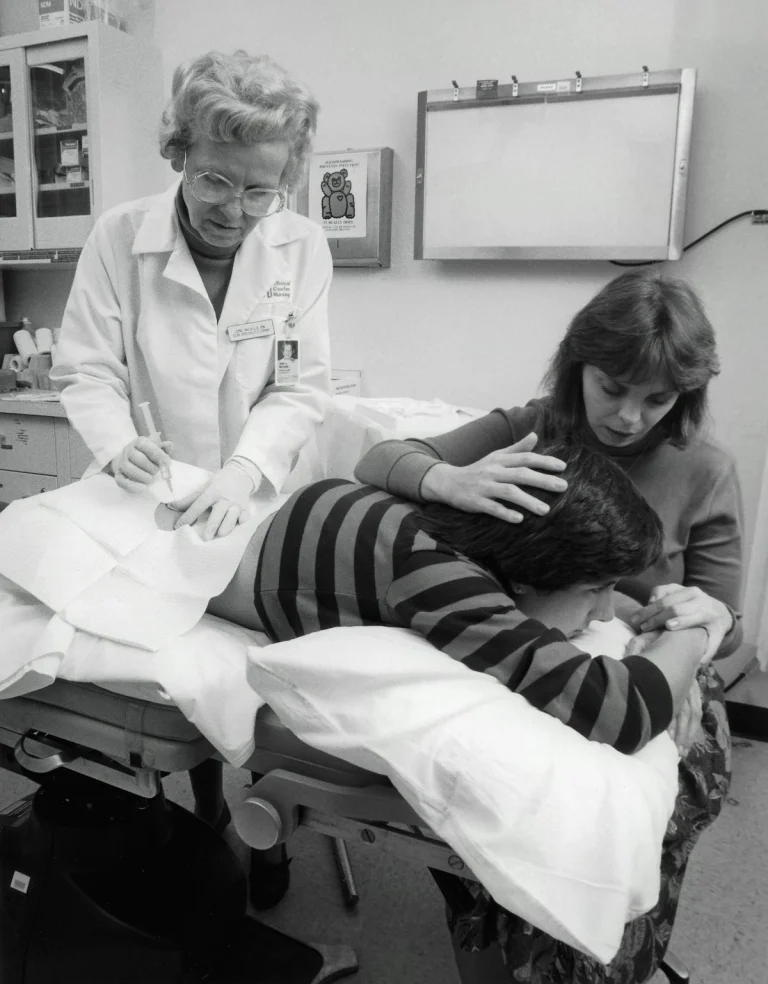
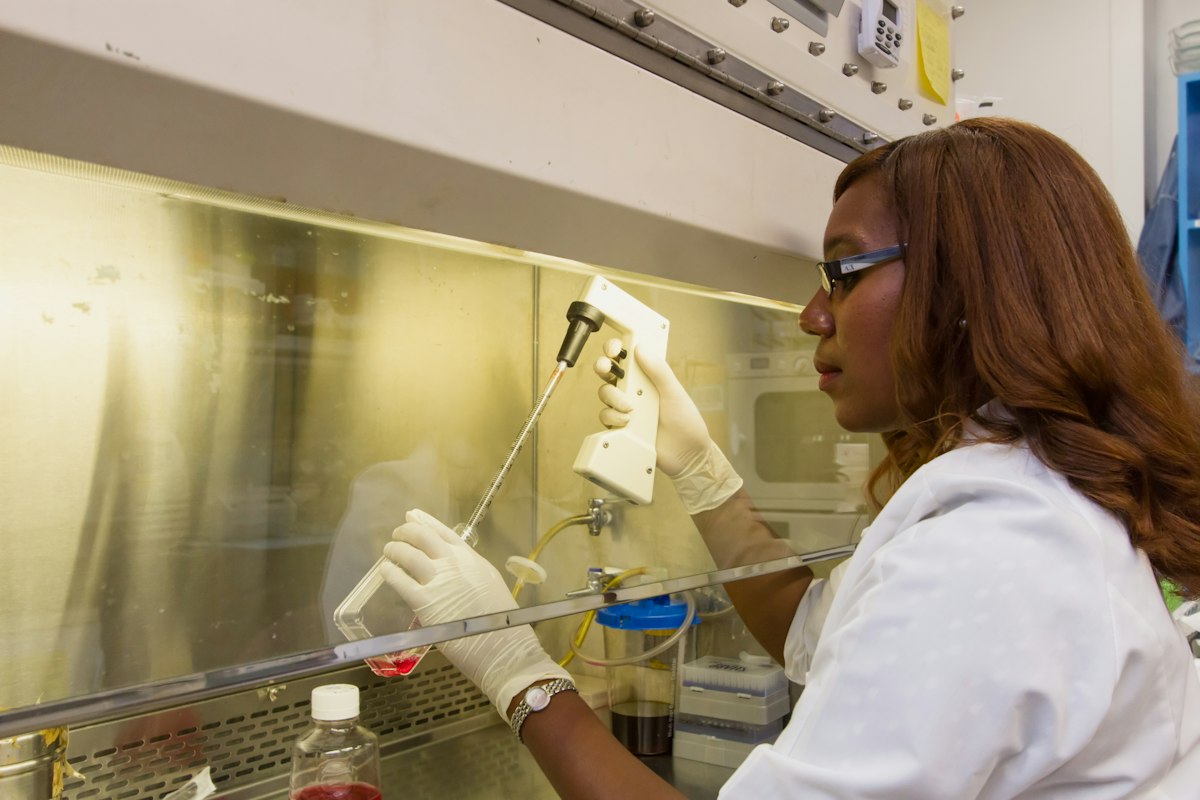
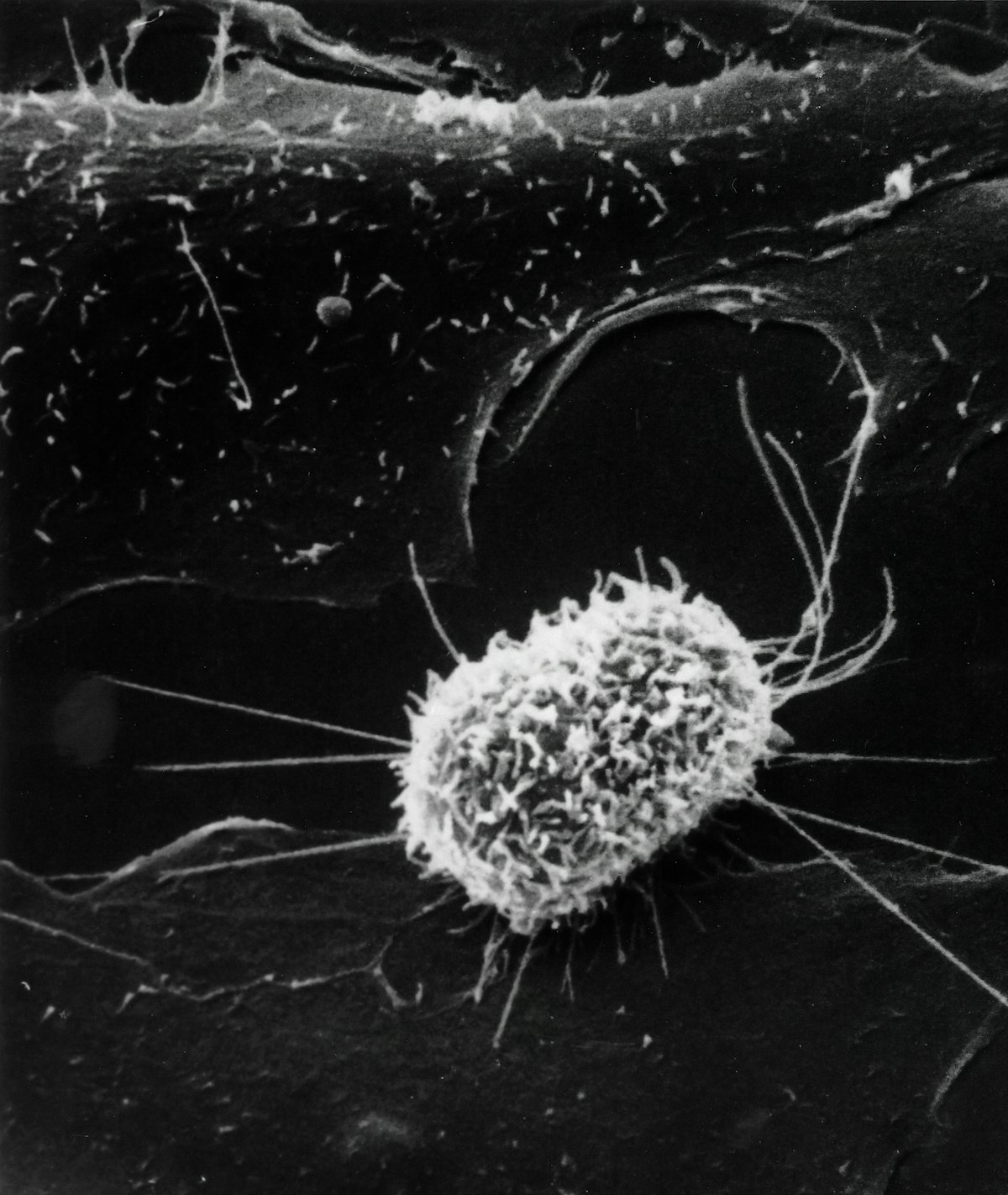
Illustrative archival photograph: National Cancer Institute / Unsplash, used under the Unsplash License. The people or equipment shown are not identified as participants in the research or interviews described here.


Clinical Care
View more
Leaving hospital after a heart event can bring relief and uncertainty together. Everyday activities may suddenly raise questions: how far to walk, when to return to work, what medicines are for and whether a new sensation is worrying. Cardiac rehabilitation provides a structured way to work through recovery with a healthcare team. The programme is more than an exercise class. It combines supervised physical activity, education about living with heart disease and support for the emotional effects of illness. The details depend on the condition, treatment received, other health problems and the services available locally. Begin with an individual assessment The National Heart, Lung, and Blood Institute describes cardiac rehabilitation as medically supervised care for people recovering from heart problems. A team designs a programme around the person's needs. After a heart attack or some forms of heart surgery, ask the treating team whether a referral is appropriate. An initial discussion should establish what you can currently do, what matters in daily life and what makes recovery difficult. Bring discharge papers and a current medicine list. Explain concerns about stairs, transport, caring responsibilities or returning to a physically demanding job. These details help turn general advice into a workable plan. Movement with a purpose Exercise training aims to help people become active safely and rebuild confidence. The NHS says rehabilitation should be tailored to age, fitness and other medical issues. That means one person's walking target or exercise session is not a prescription for everyone else. Ask how to judge the appropriate effort, which symptoms mean you should stop and whom to contact afterwards. If an activity feels difficult, tell the team rather than hiding the problem or abandoning the programme. The plan can be discussed in light of your symptoms and progress. Recovery is not a competition. A useful goal might involve walking to a nearby shop, managing household tasks or feeling less anxious about leaving home. Agree on goals with the team and ask how they will be reviewed. A written plan can make the next step easier to remember. Medicines and daily habits belong together The CDC identifies prescribed medicines, healthier eating, physical activity, smoking cessation and stress management as parts of recovery after a heart attack. Rehabilitation helps connect those recommendations with daily routines rather than treating them as unrelated instructions. Ask what each medicine is intended to do, how to obtain repeat supplies and what to do if a dose is missed. Do not stop or adjust prescribed treatment because you feel better. If cost, side effects or a complicated schedule interfere, explain the problem so the team can help find a practical solution. Making room for emotional recovery Fear of another event, low mood and worries about work or family can affect recovery. NHLBI recommends discussing feelings with the healthcare team, which may suggest counselling or a support group. Rehabilitation can provide a setting where these concerns receive attention alongside physical progress. Family members may also need guidance. With your agreement, ask whether a relative or trusted friend can join an education session. It can help them understand your activity plan, recognise the limits of their role and support your independence without guessing what is safe. Plan the transition home Recovery after heart surgery depends on the operation and overall health, according to NHLBI. Follow the surgical team's instructions about wounds, activity and follow-up. Rehabilitation should complement those instructions, with clear communication if different parts of the plan seem confusing. Consider writing down three priorities before your first session. You could ask about an activity you want to resume, a medicine instruction you do not understand and a worry you have been reluctant to mention. Bring the list to the appointment and ask which questions the programme can address directly. If you miss a session, contact the service about the next step rather than assuming your place has been lost. Recovery support works best when practical problems are visible. Before a programme ends, ask what comes next: how to continue activity, when risk factors will be reviewed and where to seek help with setbacks. Keep emergency instructions accessible. New symptoms suggesting a heart attack require immediate emergency assessment, not a wait for the next rehabilitation session. The aim is a supported return to daily life with clear decisions and realistic expectations. Sources www.nhlbi.nih.gov: recovery www.nhs.uk: recovery www.cdc.gov: heart attack.html www.nhlbi.nih.gov: recovery www.heart.org: preparing for medical visits
What a Dilated Eye Exam Can Reveal Before Vision Changes
A Toothache Is a Signal: When to Seek Dental Care

Skin Care for Every Skin Type: A Simple Guide to Healthy Habits

A mobile clinic that brought HIV prevention and addiction services to people who inject drugs was associated with fewer deaths in a US clinical trial, although it did not improve the study’s main measures of treatment use compared with peer navigation alone. Researchers say the mortality finding needs to be replicated. The randomized HPTN 094 trial, published on November 4, 2026, in JAMA Psychiatry, tested whether bringing services together in a mobile unit could help overcome barriers to care. Participants in both groups received peer navigation: support from people with relevant lived experience to help them find and use services. One group could also receive integrated services through a mobile unit, while the comparison group was navigated to existing community services. What the trial measured The researchers focused on two outcomes: use of pre-exposure prophylaxis, or PrEP, to prevent HIV, and use of medications for opioid use disorder, often called MOUD. Both can be important parts of care, but obtaining them may be difficult for people facing unstable housing, stigma, transport problems or fragmented services. The mobile service was designed to offer prevention, addiction care and navigation together. The trial compared this approach with an active alternative, rather than with no support. That distinction matters: participants in the comparison group also received structured help finding services in their communities. At the primary assessment, the mobile approach did not significantly increase either verified PrEP use or use of medications for opioid use disorder. At 52 weeks, PrEP use remained low in both groups: four of 203 people in the mobile group and four of 206 in the comparison group met the study’s criteria. Medication use at that point was also similar. A mortality signal that needs confirmation By week 52, researchers had confirmed four deaths in the mobile group and 13 in the comparison group. Their analysis estimated a lower rate of death from any cause in the mobile group. The difference was statistically significant, but the number of deaths was small and the authors called for replication. The result should therefore be read carefully. It does not establish exactly why the difference occurred, and the study did not show that the mobile service improved the two main outcomes it was designed to measure. A promising secondary finding is a reason for further research, rather than proof that every mobile clinic will produce the same benefit. The researchers also noted that verified PrEP use was low in both arms. Making a service available is only one part of making it usable: trust, privacy, continuity, affordability and practical support can all influence whether someone starts and continues care. The trial cannot by itself determine which of those factors mattered most for an individual participant. Why access still matters Integrated mobile services aim to reduce the number of separate appointments and locations a person must navigate. For health systems, the findings raise a practical question: how can treatment and prevention be delivered in ways that fit people’s lives, while maintaining continuity with the services they may need over time? Peer navigation remains central to both approaches tested. The comparison did not show that peer support was unnecessary; rather, it evaluated whether adding mobile delivery improved outcomes beyond that support. Further studies could help identify which combinations of services work best, for whom, and in which settings. People seeking HIV prevention or treatment for opioid use disorder can discuss confidential, locally available options with a qualified health professional or community service. The trial’s results describe groups of participants and should not be used to predict an individual outcome. Source: Shoptaw and colleagues, HPTN 094 randomized clinical trial, JAMA Psychiatry, 2026. Image: Regstuff / Wikimedia Commons, CC0; the pictured clinic is illustrative and was not identified as a trial site.

Trial will test pharmacist-linked symptom monitoring during cancer treatment

Why the right infection test matters before choosing treatment
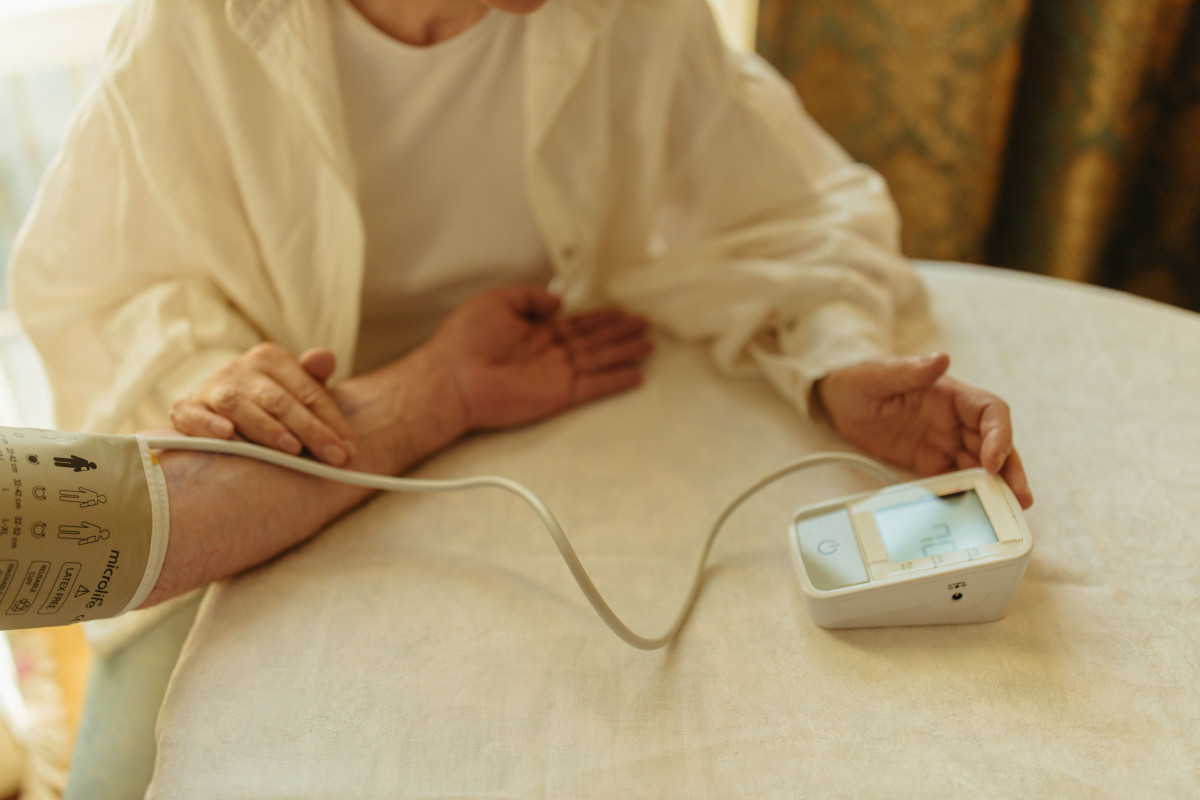
Taking blood pressure at home: small steps that make readings more useful
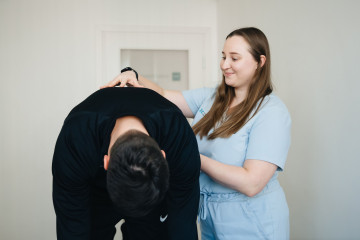
Osteoporosis can progress quietly until a fracture occurs. A bone density test can help clinicians assess risk before that happens, alongside a person’s age, medical history and other factors. Knowing when to ask about a scan can open a useful conversation about prevention and treatment. In its November 2026 guide, NIH News in Health explains that osteoporosis weakens bone and raises the chance of a break. It affects both women and men. Age, family history, certain health conditions and long-term use of some medicines can contribute to risk. Many people do not know they have osteoporosis until a bone breaks. Bone is living tissue Bone is continually renewed. When bone is lost faster than it is replaced, or when too little new bone is formed, its strength can decline. NIH notes that people generally lose bone density as they age. After menopause, lower estrogen levels can accelerate bone loss. Men can also develop osteoporosis, sometimes in association with illnesses or long-term use of medicines that affect bone. Not all fractures mean a person has osteoporosis. But a break following a minor fall or other low-trauma event is a reason to discuss bone health with a clinician. The hip, spine and wrist are common fracture sites. A prior fracture and a history of falls are among the details that can help guide an assessment. What a DXA scan can show Dual-energy X-ray absorptiometry, or DXA, measures bone mineral density. A result below the normal range but above the osteoporosis threshold may be called osteopenia. It can signal increased fracture risk, but not everyone with osteopenia will develop osteoporosis. A clinician interprets the result with clinical risk factors rather than treating a number as the whole story. A scan measures density; it cannot by itself describe every aspect of bone quality or predict with certainty who will break a bone. A fracture-risk assessment may combine the test result with information such as age and prior fractures. The clinician can explain how the result affects decisions about follow-up and whether treatment is appropriate. Who should discuss screening? NIH notes that routine screening is recommended for women aged 65 and older, while some people may need assessment earlier because of risk factors. These may include a previous fracture, falls, certain underlying conditions or long-term corticosteroid use. Recommendations and eligibility vary by country and individual circumstances. Bring a list of medicines and relevant medical history to the conversation. Ask what the test is expected to add, how the result will be interpreted, and whether there are other causes of bone loss to consider. A clinician can also discuss whether a scan is useful for men or younger people based on their individual risk. Protecting bones over time Weight-bearing activity and resistance training, adapted to a person’s abilities, can support bone health. Walking, dancing and strength exercises are examples NIH discusses. People with a fracture, osteoporosis or another medical condition should ask their care team which activities and movements are safe for them. Adequate calcium, vitamin D and protein also matter. Food can contribute to those needs, and a healthcare professional can help determine whether a supplement is appropriate. Avoiding smoking, limiting alcohol and reducing fall hazards are useful parts of a broader plan. Good lighting, clear walking paths and attention to balance or vision can be part of a fall-prevention discussion. Medicines are another option for some people at higher fracture risk. NIH describes treatments that slow bone breakdown and research into treatments that build bone. Their benefits, risks and suitability depend on the patient. A DXA result is one piece of a shared decision, not a treatment plan to interpret alone. Source: NIH News in Health, Protect Your Bone Health, November 2026. Image: physiotherapist supporting a back exercise. Illustrative photograph by Funkcinės Terapijos Centras / Pexels; it does not show a DXA scan.
Diabetes and kidney health: the checks that can find trouble early

Always Tired? What Your Fatigue Could Be Telling You