- Home
- Clinical Care
- Taking blood pressure at home: small steps that make readings more useful
Taking blood pressure at home: small steps that make readings more useful
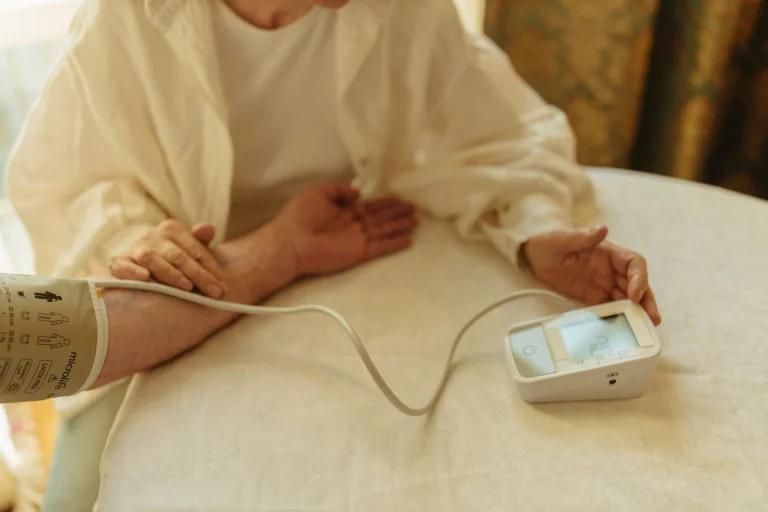
One blood pressure reading is a snapshot. A series of measurements taken carefully at home can give a clinician a clearer picture of what happens between appointments—and help a person take a more active role in their care.
High blood pressure often has no obvious symptoms. That makes measurement important, but the number on a screen can be affected by the device, the way a person sits and what happened just before the reading. A good routine makes the record more useful.
Start with the right equipment
Ask your health care team or pharmacist to help you choose a validated automatic upper-arm monitor and a cuff that fits your arm. A cuff that is too small or too large can produce misleading results. Bring the monitor to an appointment so a professional can check its use and compare it with an office measurement.
Home monitoring is useful for some people who have high readings in a clinic but lower readings elsewhere, sometimes called white-coat hypertension. It can also help the care team follow a treatment plan. It does not replace professional assessment or establish a diagnosis on its own.
Make a calm space for the reading
The Centers for Disease Control and Prevention recommends avoiding food and drink for 30 minutes before measuring, emptying your bladder and sitting quietly for at least five minutes. Avoid smoking and exercise in the half hour beforehand. Choose a chair with back support and place both feet flat on the floor, with legs uncrossed.
Place the cuff on a bare upper arm, following the monitor’s instructions. Support the arm on a table at chest height. Stay still and do not talk while the machine measures. These details may seem minor, but posture, conversation and recent activity can change a reading.
Look for a pattern, not a single number
Measure at the same time each day according to the plan you agree with your clinician. The CDC advises taking at least two readings one or two minutes apart. Record both numbers, the time and any context your care team asks for, such as a missed dose or unusual symptoms. A paper log or a reliable digital record can work.
Blood pressure naturally varies during the day. An unexpected reading can be unsettling, but a single result is only part of the picture. If a reading seems unusual, sit quietly and repeat it as directed by your clinician, then share the record. Ask what range is expected for you and whom to contact if results remain above or below your agreed range.
Do not stop or change prescribed blood pressure medicines on the basis of home readings without speaking to the prescriber. If the device is difficult to use or the cuff is uncomfortable, ask for a demonstration rather than abandoning the routine.
Know when to seek urgent help
A very high reading accompanied by symptoms such as chest pain, shortness of breath, weakness, difficulty speaking or a change in vision can be an emergency. Seek emergency medical help immediately. For an extremely high reading without symptoms, repeat it and contact a health professional promptly for guidance; do not wait for a routine appointment. Local emergency numbers and clinical advice vary by location.
A useful home record is not about achieving a perfect number every time. It is about measuring consistently, sharing the results and making decisions together with a qualified health professional.
Sources: CDC: Measuring Your Blood Pressure; American Heart Association scientific statement on blood pressure measurement.
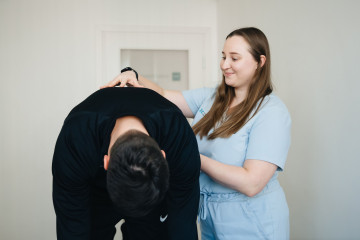
Photo: Yaroslav Shuraev / Pexels. Illustrative photograph.



Clinical Care
View more
When someone has an infection, choosing the right treatment can depend on more than identifying symptoms. A laboratory test can help clinicians find the cause and, in some circumstances, determine which medicines are likely to work. On 16 November, the World Health Organization published an essential package of diagnostic tests for bacterial and fungal infections and antimicrobial resistance. It sets out a prioritized range of tests for different levels of care, from primary care to referral hospitals. The package includes rapid tests, microscopy, culture, serology and molecular methods. Some tests help identify an organism; antimicrobial susceptibility testing can help show whether a bacterium or fungus is likely to respond to particular medicines. Which test is appropriate depends on the patient, the suspected infection and the resources available. Testing also has limits. Results must be interpreted alongside the clinical picture, and not every infection requires the same test. For a seriously ill patient, a clinician may need to start treatment before results are available and adjust it later when more information arrives. WHO says access to reliable diagnostics remains uneven, particularly in low- and middle-income countries. Its package is intended to help health systems plan services and improve access to timely, quality-assured testing. During World AMR Awareness Week, the message is straightforward: better diagnosis can support better treatment decisions, while helping health systems track drug resistance. Patients should follow their clinician’s advice and ask what a test result means for their care. Source: World Health Organization, 16 November 2026.
Taking blood pressure at home: small steps that make readings more useful
Bone density and fracture risk: when to ask about a DXA scan

Diabetes and kidney health: the checks that can find trouble early

Some mornings, tiredness has an obvious explanation: a late night, a stressful week, or a child who kept waking up. But when exhaustion continues even after you have tried to rest, it can be difficult to know whether to wait it out or ask for help. Fatigue is a symptom, not a diagnosis. The most useful question is often: what else has changed, and how long has this been going on? Why you might feel tired Not getting enough sleep is one possible explanation, but it is far from the only one. Stress, low mood, pregnancy, menopause, recent illness and some medicines can all contribute. Persistent fatigue can also occur with conditions such as iron deficiency anaemia, diabetes, thyroid disorders or sleep apnoea. Other symptoms can provide clues. Someone with sleep apnoea might snore loudly or wake up gasping. A person with anaemia may also notice breathlessness or palpitations. These combinations can help a clinician decide what to investigate, but they cannot confirm a diagnosis on their own. When should you see a clinician? Make an appointment if you have been tired for a few weeks without a clear reason, if fatigue is affecting daily life, or if it comes with changes such as unexplained weight loss, mood changes or interrupted breathing during sleep. Before the appointment, note when the fatigue started, how you sleep, any other symptoms and any medicines or supplements you take. Depending on your history and examination, a clinician may suggest blood tests or further assessment. Seek emergency care for severe symptoms such as chest pain, severe difficulty breathing, fainting or new confusion. The takeaway Rest and a consistent sleep routine can help some people, but persistent fatigue deserves attention. You do not need to find the answer on your own before asking for help. Source: NHS: Tiredness and fatigue. Illustrative photograph: Ron Lach / Pexels.

Hair shedding or hair loss? What your hairbrush can and can’t tell you

For a small group with rectal cancer, immunotherapy changes the treatment conversation

After the smoke clears, wildfire survivors may still need lung-health follow-up
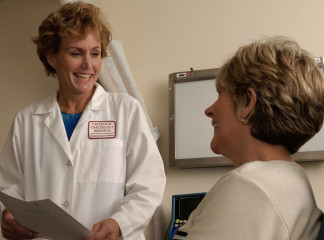
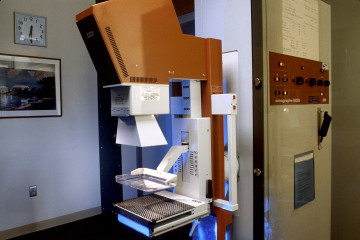
GRAYMEDY RESEARCH ANALYSIS · November 8, 2026 Before someone can weigh the benefits and burdens of research participation, they need a meaningful opportunity to consider it. A newly published national survey of U.S. women places that opportunity under scrutiny. An invitation gap Doruntina Fida, Therese A. Rajasekera, Primavera A. Spagnolo and colleagues surveyed 5,301 U.S. women aged 18–70. The peer-reviewed accepted paper appeared in Scientific Reports on November 7, 2026. The authors reported that 23% expressed definite willingness to participate and 60% answered maybe, while 11% said they had been invited and 7% had enrolled. Among respondents reporting race, the sample was predominantly White. Adjusted analyses associated lower willingness with being Black rather than White, while higher education and multimorbidity were associated with greater willingness. Respondents’ preferred information, motivations and perceived barriers also differed. These are associations within the surveyed population, rather than explanations of individual choices. Interest is not consent An expression of interest in a survey does not tell researchers whether someone would join a particular trial. A real decision depends on the intervention, uncertainty, visits, travel, childcare, costs and other personal circumstances. The maybe response is especially important: it represents a question requiring discussion rather than a commitment waiting to be activated. Graymedy’s reading is that the invitation gap deserves attention without turning willingness into a recruitment target that overrides autonomy. Improving access means giving eligible people understandable choices and enough room to decline. It does not mean assuming that everyone who is interested in research should enrol. What the design cannot resolve This was a cross-sectional online survey, not an experiment testing an invitation programme. Self-reported experience is subject to recall, and the people answering an online survey may differ from women who did not participate. The results therefore cannot establish a national causal explanation for underrepresentation. Race should not be read as a biological explanation for willingness. The study considers social and structural conditions alongside healthcare access, socioeconomic circumstances and health. A group-level result also cannot tell a clinician what an individual woman wants or why she might decline. Asking and listening remain essential. Turning a finding into a care question The authors call for evaluation of culturally responsive engagement, trust-building and approaches that reduce burden. Those are strategies to test, rather than interventions proven effective by this survey. A useful next study would measure whether changes improve informed opportunities and representation while preserving the quality of consent. At a service level, one possible audit would track eligible patients, invitations offered, invitations understood and participation decisions. Recording reasons for not being invited could reveal a different problem from recording reasons for declining. Such an audit would also need to protect privacy and avoid making research participation feel like a condition of good care. The central message is modest but consequential: low enrolment cannot automatically be equated with low interest. Research teams need to understand the route between a person’s willingness to hear more and the practical opportunity to make an informed choice. Sources and publication dates Fida et al., Scientific Reports, November 7, 2026; accepted article version Independent editorial analysis of published research; no interview or endorsement is implied. Image credit: National Cancer Institute, image 4187, circa 2006. Public domain. Original image source.

Diet during antibiotics: a transplant study puts the hospital menu under scrutiny

A clinic on wheels brings a survival signal—and a harder question about addiction care