- Home
- Professionals
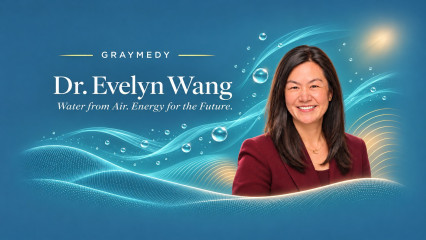
- Dr. Evelyn Wang: Turning Research on Heat and Air into Water and Energy Solutions
Dr. Evelyn Wang: Turning Research on Heat and Air into Water and Energy Solutions
MIT engineer Dr. Evelyn Wang connects research on heat transfer, atmospheric water harvesting and energy systems with practical challenges facing communities.
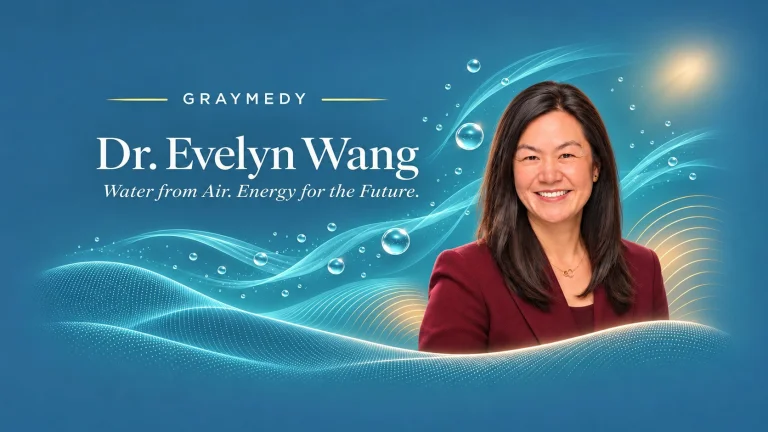
Dr. Evelyn Wang studies a resource that most people cannot see: the moisture in the air around them. As a mechanical engineer at the Massachusetts Institute of Technology, she has worked with collaborators on devices that draw water from air, including in dry environments where access to fresh water can be difficult.
Her research connects water with another everyday challenge: how to move and use heat more effectively. From cooling and energy storage to water harvesting, Wang's work applies heat and mass transfer to practical problems.
A path from engineering to research
Wang earned her undergraduate degree in mechanical engineering at MIT and completed her master's degree and doctorate at Stanford University. After postdoctoral research at Bell Laboratories, she joined the MIT faculty in 2007.
Her connection to MIT is also personal. Her parents met there as graduate students, and Wang later met her husband at the Institute. She went on to lead MIT's Department of Mechanical Engineering from 2018 to 2022, while building a research programme in energy and water technologies.
Today, Wang is the Ford Professor of Engineering and MIT's Vice President for Energy and Climate. She previously directed the United States Department of Energy's Advanced Research Projects Agency-Energy from 2023 to 2025, supporting early-stage energy research and development.
Finding water in dry air
In 2017, Wang and colleagues at MIT and the University of California, Berkeley reported a device designed to harvest atmospheric water using heat. It used a porous material called a metal-organic framework, developed by Berkeley chemist Omar Yaghi and his team, to capture water vapour. Heat helped release the captured moisture, which could then condense on a cooler surface.
In 2018, the team reported field tests of a small device in Arizona. The researchers demonstrated water collection in desert conditions using sunlight. The test was a proof of concept, producing small amounts of water; its projected output at larger scale was not a measurement from a household-sized system.
Later work investigated a two-stage design that reused heat to improve water production. These studies show how a device can progress from an idea to experiments and field testing, while still requiring further work before wider use.
Why heat matters
Moving heat is part of producing water, cooling equipment and making energy useful. Wang's research examines these processes at small scales and uses materials and device design to improve how systems perform.
Her work includes thermal management, energy conversion and storage, desalination and water conservation. Although the applications differ, each asks how a system can make better use of available heat or manage it more effectively.
| Research area | Question being explored |
|---|---|
| Water harvesting | How can moisture in the air be captured and collected? |
| Thermal management | How can heat be moved or controlled more effectively? |
| Energy conversion and storage | How can energy be captured, stored and used more efficiently? |
| Water purification | How can engineering improve access to usable water? |
From research to real-world use
A promising laboratory result is only one step towards a practical system. Water output depends on local conditions and device design, while materials, cost, maintenance and water quality also matter. A field test can establish that an approach works under particular conditions, but it does not establish that every community can use it at scale.
Wang has also spoken about the role of partnerships in moving climate and energy research forward. Universities, industry, government and communities can each contribute to the work of testing, adapting and putting new ideas into use.
For Wang, the opportunity is to connect fundamental engineering with problems people encounter every day. Her work on water and heat shows how research into processes that often go unnoticed can open new possibilities for communities and future technologies.
Editorial note: This independent profile is based on public sources. Graymedy did not interview Dr. Wang for this article.
Sources: MIT faculty profile; MIT News: Evelyn Wang; MIT News: water from air; MIT News: desert field test; MIT News: two-stage system.
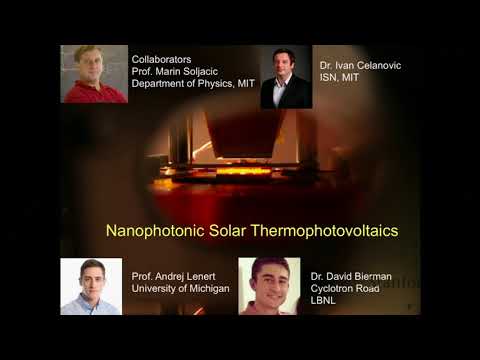
Watch: Evelyn Wang on energy and water technologies
In this research talk, Wang discusses energy and water technologies and the materials used to develop them.
Professionals
View more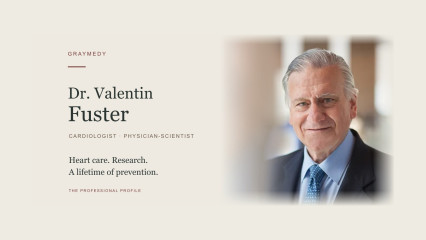
For Dr. Valentin Fuster, caring for the heart extends beyond the hospital. His career has brought together treatment, research and education, with a particular interest in helping people build healthier habits before cardiovascular disease interrupts their lives. That combination makes his work relevant to patients as well as the professionals who care for them. Fuster is a cardiologist and physician-scientist. Mount Sinai lists him as President of Mount Sinai Fuster Heart Hospital and Physician-in-Chief of The Mount Sinai Hospital in New York. His professional story connects specialist medicine with a wider question: how can knowledge about heart disease become useful in everyday life? From medical training to cardiovascular research Fuster completed his medical degree at the University of Barcelona and his doctorate at the University of Edinburgh. His career subsequently included Mayo Medical School, Mount Sinai and Massachusetts General Hospital, where he served as Chief of Cardiology while holding a professorship at Harvard Medical School. He returned to Mount Sinai in 1994 to lead its Cardiovascular Institute. The institution’s account of his career describes contributions to understanding the causes, prevention and treatment of cardiovascular disease. His research into the origins of cardiovascular events received the Prince of Asturias Award for Technical and Scientific Research in 1996. Those achievements reflect work across clinical practice and investigation. They also point to a feature of cardiovascular medicine: understanding how disease develops can inform both treatment after an event and efforts to prevent the next one. Why prevention starts early One distinctive part of Fuster’s work takes place in schools. Mount Sinai identifies him as principal investigator of the CHILDREN’S Project, which studies cardiovascular health among elementary-school children in New York City. Its approach builds on earlier programmes in Colombia, Spain and Harlem. The project combines health assessments with school-based education. It also considers social and environmental influences, including the circumstances in which children live and learn. That matters because a recommendation to eat well or be active is easier to follow when families have the time, resources and surroundings to support it. This is research into health promotion, not a guarantee that a classroom lesson prevents a future heart attack. Its value lies in asking when healthy habits can be taught, how they can be supported and what happens as children grow. From his story to everyday heart care Fuster’s emphasis on prevention offers a practical starting point for readers. The American Heart Association’s Life’s Essential 8 framework includes food, physical activity, nicotine avoidance, sleep, weight, cholesterol, blood sugar and blood pressure. These recommendations are general heart-health guidance, rather than a personalised plan from Dr. Fuster. HabitSimple actionMoveBuild regular activity suited to your health and abilityEat wellInclude vegetables, fruit, whole foods and suitable protein sourcesSleepMost adults should aim for seven to nine hours nightlyKnow your numbersDiscuss blood pressure, cholesterol and blood sugar with your clinician Start with a change that fits your routine, then review progress. If you have a heart condition, symptoms or uncertainty about exercise, ask your healthcare team what is appropriate. Continue prescribed medicines and discuss difficulties rather than changing treatment yourself. Making room for the patient A useful heart-care appointment begins with your own concerns. Explain symptoms, family history and the activities you want to return to. Bring a medicine list and ask what each proposed test or treatment is intended to change. If an explanation is unclear, ask for it in simpler language. Fuster’s career shows how a specialist’s influence can reach from the consultation room to research and public education. For readers, the practical lesson is to make prevention a continuing conversation, with advice that reflects their individual needs. Editorial note: This independent profile is based on public sources; Graymedy did not interview Dr. Fuster. No endorsement is implied. Sources: Mount Sinai professional biography; career and appointment announcement; CHILDREN’S Project; American Heart Association: Life’s Essential 8. Watch: Dr. Fuster on heart health In this archival 2013 Mount Sinai interview, Fuster discusses exercise, heart rate and health awareness. The video provides historical context; current personal advice should come from your clinician. Watch the interview on Mount Sinai’s YouTube channel. Portrait: CNIC, published in CNIC Pulse 19. Graymedy editorial layout: photograph cropped and resized, with a softened background. Dr. Fuster’s face is unchanged; no AI-generated portrait.
Dr. Rafaela Salvato: Bringing Skin and Hair Health into Focus
Dr. Michael Chiang: Connecting Eye Care, Research and Technology
Dr. Evelyn Wang: Turning Research on Heat and Air into Water and Energy Solutions
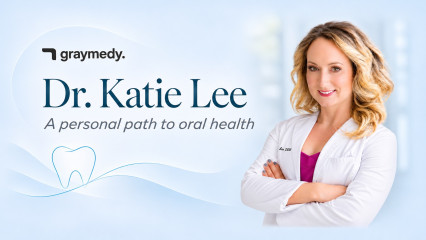
Dr. Katie Lee’s path to dentistry began long before dental school. At 14, an ATV accident caused severe injuries to her face and teeth. Years of treatment and reconstructive surgery followed. In her account of that experience, Lee describes how the care she received shaped her decision to become a dentist and help others facing difficult treatment. Today, Lee is a dentist, author, educator and coach whose work explores oral health and its relationship with the rest of the body. She also mentors dental professionals, an interest that takes her beyond the patients she can see individually. Her story brings together two sides of dentistry: the clinical work of restoring oral health and the human work of helping people feel understood. A patient’s experience becomes a purpose Lee has written about the long recovery after her accident, including the rebuilding of her jaw and treatment with dental implants. She also recalls the emotional difficulty of living through that recovery as a teenager. The experience gave her a personal view of what it means to need complex dental care—and of how much a patient’s confidence and daily life can be affected. She went on to graduate from the University of Illinois Chicago College of Dentistry in 2010. Her career has included practice leadership, education and consulting. She has also written Saved by the Mouth, a book intended to help patients and clinicians think about oral health in a wider context. For Lee, that educational work includes helping other dentists grow. On her own website, she describes mentoring as a way to reach more patients than she could treat alone. “I have two passions in this profession; dentistry itself, and making other dentists successful.” — Dr. Katie Lee, professional website Why the wider picture matters to her Lee’s interest in the relationship between the mouth and general health grew out of her own experience. In a 2024 episode of Dentistry Uncensored, she joins dentist and host Dr. Howard Farran for a discussion about oral-systemic health and empowering women in dentistry. The episode, included below, gives viewers a chance to hear about her work directly. The mouth is part of the body, and oral health can affect comfort, eating and quality of life. Researchers also study associations between gum disease and other health conditions. Those relationships can be complex: an association alone does not establish that one condition causes another, and dental treatment should not replace medical care. Patients can ask their dentist and physician how the evidence applies to them. From her story to everyday care Lee’s journey involved extensive treatment, but prevention remains a useful starting point for everyone. The American Dental Association (ADA) recommends brushing twice a day for two minutes with fluoride toothpaste and cleaning between teeth daily. Regular dental visits should be planned around a person’s individual needs. HabitSimple actionBrushTwice daily, two minutes, with fluoride toothpasteClean between teethOnce daily with floss or an interdental cleanerEat and drinkLimit sugar; choose waterDental visitsFollow your dentist’s recommended schedule Use a soft-bristled toothbrush and gentle strokes, reaching the outer, inner and chewing surfaces. If floss is difficult, ask your dental team about alternatives such as interdental brushes. The right routine is one that fits your mouth and that you can maintain. Making room for the patient Lee’s account of recovery underscores a point that can get lost in discussions of procedures: people arrive at a dental appointment with different histories, worries and resources. If you feel anxious, say so when booking. Ask the team to explain what will happen and agree on a signal if you need a break. Bring a list of medicines and questions. Before non-emergency treatment, ask for a clear explanation of the options, likely benefits, risks and costs. If your mouth often feels dry or you have concerns about a treatment, discuss them with your dentist rather than trying to diagnose the cause yourself. Contact a dentist promptly about persistent pain, bleeding gums, a broken tooth, swelling or a sore that does not heal. Swelling that makes breathing or swallowing difficult requires immediate emergency care. From her years as a patient to her work supporting other dentists, Lee’s story offers a personal perspective on why oral health deserves attention. Her message about education also invites a practical first step: ask questions, build a preventive routine and seek care suited to your own needs. Sources: Dr. Katie Lee’s biography; Dentistry Uncensored episode 1661; ADA home oral care; ADA interdental cleaning. Watch: Dr. Katie Lee on Dentistry Uncensored Dr. Lee discusses oral-systemic health and empowering women in dentistry with Dr. Howard Farran. Watch the full episode on YouTube.
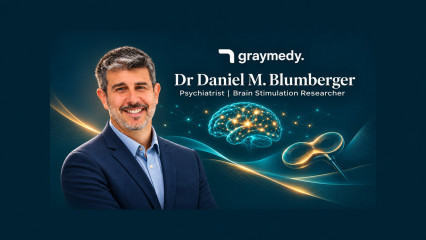
Dr Daniel Blumberger: advancing brain stimulation research for depression
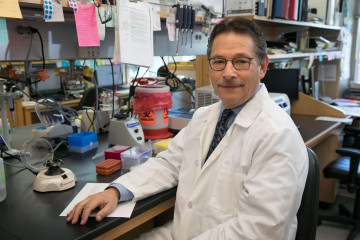
Dr Donald Kohn: bringing gene therapy from the laboratory to patients
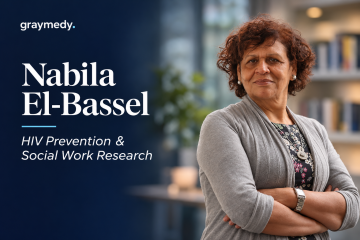
Nabila El-Bassel: bringing HIV prevention and addiction care closer to communities
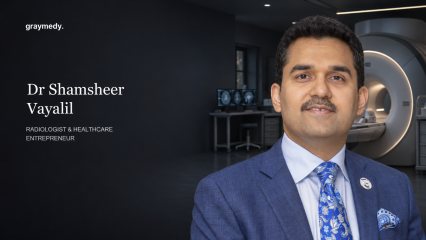
GRAYMEDY PROFESSIONAL PROFILE For Dr Shamsheer Vayalil, healthcare extends beyond the encounter between a doctor and a patient to the organisations that make treatment possible. His work spans hospitals, emergency medical services and investment in healthcare. Together, they raise a practical question: how can different parts of care be connected around the people who need them? Vayalil is the founder, chairman and chief executive officer of Burjeel Holdings, a healthcare group based in the United Arab Emirates. Trained in medicine and radiology, he began his career as a physician before establishing a hospital in Abu Dhabi in 2007 and developing a wider network of services. At a glance Profession: Physician, healthcare entrepreneur and investor Organisation: Burjeel Holdings, United Arab Emirates Areas of work: Hospital care, healthcare investment and emergency medical services Profile basis: Public company records and the professional’s published biography From radiology to building a hospital Vayalil’s medical education began in India, where he completed an MBBS and later specialised in radiology. His published biography describes work as a radiologist at Sheikh Khalifa Medical City in Abu Dhabi before he moved into healthcare entrepreneurship. In 2007, he opened LLH Hospital in Abu Dhabi. What began as a single hospital became the foundation for a broader healthcare group. Burjeel Holdings now describes a portfolio that includes hospitals, medical centres, home care, occupational health and pharmacies. Moving from clinical work to leadership changes the scale of the questions a doctor must consider. Alongside individual clinical decisions are questions about staffing, facilities, coordination and the way people reach the right service. These are organisational responsibilities carried by teams, not the work of one individual alone. Connecting services around patients A patient’s journey may involve a first consultation, diagnostic tests, specialist care and support after leaving hospital. Each step can take place in a different setting, and important information must travel with the patient. A network of services can provide opportunities to make those transitions easier. Burjeel describes its operations as a multi-brand healthcare platform spanning different levels of care. For patients, the value of an integrated model depends on how it works in practice: whether appointments are accessible, records are communicated, costs are clear and care remains consistent across settings. The existence of a network does not by itself establish better outcomes or guarantee access for every patient. Those questions require evidence about quality, experience and affordability as well as the number of facilities. Care before the hospital Vayalil’s work also includes emergency and pre-hospital care. Response Plus Holding identifies him as a founder and board member. The company describes services including on-site medical support, ambulance and emergency response, and medical evacuation. That part of healthcare begins before a person reaches a hospital. The response may involve assessing a situation, coordinating transport and communicating with the receiving care team. Its effectiveness depends on trained professionals, appropriate equipment and systems that function together when time matters. These services are distinct from Burjeel’s hospital operations, even though Vayalil has leadership connections to both. They illustrate the wider set of organisations involved in a healthcare journey. Growth and the responsibilities that follow Burjeel Holdings listed on the Abu Dhabi Securities Exchange in 2022. Its 2025 annual report records that Vayalil assumed the chief executive role in addition to his responsibilities as chairman. His wider VPS Health platform also includes interests in pharmaceuticals and education. Expansion can create opportunities to develop specialist services and reach more communities. It also brings responsibilities: maintaining clinical standards across sites, supporting staff and explaining outcomes to patients and the public. Financial growth and the size of a network tell only part of that story. Vayalil’s companies have a commercial interest in the services they describe. Their published accounts are useful for understanding the organisations and his roles, but they do not independently establish that any particular service is the best choice for an individual patient. From clinical training to healthcare leadership Vayalil’s career shows one path a physician can take beyond a clinical specialty: building and leading institutions that bring together different kinds of healthcare work. His story also highlights the teams behind that work, from clinicians and emergency responders to the people who coordinate facilities and services. For a person choosing care, the questions remain specific: which service meets their needs, what will it cost, and how will their care be coordinated? A professional profile can introduce a leader’s work, but it cannot assess an individual service or promise a clinical result. Editorial note: This independent profile is based on public sources. Graymedy did not interview Dr Vayalil for this article. No endorsement or commercial relationship is implied. Sources and image Dr Shamsheer Vayalil biography; career background; Burjeel Holdings leadership; Burjeel Holdings 2025 annual report; Response Plus Holding profile; VPS Health ventures. Portrait: Kcmazin via Wikimedia Commons, CC0 1.0. AI-assisted Graymedy illustration based on the portrait, with an illustrative background. AI was used to refine the portrait edge and may have recreated details.
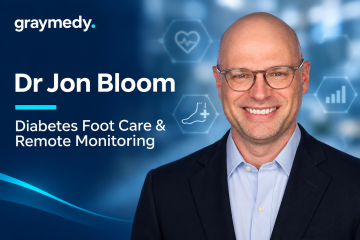
Dr Jon Bloom: connecting diabetes foot care with technology and human support
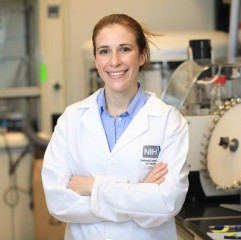
Dr. Kaitlyn Sadtler: teaching biomaterials to work with the immune system