Cellular Senescence
- Home
- Topic
Cellular Senescence
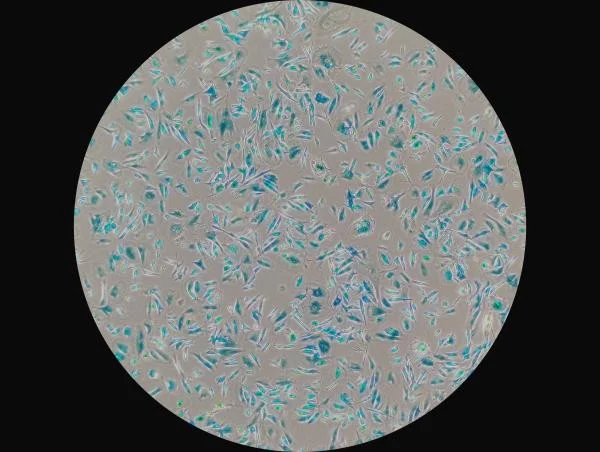
Some cells stop dividing without disappearing. They remain biologically active, sending signals into surrounding tissue. This state, called cellular senescence, has become a major focus of ageing research because it can help protect the body in some circumstances and contribute to damage in others. The challenge is telling those situations apart. Researchers need to know which cells have become senescent, where they sit, and what they are doing before they can design treatments that target them accurately. A growing effort to map these cells is making that question more concrete. Why a stopped cell can still matter Senescence is a response to stresses such as DNA damage or disrupted cell function. Stopping a damaged cell from multiplying can provide an important safeguard against cancer. Senescent cells also participate in normal processes, including tissue repair. Their presence alone therefore does not automatically mean disease. Problems can emerge when these cells persist and release substances that alter their surroundings. Scientists call this mixture the senescence-associated secretory phenotype, or SASP. Its components can influence inflammation, neighbouring cells and tissue maintenance. The effects depend on the biological setting, which makes the familiar description of senescent cells as simply harmful incomplete. A SenNet Consortium perspective in Nature Aging explains why cell identity, the trigger for senescence and the tissue environment all matter. A single measurement cannot capture that complexity across the whole body. A map built around cellular differences In June 2026, the US National Institutes of Health reported a collection of studies advancing the Cellular Senescence Network, known as SenNet. The research introduces a framework of “senotypes”: patterns that distinguish senescent cells according to their context and characteristics. The work includes mapping in tissues such as the lungs, lymph nodes and the brain’s prefrontal cortex, alongside methods for detecting rare cells within complicated tissue samples. Combining molecular measurements with information about location helps researchers investigate how cells interact with their immediate neighbourhood. As the NIH announcement makes clear, this is groundwork for more selective therapies. An atlas can help researchers identify promising targets; it does not itself establish that a treatment prevents age-related illness. What blood measurements may reveal A related NIH research summary describes a tool called the Senescence Catalog, or SenCat, built from gene activity and protein measurements in 14 types of human senescent cells. The findings reinforce that senescence has several molecular forms rather than one universal signature. In companion research, investigators measured associated blood proteins in more than 2,000 people from two long-term ageing studies. Some patterns were linked to health characteristics including kidney disease, walking pace and diabetes. Cell-specific signals also appeared relevant: markers connected with kidney-cell senescence were associated with kidney disease. These reported associations make the proteins useful research leads. They do not show that a commercial blood test can reliably guide an individual’s treatment, or that changing a marker will necessarily improve health. Why removing every senescent cell is not the goal Experimental medicines called senolytics aim to eliminate selected senescent cells. Animal research has encouraged interest in this approach, but translating it into useful care requires a careful balance. The same broad cellular process can contribute to disease while also supporting healing and limiting uncontrolled growth. The NIH Intramural Research Program describes efforts to find molecular markers that distinguish relevant cells and measure whether interventions affect them. Identifying a target, reaching it safely and demonstrating meaningful benefit are separate tasks. Results in mice cannot establish that an intervention will extend healthy life in people. Future clinical studies will need to establish who benefits, which conditions should be treated and how outcomes change over time. Tracking side effects will be as necessary as measuring changes in cell numbers or blood proteins. What progress should look like SenNet’s public programme is designed to share maps, methods and common definitions so that laboratories can compare results. That infrastructure matters because inconsistent ways of identifying senescent cells can make apparently similar studies difficult to interpret. For readers, the useful questions are specific: which cells were studied, in what tissue, and was the evidence obtained from laboratory models or people? A credible treatment claim must also show a measurable health benefit and an acceptable safety profile. The promise of this research lies in understanding cellular ageing precisely enough to intervene wisely, while preserving the functions that help keep tissues healthy.