Sleep Science
- Home
- Topic
Sleep Science
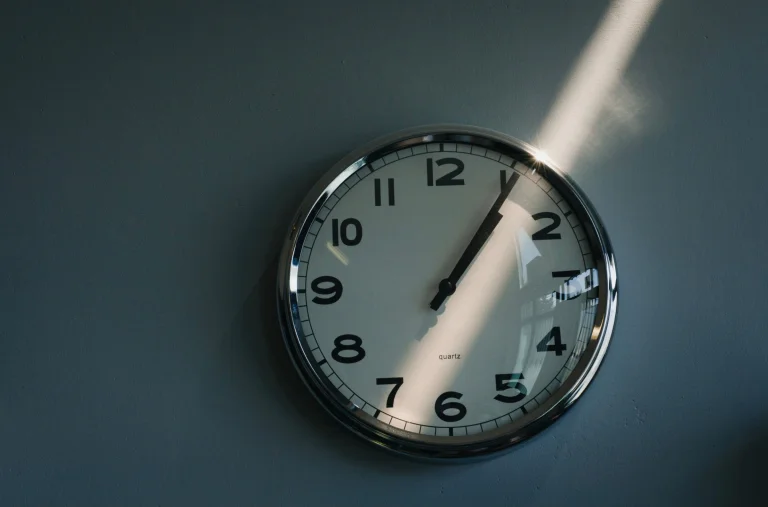
The Body Runs on More Than One Clock Most people associate the body clock with feeling sleepy at night and alert during the day. But circadian rhythms reach much further. They help organize hormone release, appetite, digestion, temperature and other biological processes. Scientists increasingly view these roughly 24-hour cycles as an important part of understanding how daily routines interact with long-term health. What Sets the Biological Clock? A master clock in the brain, located in a region called the suprachiasmatic nucleus, responds to light detected by the eyes. Its timing helps coordinate clocks elsewhere in the body. Nearly every tissue and organ has rhythmic activity, and cues including meals, movement and the surrounding light-dark cycle can affect how those rhythms align. Light is particularly powerful. Morning daylight helps reinforce the daily timing signal, while bright light late in the evening may shift sleep timing. This does not mean everyone should follow identical hours: age, work schedules and individual biology influence when people naturally feel most awake. Why Timing Matters for Metabolism Metabolism is not a constant-speed machine. The body processes nutrients and regulates energy through systems that also change across the day. Clocks in tissues including the liver and digestive tract respond to eating and fasting patterns, while the brain's central clock primarily tracks environmental light. A National Institutes of Health report described a controlled research study in which simulated night-shift schedules altered rhythms in certain metabolic pathways after only a few days. Importantly, these changes did not simply mirror the brain's central clock. The finding helps explain why misalignment between daily behavior and biological timing is an area of interest in research on metabolic disease. However, observing disrupted metabolic rhythms is not the same as proving that one late dinner causes diabetes. Many factors affect metabolic health, including diet quality, activity, genetics, stress and sleep duration. Researchers are still clarifying which timing interventions produce meaningful, lasting clinical benefits. Sleep Is About Quality as Well as Quantity The CDC recommends that adults aged 18 to 60 generally get at least seven hours of sleep per night. Yet sleep health also depends on continuity, regularity and feeling restored. Someone who spends eight hours in bed but wakes repeatedly may still experience poor sleep. The issue is widespread. A CDC National Center for Health Statistics report published in April 2026 found that 30.5% of US adults surveyed in 2024 averaged fewer than seven hours of sleep in a 24-hour period. That figure describes the population surveyed; it does not establish how much sleep any one individual needs. Shift workers face an additional challenge because their schedules can place sleep and meals at odds with external daylight. This can affect alertness and make it harder to sustain consistent routines. It is important to treat these pressures as workplace and public-health concerns, not merely failures of personal discipline. Can Daily Habits Support the Clock? Evidence-based guidance begins with straightforward habits. Keeping wake and bedtimes reasonably consistent can strengthen routine. Getting natural light earlier in the day, when practical, reinforces the contrast between day and night. Regular physical activity supports general health and sleep, while reducing bright artificial light close to bedtime may help the body prepare for rest. For people with rotating shifts, rigid advice about sleeping only at night is unrealistic. A dark, quiet sleep environment, thoughtful scheduling and professional advice when needed may be more useful. People should also be cautious about claims that supplements, fasting windows or wearable scores can perfectly reset an internal clock; their benefits vary and are not substitutes for medical assessment. What the Science Still Needs to Answer Circadian biology offers a framework for studying how timing influences the body, but it does not replace established prevention or treatment. Researchers are testing whether carefully timed light exposure, meals, activity and medications can improve specific health outcomes. Results may differ according to age, medical conditions, chronotype and the demands of work. Persistent insomnia, severe daytime sleepiness, loud snoring or breathing pauses deserve clinical attention rather than experimentation with schedules alone. The central lesson is practical: biological timing is one component of health, alongside adequate sleep, nutritious food, physical activity and appropriate medical care. Sources National Institute of General Medical Sciences: Circadian Rhythms (https://www.nigms.nih.gov/education/fact-sheets/Pages/circadian-rhythms). NIH Research Matters: How Night Shifts Disrupt Metabolism (https://www.nih.gov/news-events/nih-research-matters/how-night-shifts-disrupt-metabolism). CDC: About Sleep (https://www.cdc.gov/sleep/about/). CDC NCHS Data Brief 559, April 2026 (https://www.cdc.gov/nchs/data/databriefs/db559.pdf).