
- Home
- Health Technology
- What Is Medical Ultrasound?
What Is Medical Ultrasound?
NIH NEWS IN HEALTH
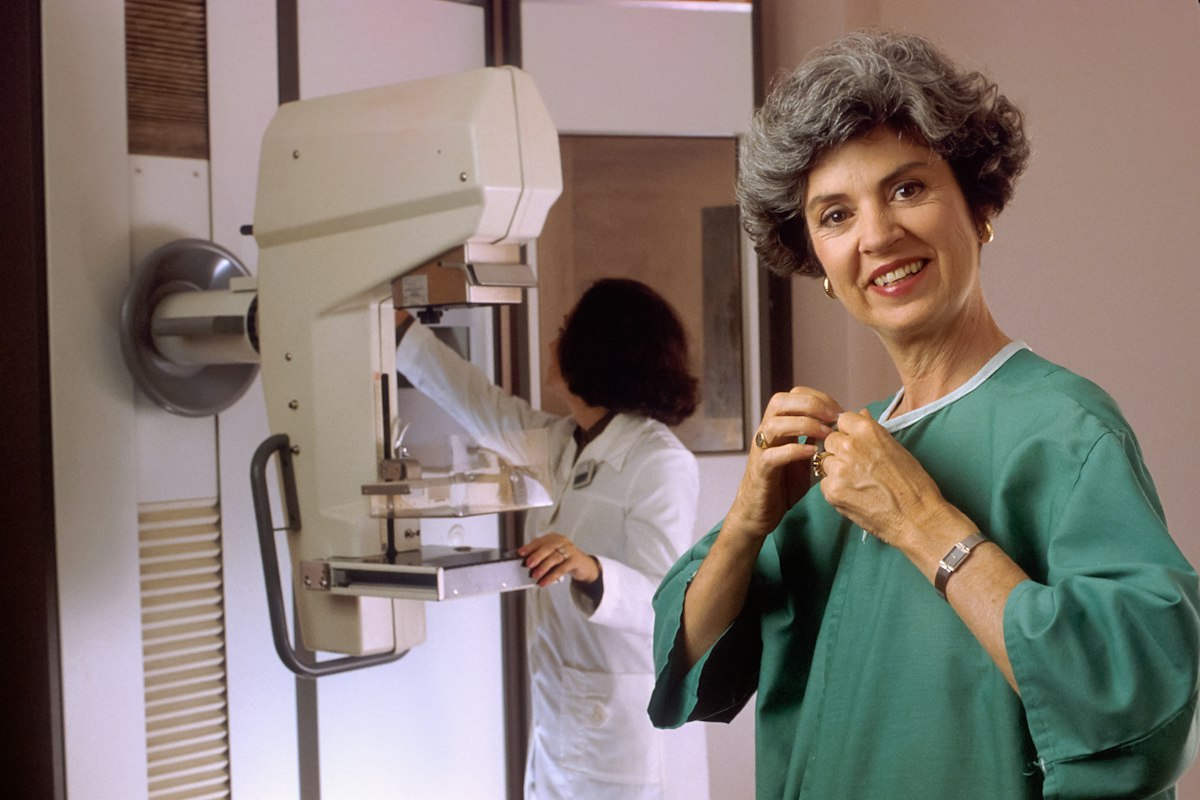
NIH News in Health · Source article
Health Capsule
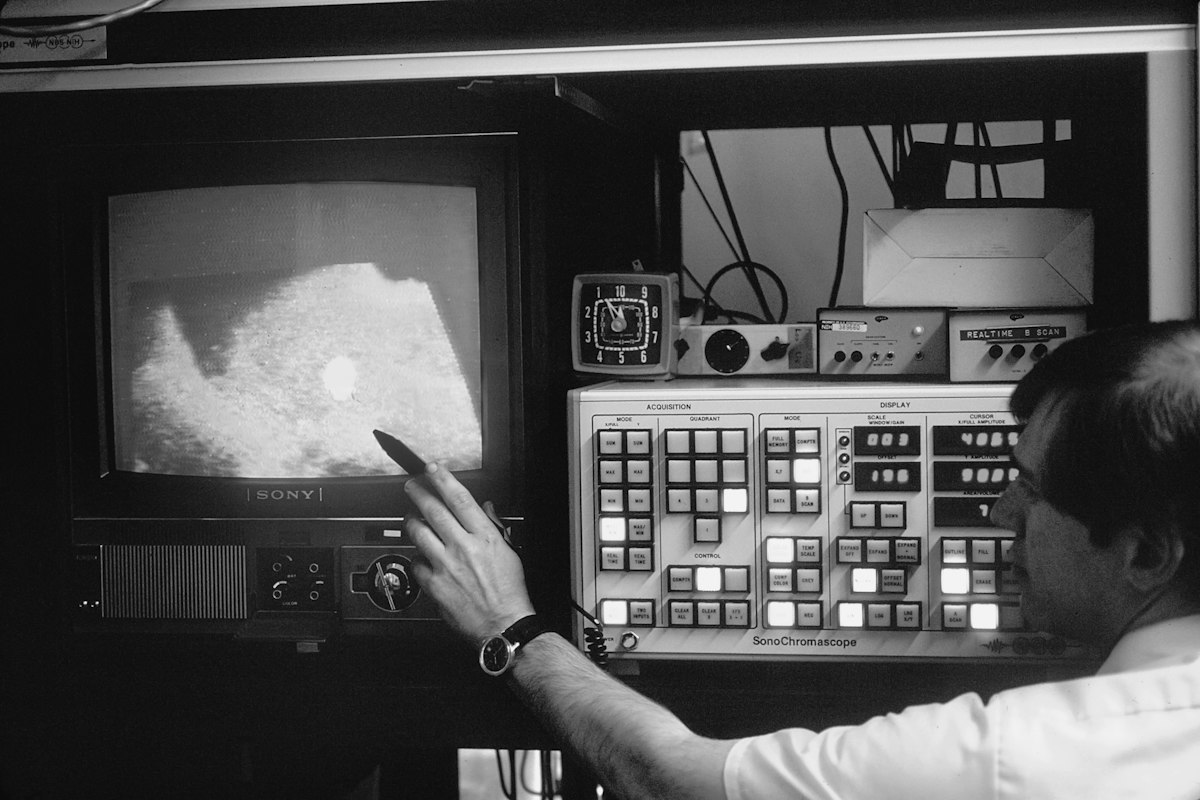
Medical ultrasound is a noninvasive technique. It uses sound waves to create images to assess or treat certain parts of the body. It’s often used as a diagnostic tool during pregnancy. It can help doctors evaluate fetal growth, heart rate, movements, and more. It can also be used to assess other body parts, such as the kidneys, pelvis, or thyroid.
Ultrasound is generally considered safe when it’s used as an imaging tool. Unlike X-rays or CT scans, ultrasound doesn’t use any radiation.
During an ultrasound exam, a technician applies a thin layer of gel to your skin and then passes a device called a transducer or probe over part of your body. In some cases, the probe is placed inside certain body parts, such as blood vessels or the rectum.
The probe produces ultrasound waves. You can’t hear these sound waves, but the probe can detect ultrasound echoes that are reflected back. These are then converted into images that can be displayed on a screen. Some ultrasound techniques can show real-time motions, such as blood flow or movement of the heart. Others can help distinguish healthy from unhealthy tissues, such as tumors or a buildup of scar tissue.
Ultrasound can also be used as a treatment. The sounds waves can help to dissolve blood clots or break up kidney stones so they can pass through the body. Learn more about ultrasound.
Further reading and research references
Illustrative archival photograph: National Cancer Institute / Unsplash, used under the Unsplash License. The people or equipment shown are not identified as participants in the research or interviews described here.


Health Technology
View more
NIH News in Health · Source article Health Capsule Depression causes long-lasting feelings of sadness and loss of interest. A new study suggests that simple, game-like tests may help doctors identify patients with depression more quickly. NIH-funded researchers tested two video games as screening tools for depression. The study enrolled healthy people and ones with moderate to severe depression. Participants were asked to play two video games. One game was designed to test when a person no longer found playing the game rewarding. It had participants collect apples from trees. Each time they harvested a tree, the tree produced fewer apples. They could choose to stay at the same tree or move to a new one. Those with depression moved on to harvest new trees sooner than those without it. How soon the participants moved on was tightly linked to the severity of their depression symptoms. The second game tested how people adjusted their decisions when a situation changed. Participants ranked snack food items based on how much they would pay for them. The snack items were then presented with different combinations to see how participants’ rankings changed. Healthy participants changed how they rated the items depending on what other choices they had. But participants with depression did not. “Our behavioral game gives us clues to what is happening in the brains of patients with depression,” says Dr. Paul Glimcher of New York University, who co-led the study. With more research, these simple tests might help doctors quickly screen for and track depression in the clinic. Source: NIH News in Health. Originally published August 2026. Republished by Graymedy on 11 October 2026. This is a sourced NIH article, not a Graymedy interview or original study. Read the original article and its research references. NIH News in Health permits republication of its articles and illustrations with acknowledgement. Research findings retain their original study context. Further reading and research references When Sadness Lingers: Understanding and Treating Depression Beat the Winter Blues: Shedding Light on Seasonal Sadness Feeling Stressed? Ways to Improve Your Well-Being Mindfulness for Your Health: The Benefits of Living Moment by Moment Depression Decisional reference point pathology: a cognitive mechanism for and a correlate of major depressive disorder in humans. Illustrative archival photograph: National Cancer Institute / Unsplash, used under the Unsplash License. The people or equipment shown are not identified as participants in the research or interviews described here.
Blood Test Predicts Age When Alzheimer’s Symptoms Start
New Test May Find Early Pancreatic Cancer

Personalizing Breast Cancer Screening
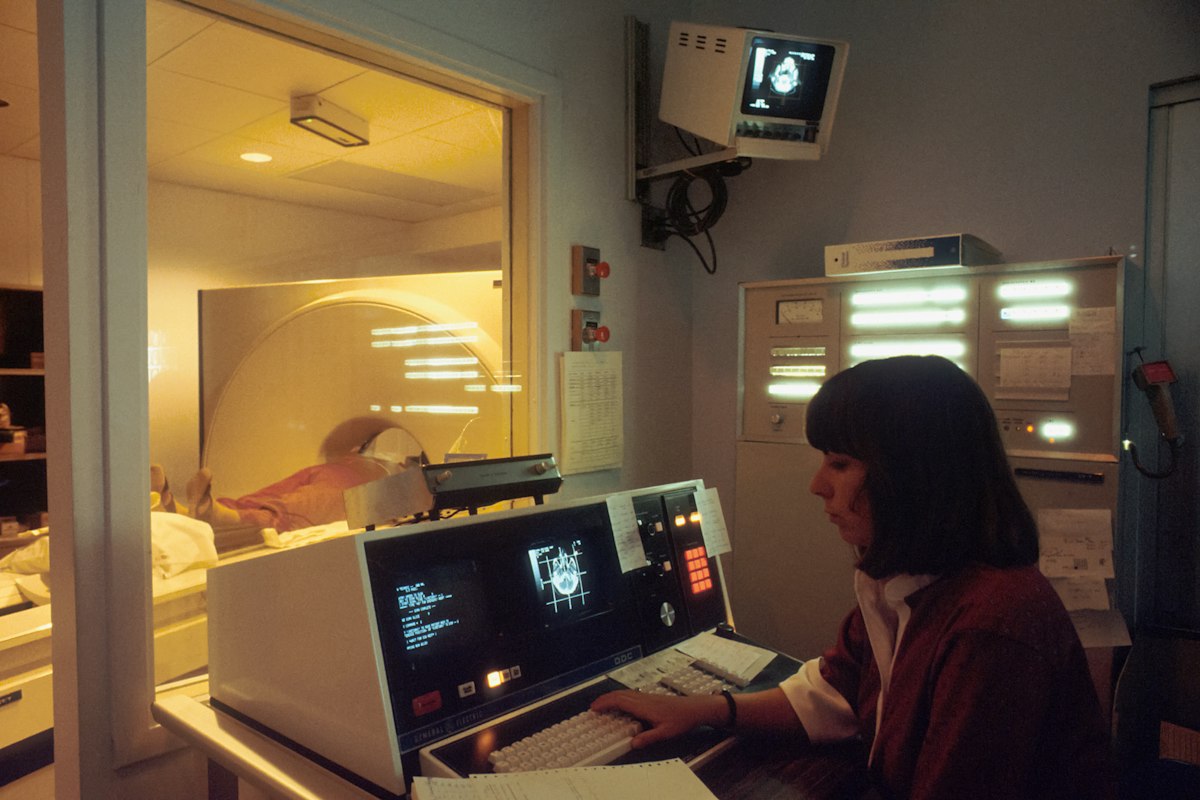
NIH News in Health · Source article Health Capsule Biologically speaking, some people age faster than others. Your aging rate can affect your health and disease risks. If you knew this rate, you might be able to work with your doctor to slow the aging process. A research team developed a way to measure aging based on a single brain scan. The team drew on their earlier studies, where they devised a way to measure biological aging using blood tests. They tracked the health of more than 1,000 people from birth to age 45 and measured 19 factors related to health. These included heart function, metabolism, disease-fighting molecules, and more. Using these, they developed a measurement called the Pace of Aging. It shows how health functions dwindle over time. Most of the study participants also had an MRI scan at age 45. In the new study, the team combined the Pace of Aging scores with the MRI scan data. They developed a new aging measurement, called Dunedin-PACNI, based on the brain scans alone. They then tested the new tool with data collected on thousands of people from other studies. DunedinPACNI accurately predicted how quickly a person’s ability to think and remember weakened with age. It also could predict a person’s risk of future disease and death. “We’ve captured how fast people are aging using data collected in midlife. And it’s helping us predict diagnosis of dementia among people who are much older,” explains Dr. Ahmad Hariri of Duke University. “We really think of it as hopefully being a key new tool in forecasting and predicting risk for diseases.” Source: NIH News in Health. Originally published September 2025. Republished by Graymedy on 11 October 2026. This is a sourced NIH article, not a Graymedy interview or original study. Read the original article and its research references. NIH News in Health permits republication of its articles and illustrations with acknowledgement. Research findings retain their original study context. Further reading and research references A Well-Aged Mind: Maintaining Your Cognitive Health How To Assess Aging? Healthy Aging DunedinPACNI estimates the longitudinal Pace of Aging from a single brain image to track health and disease. Illustrative archival photograph: National Cancer Institute / Unsplash, used under the Unsplash License. The people or equipment shown are not identified as participants in the research or interviews described here.
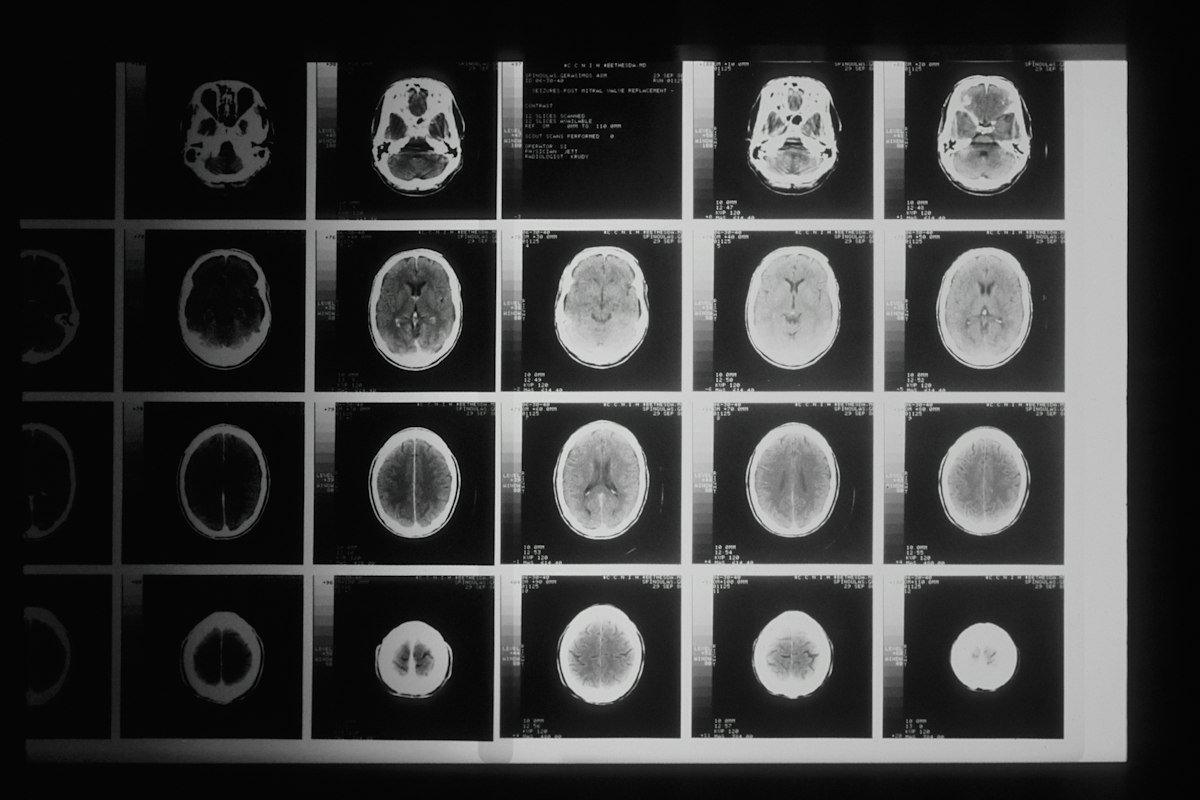
Home Test Kits Boost Screening for Cervical Cancer
What Is Medical Ultrasound?
Creating an Artificial Sense of Touch
NIH News in Health · Source article What do you think of when you hear the word robot? Is it a human-like assistant with a friendly face, or a large and menacing foe? Generally, a robot is a machine that that’s been built to perform specific tasks. “When most people hear the term ‘robot,’ they think of things made of solid metal and electronics,” says Dr. Ryan Sochol, a mechanical engineer at the University of Maryland. But medical robots can come in many shapes and sizes. Sochol and his colleagues are creating tiny flexible robots to improve surgical techniques. Other scientists are developing wearable robots to enhance mobility. And others are creating and testing human-like social robots. These may be able to provide information and improve well-being. Most of these robotic devices are still in the research and development phase. They’re not yet ready for general use. But some may become available within the next five to ten years. Robots usually have three key features. They have a sensor that can detect things—like light, motion, heat, or sound. They have an “actuator” that converts energy into movement. And they have a control system or computer program that directs the robot’s activities. Many robots today also depend on artificial intelligence (AI) to assess large amounts of data. “Robots are everywhere. Even many cars now have robots,” says Dr. Xiaopeng Zhao, a biomedical engineer at the University of Tennessee, Knoxville. These systems can help drivers with parking, staying within lanes, or cruise control. “And with the support of AI technology, robots will become more useful and more powerful.” Social Robots Help Out Zhao and others are studying how human-like, interactive robots could help people with dementia and their caregivers. As the U.S. population ages, there’s a growing need for caregivers. Family caregivers often provide countless hours of support. That can lead to a lot of stress. Zhao and his team interviewed patients and caregivers at assisted living facilities, senior centers, and memory clinics. They asked about their needs and challenges. They then customized a four-foot tall, human-like robot. It has a touch screen on its chest. These AI-powered robots can listen, talk, move, play videos, and dance. They can also encourage people to reminisce about earlier experiences. “Patients with Alzheimer’s can have short-term memory loss,” Zhao says. “But they may be able to recall what happened 20 or 30 years ago.” The robots can play old songs, discuss sports, or ask questions to trigger memories. “Reminiscing may not restore memory, but it can improve emotional well-being and quality of life,” Zhao says. Robots can patiently listen to the same stories over and over. Zhao’s group is also developing robots that can assist caregivers by providing evidence-based information about dementia. The robots can give tips to help caregivers reduce their own stress and stay healthy. Robots for Surgery Other researchers have been developing tiny robotic tools to help surgeons and physicians. Robotic surgery can lead to less pain and blood loss, smaller scars, and quicker recovery. It can have fewer complications compared to traditional surgery. Robotic surgeries usually involve making little openings through the skin and then inserting small 3D cameras and surgical tools. Sochol’s team is developing miniature tools and robotic techniques to assist with complex surgeries. They’re creating soft robotic devices, made of flexible or compliant materials. These flexible gadgets are helping to improve a type of brain surgery for weakened and bulging blood vessels, called aneurysms. Minimally invasive aneurysm surgery typically involves threading a thin plastic tube, or microcatheter, through the body to reach the brain. The weakened blood vessel can then be repaired or sealed. But the microcatheter has to make many twists and turns along the way, and it can be hard to maneuver. If the catheter can’t reach the aneurysm, the surgery must be canceled. Sochol and his team used 3D printing to create microcatheters that surgeons can steer to reach these tricky parts of the brain. “We created a soft robotic microcatheter that can bend on demand during the procedure to help surgeons reach those hard-to-access areas,” he says. Other NIH-supported scientists are developing soft robotic techniques to improve heart surgery, bowel surgery, and lung biopsies. These soft robotic tools are still considered experimental. Wearable Robotics NIH also funds studies to develop artificial limbs, or prosthetic devices, to replace lost or damaged body parts. Some of these robotic devices connect to the brain and let people control movement of artificial hands, legs, and other limbs. Other researchers are developing battery-powered exoskeletons to help move existing limbs. “Exoskeletons are robots that you wear on your body. They can fit on top of your limbs, kind of like clothing. You can put them on and take them off, like boots or pants,” says Dr. Gregory Sawicki, a biomedical engineer at the Georgia Institute of Technology. “They can work in synch with your muscles, so your muscles don’t have to do all the work.” Sawicki and his colleagues have been studying how exoskeletons might help improve mobility and prevent falls as people age. Falls can lead to fractures, hospitalization, and disability in older adults. “A primary reason why people fall is that their body can’t react fast enough,” Sawicki says. Robots have the potential to respond more quickly to balance problems than the human body can. Researchers are working to develop more comfortable and lightweight exoskeletons that seem more like clothing. “To live long happy lives, we’ve got to be mobile for as long as possible. Mobility helps us have social connections, which are incredibly important as we age,” Sawicki says. “These kinds of mobility assistive technologies can help us move farther on less energy and to interact with people.” Robots can make life easier or better in many ways. But they’re no substitute for human interactions. “It’s clear that many tasks can be done by robots. They’re especially helpful with repetitive or tedious tasks,” Zhao adds. “But when we’re talking about love, empathy, and bonding between humans, these qualities remain uniquely human.” Source: NIH News in Health. Originally published June 2025. Republished by Graymedy on 11 October 2026. This is a sourced NIH article, not a Graymedy interview or original study. Read the original article and its research references. NIH News in Health permits republication of its articles and illustrations with acknowledgement. Research findings retain their original study context. Further reading and research references Artificial Intelligence and Your Health: How Computers are Helping Medicine Bionic Movements: Connecting Mind and Machine Alzheimer’s and Dementia Caregiving Cerebral Aneurysms Center of mass states render multijoint torques throughout standing balance recovery. 3D nanoprinting of PDMS microvessels with tailored tortuosity and microporosity via direct laser writing. Use of a humanoid robot in supporting dementia care: A qualitative analysis. Exoskeletons need to react faster than physiological responses to improve standing balance. Cognitive exercise for persons with Alzheimer's disease and related dementia using a social robot. Age-related changes in gait biomechanics and their impact on the metabolic cost of walking: Report from a National Institute on Aging workshop. Illustrative archival photograph: National Cancer Institute / Unsplash, used under the Unsplash License. The people or equipment shown are not identified as participants in the research or interviews described here.
Restoring Communication