dental care
- Home
- Topic
dental care
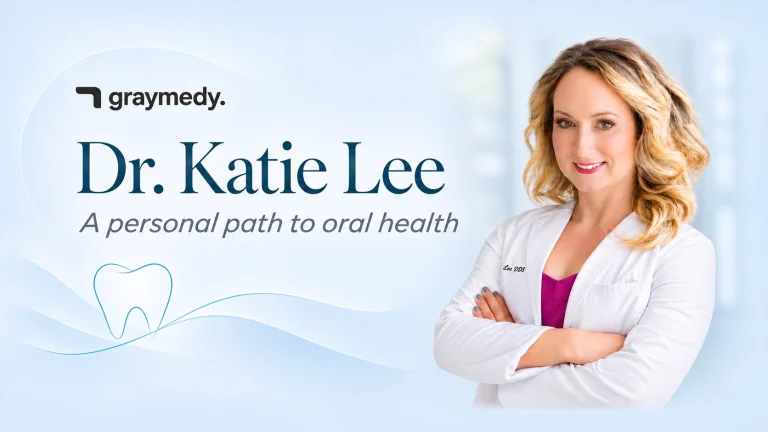
Dr. Katie Lee’s path to dentistry began long before dental school. At 14, an ATV accident caused severe injuries to her face and teeth. Years of treatment and reconstructive surgery followed. In her account of that experience, Lee describes how the care she received shaped her decision to become a dentist and help others facing difficult treatment. Today, Lee is a dentist, author, educator and coach whose work explores oral health and its relationship with the rest of the body. She also mentors dental professionals, an interest that takes her beyond the patients she can see individually. Her story brings together two sides of dentistry: the clinical work of restoring oral health and the human work of helping people feel understood. A patient’s experience becomes a purpose Lee has written about the long recovery after her accident, including the rebuilding of her jaw and treatment with dental implants. She also recalls the emotional difficulty of living through that recovery as a teenager. The experience gave her a personal view of what it means to need complex dental care—and of how much a patient’s confidence and daily life can be affected. She went on to graduate from the University of Illinois Chicago College of Dentistry in 2010. Her career has included practice leadership, education and consulting. She has also written Saved by the Mouth, a book intended to help patients and clinicians think about oral health in a wider context. For Lee, that educational work includes helping other dentists grow. On her own website, she describes mentoring as a way to reach more patients than she could treat alone. “I have two passions in this profession; dentistry itself, and making other dentists successful.” — Dr. Katie Lee, professional website Why the wider picture matters to her Lee’s interest in the relationship between the mouth and general health grew out of her own experience. In a 2024 episode of Dentistry Uncensored, she joins dentist and host Dr. Howard Farran for a discussion about oral-systemic health and empowering women in dentistry. The episode, included below, gives viewers a chance to hear about her work directly. The mouth is part of the body, and oral health can affect comfort, eating and quality of life. Researchers also study associations between gum disease and other health conditions. Those relationships can be complex: an association alone does not establish that one condition causes another, and dental treatment should not replace medical care. Patients can ask their dentist and physician how the evidence applies to them. From her story to everyday care Lee’s journey involved extensive treatment, but prevention remains a useful starting point for everyone. The American Dental Association (ADA) recommends brushing twice a day for two minutes with fluoride toothpaste and cleaning between teeth daily. Regular dental visits should be planned around a person’s individual needs. HabitSimple actionBrushTwice daily, two minutes, with fluoride toothpasteClean between teethOnce daily with floss or an interdental cleanerEat and drinkLimit sugar; choose waterDental visitsFollow your dentist’s recommended schedule Use a soft-bristled toothbrush and gentle strokes, reaching the outer, inner and chewing surfaces. If floss is difficult, ask your dental team about alternatives such as interdental brushes. The right routine is one that fits your mouth and that you can maintain. Making room for the patient Lee’s account of recovery underscores a point that can get lost in discussions of procedures: people arrive at a dental appointment with different histories, worries and resources. If you feel anxious, say so when booking. Ask the team to explain what will happen and agree on a signal if you need a break. Bring a list of medicines and questions. Before non-emergency treatment, ask for a clear explanation of the options, likely benefits, risks and costs. If your mouth often feels dry or you have concerns about a treatment, discuss them with your dentist rather than trying to diagnose the cause yourself. Contact a dentist promptly about persistent pain, bleeding gums, a broken tooth, swelling or a sore that does not heal. Swelling that makes breathing or swallowing difficult requires immediate emergency care. From her years as a patient to her work supporting other dentists, Lee’s story offers a personal perspective on why oral health deserves attention. Her message about education also invites a practical first step: ask questions, build a preventive routine and seek care suited to your own needs. Sources: Dr. Katie Lee’s biography; Dentistry Uncensored episode 1661; ADA home oral care; ADA interdental cleaning. Watch: Dr. Katie Lee on Dentistry Uncensored Dr. Lee discusses oral-systemic health and empowering women in dentistry with Dr. Howard Farran. Watch the full episode on YouTube.