ECG
- Home
- Topic
ECG
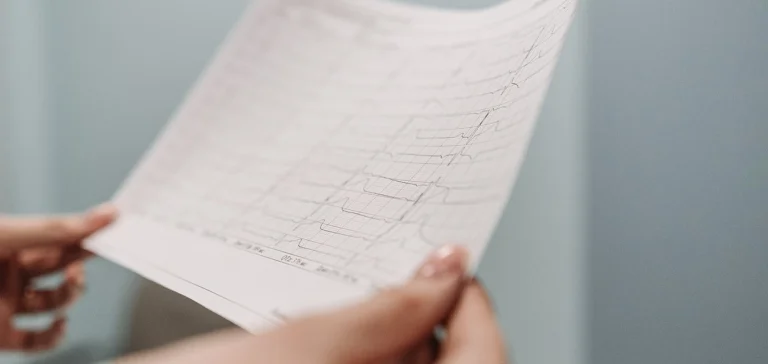
A racing heartbeat can disappear before an appointment begins. Dizziness may come and go, and a brief flutter can be difficult to describe once it has passed. For clinicians investigating these symptoms, the challenge is sometimes capturing what the heart is doing at the relevant moment. Portable electrocardiogram monitoring extends that observation beyond a short recording in the clinic. An electrocardiogram, usually called an ECG or EKG, records electrical signals generated by the heart. Those signals help show its rate and rhythm. The technology is familiar, but different recording arrangements answer different questions. Understanding that difference can help patients prepare for testing and discuss what a result actually means. A short recording has a specific purpose A resting ECG uses electrodes placed on the body while a person lies still. It is usually quick and painless. The NHS explains that clinicians may request an ECG when investigating a suspected heart attack, coronary heart disease or an abnormal heart rhythm, or when monitoring certain conditions and medicines. A brief test samples a particular period. When symptoms are intermittent, a clinician may need a longer recording rather than simply repeating the same short test. The choice should follow the person's history, the frequency of symptoms and the reason for the investigation. Taking the recording into daily life The National Heart, Lung, and Blood Institute describes Holter and event monitors as portable devices that record heart electrical activity over longer periods during ordinary activities. Many use adhesive electrodes attached to the chest and connected to a small recorder. Device designs and recording durations vary. The aim is to provide information that helps a clinician investigate an arrhythmia or assess whether treatment is working. Patients should ask how their particular device records events, whether they need to press a button when symptoms occur, and what information the clinical team wants them to note. A simple symptom diary can make the conversation more precise. Record the time, what the sensation felt like and what you were doing. Ask the service how to match those notes with the recording. Follow its instructions rather than assuming every device has the same features. Practical details matter Before leaving the fitting appointment, ask about bathing, exercise, sleep and keeping the electrodes attached. Some equipment must remain dry. Instructions differ between devices, so general advice found online may not apply to the recorder supplied by your own clinic. Skin preparation helps electrodes make reliable contact. Tell staff about sensitive skin or a previous reaction to medical adhesives. If a patch loosens, a wire disconnects or the recorder shows an unfamiliar warning, use the contact instructions provided by the service. Do not change prescribed medicines merely to make symptoms appear during testing. The result needs clinical interpretation A recording is part of an assessment, not a complete explanation of every symptom. Ask whether the monitored period captured the episodes you were concerned about, whether a rhythm finding explains them and whether further investigation is needed. A useful report should lead to an understandable next step. Technology can improve the opportunity to observe an event, but an individual still needs a clinician to connect the recording with symptoms, examination findings and other information. Ask when the report will be reviewed, how results will reach you and whom to contact if that communication does not arrive. Keep an emergency plan separate A monitor is not a reason to delay urgent care. If symptoms suggest a heart attack, including chest discomfort with breathlessness, sweating or pain spreading to the arm or jaw, contact local emergency services immediately. Do not wait for a device alert, a scheduled report or a routine callback. Before returning the recorder, check that you understand the handover arrangements. Keep any symptom notes with the information requested by the clinic. If your usual symptoms did not happen, say so explicitly at follow-up. That detail helps distinguish an uneventful monitoring period from a clear explanation of the problem. The next decision should follow the whole assessment rather than a device label viewed in isolation. For a planned appointment, useful questions are straightforward: What question is this test trying to answer? What should I do during symptoms? Which activities are allowed? What happens if no episode occurs while I wear it? Those answers make the device a more useful part of care and help prevent false reassurance from a recording that needs further explanation. Sources www.nhlbi.nih.gov: heart tests www.nhs.uk: electrocardiogram www.medlineplus.gov: 003877.htm www.leedsth.nhs.uk: ambulatory monitoring