eye exam
- Home
- Topic
eye exam
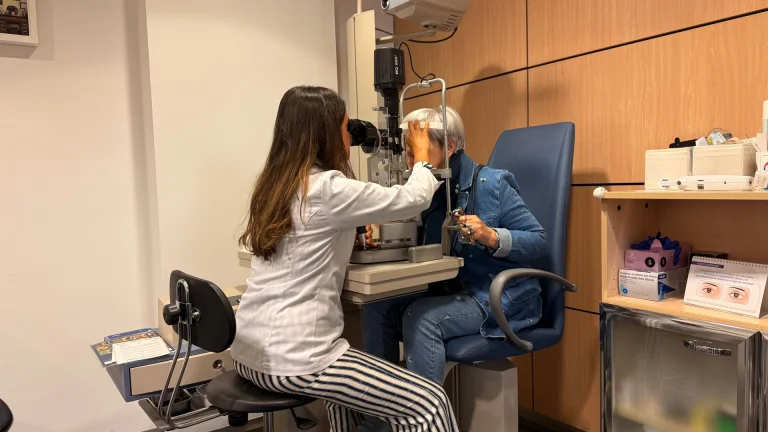
A clear view of the world can make it easy to assume that the eyes are healthy. Yet some sight-threatening conditions develop quietly. A comprehensive eye exam can reveal changes before a person notices them and can also help a clinician explain what to do next. For people living with diabetes, this matters especially. High blood sugar can damage the small blood vessels in the retina, the light-sensitive tissue at the back of the eye. This condition, diabetic retinopathy, may cause no symptoms in its early stages. Finding changes early creates an opportunity to protect vision. What happens during an exam? An eye care professional may begin by asking about your health, medicines, family history and any changes in vision. Bring your glasses or contact lenses and a list of questions. Mention diabetes, high blood pressure, previous eye surgery and any new symptoms, even if they seem unrelated. A comprehensive dilated examination can include tests of visual sharpness, side vision, pupil response, eye movement and eye pressure. To inspect the inside of the eye, the clinician places drops in the eyes to widen the pupils. This makes it easier to examine the retina and optic nerve for signs of disease. The examination is generally painless, although bright lights may feel uncomfortable. Dilation can leave vision blurred and make eyes sensitive to light for several hours. Ask the clinic in advance whether you should arrange a ride home, and bring sunglasses for the journey. Why a vision chart is not enough Reading small letters measures how sharply you see at a particular distance. It does not, by itself, rule out damage to the retina or optic nerve. Glaucoma, for example, can damage the optic nerve gradually without early symptoms. A dilated exam and other tests help clinicians look beyond the prescription for glasses. The National Eye Institute recommends that people with diabetes have a comprehensive dilated eye exam at least once a year. Other people should ask an eye care professional how often they need an examination based on their age, health, family history and individual risk. The schedule may change if a problem is found. Managing diabetes and blood pressure is also part of protecting eye health. Follow the care plan you develop with your medical team, take prescribed medicines as directed and attend recommended follow-up visits. These steps support care across the body, but they do not replace an eye examination. When waiting is unsafe Some changes call for urgent action. A sudden increase in floaters, flashes of light, or a dark curtain or shadow across vision can signal retinal detachment. The National Eye Institute describes this as a medical emergency: go to an eye doctor or emergency room right away. Prompt treatment can help protect vision. Severe eye pain with a red eye, blurred vision and nausea can also indicate an emergency, including acute angle-closure glaucoma. Seek immediate medical care rather than waiting for a routine appointment. A symptom can have several causes; only an examination can determine what is happening. Make the appointment useful Ask what each test is intended to check and when you can expect results. If the clinician finds a problem, ask whether it needs monitoring, treatment or referral, and how soon the next visit should happen. Request written instructions if it is hard to remember the details. It can help to bring someone you trust, especially if your vision will be blurred afterward. If cost, transport, language or accessibility makes an appointment difficult, tell the practice when you book and ask about available support. A practical plan is more useful when it fits your circumstances. Eye care is not a single test or a one-time decision. Regular examinations, follow-up and attention to sudden changes work together. Even when everything looks clear, an eye professional can help identify the schedule that makes sense for you. Sources: National Eye Institute: dilated eye exams; diabetic retinopathy; retinal detachment; glaucoma.