oral health
- Home
- Topic
oral health
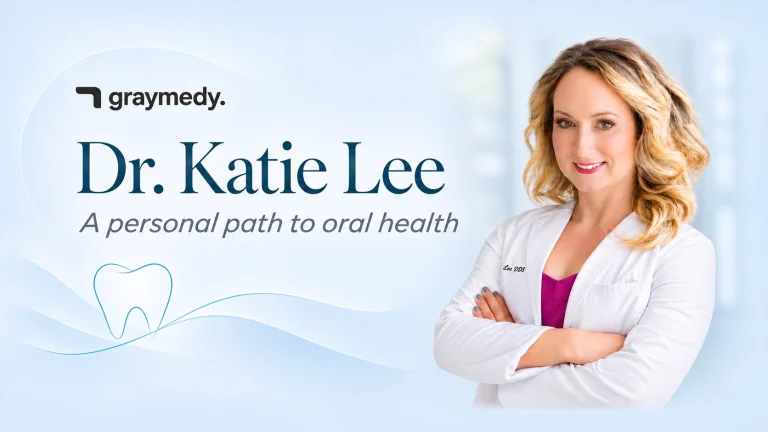
Dr. Katie Lee’s path to dentistry began long before dental school. At 14, an ATV accident caused severe injuries to her face and teeth. Years of treatment and reconstructive surgery followed. In her account of that experience, Lee describes how the care she received shaped her decision to become a dentist and help others facing difficult treatment. Today, Lee is a dentist, author, educator and coach whose work explores oral health and its relationship with the rest of the body. She also mentors dental professionals, an interest that takes her beyond the patients she can see individually. Her story brings together two sides of dentistry: the clinical work of restoring oral health and the human work of helping people feel understood. A patient’s experience becomes a purpose Lee has written about the long recovery after her accident, including the rebuilding of her jaw and treatment with dental implants. She also recalls the emotional difficulty of living through that recovery as a teenager. The experience gave her a personal view of what it means to need complex dental care—and of how much a patient’s confidence and daily life can be affected. She went on to graduate from the University of Illinois Chicago College of Dentistry in 2010. Her career has included practice leadership, education and consulting. She has also written Saved by the Mouth, a book intended to help patients and clinicians think about oral health in a wider context. For Lee, that educational work includes helping other dentists grow. On her own website, she describes mentoring as a way to reach more patients than she could treat alone. “I have two passions in this profession; dentistry itself, and making other dentists successful.” — Dr. Katie Lee, professional website Why the wider picture matters to her Lee’s interest in the relationship between the mouth and general health grew out of her own experience. In a 2024 episode of Dentistry Uncensored, she joins dentist and host Dr. Howard Farran for a discussion about oral-systemic health and empowering women in dentistry. The episode, included below, gives viewers a chance to hear about her work directly. The mouth is part of the body, and oral health can affect comfort, eating and quality of life. Researchers also study associations between gum disease and other health conditions. Those relationships can be complex: an association alone does not establish that one condition causes another, and dental treatment should not replace medical care. Patients can ask their dentist and physician how the evidence applies to them. From her story to everyday care Lee’s journey involved extensive treatment, but prevention remains a useful starting point for everyone. The American Dental Association (ADA) recommends brushing twice a day for two minutes with fluoride toothpaste and cleaning between teeth daily. Regular dental visits should be planned around a person’s individual needs. HabitSimple actionBrushTwice daily, two minutes, with fluoride toothpasteClean between teethOnce daily with floss or an interdental cleanerEat and drinkLimit sugar; choose waterDental visitsFollow your dentist’s recommended schedule Use a soft-bristled toothbrush and gentle strokes, reaching the outer, inner and chewing surfaces. If floss is difficult, ask your dental team about alternatives such as interdental brushes. The right routine is one that fits your mouth and that you can maintain. Making room for the patient Lee’s account of recovery underscores a point that can get lost in discussions of procedures: people arrive at a dental appointment with different histories, worries and resources. If you feel anxious, say so when booking. Ask the team to explain what will happen and agree on a signal if you need a break. Bring a list of medicines and questions. Before non-emergency treatment, ask for a clear explanation of the options, likely benefits, risks and costs. If your mouth often feels dry or you have concerns about a treatment, discuss them with your dentist rather than trying to diagnose the cause yourself. Contact a dentist promptly about persistent pain, bleeding gums, a broken tooth, swelling or a sore that does not heal. Swelling that makes breathing or swallowing difficult requires immediate emergency care. From her years as a patient to her work supporting other dentists, Lee’s story offers a personal perspective on why oral health deserves attention. Her message about education also invites a practical first step: ask questions, build a preventive routine and seek care suited to your own needs. Sources: Dr. Katie Lee’s biography; Dentistry Uncensored episode 1661; ADA home oral care; ADA interdental cleaning. Watch: Dr. Katie Lee on Dentistry Uncensored Dr. Lee discusses oral-systemic health and empowering women in dentistry with Dr. Howard Farran. Watch the full episode on YouTube.
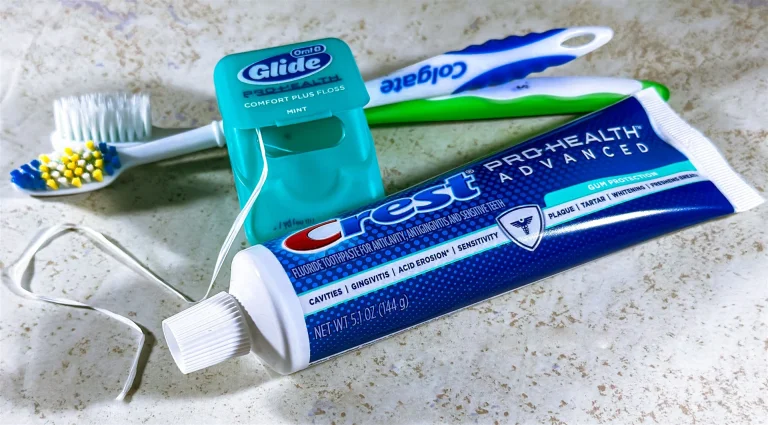
Tooth decay is not a single event. It is a process that develops as the balance between damage and repair shifts at the surface of a tooth. Understanding that balance explains why fluoride, daily cleaning and eating habits all matter—and why a visible hole needs professional care. A microscopic cycle The mouth contains many kinds of bacteria. Some form a sticky film called plaque on teeth. When bacteria in plaque use sugars from food and drinks, they produce acids. Those acids can draw minerals out of enamel, the hard outer surface of a tooth. This mineral loss is called demineralisation. It can happen repeatedly throughout the day, especially when sugary foods and drinks are consumed often. Saliva helps clear food and neutralise acid. It also supplies minerals that can help repair early damage, a process called remineralisation. Teeth move through cycles of mineral loss and repair. If acid attacks occur too often or repair cannot keep up, the enamel can weaken and a cavity can develop. A dry mouth can therefore increase risk; medicines, illness and other factors may reduce saliva. A dentist or doctor can help investigate persistent dryness. Where fluoride fits in Fluoride helps make enamel more resistant to acid and supports remineralisation of early enamel damage. It is available in several forms, including toothpaste and professionally applied varnish; in some communities drinking water is fluoridated. The right combination depends on age, local water supply and individual risk. Ask a dental professional about options rather than assuming every person needs the same extra products. Brush twice daily with fluoride toothpaste. For young children, use an age-appropriate amount and supervise brushing so that toothpaste is spat out rather than swallowed. Local public-health guidance differs on exact amounts and concentrations, so parents can ask their child's dentist or follow guidance where they live. Fluoride products should be stored out of reach of young children and used as directed. Early damage and a cavity are different A white spot can be an early sign of mineral loss. At this stage, a dental professional may recommend measures that support repair and reduce further acid exposure. Once decay has progressed to a physical cavity, the damaged structure does not simply grow back. A dentist may need to remove decay and place a filling. Deeper decay may require more involved treatment, including root canal treatment or extraction in some cases. That distinction is a good reason not to wait for pain. A cavity may be silent at first. A dental visit can identify risk factors and detect problems before they become more extensive. The recommended interval between visits is individual; ask your dentist what makes sense for your teeth and gums. Small changes that shift the balance Clean between teeth daily with floss or another tool recommended by your dental team. A toothbrush does not easily reach every surface between adjacent teeth. Reduce the frequency of sugary snacks and drinks, and choose water between meals when possible. It is the repeated exposure that gives plaque bacteria more opportunities to produce acid, so a pattern of sipping sweet drinks throughout the day can be particularly unhelpful. Sealants provide another preventive option for suitable back teeth. These thin protective coatings cover grooves where food and plaque can collect. They are especially useful for many children and adolescents, although a dentist can advise on suitability at any age. Sealants complement brushing and fluoride; they do not replace them. Make prevention personal Past cavities, exposed roots, braces, dry mouth and limited access to dental care can change a person's risk. Bring these issues up at an appointment and ask for a realistic plan: which toothpaste to use, whether a fluoride treatment or sealant would help, and how often to return. The goal is to make protective habits achievable and address early changes before they become painful or expensive. Sources: National Institute of Dental and Craniofacial Research: The tooth decay process; CDC: About cavities. Photo: Terrance Barksdale / Pexels.
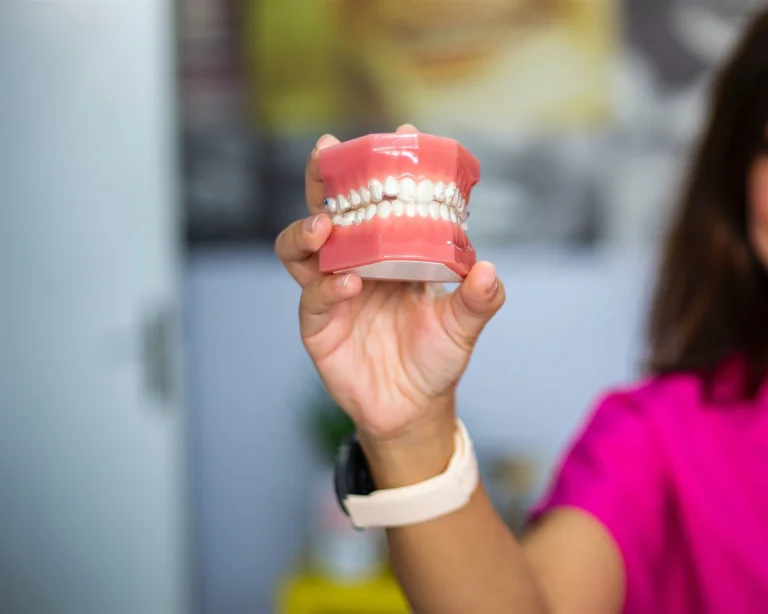
A painful tooth can make an antibiotic seem like the quickest answer. Yet many common causes of dental pain need a procedure, not an antibiotic. Understanding the difference can help patients seek the right care sooner and avoid medicine that may bring side effects without solving the problem. What antibiotics actually do Antibiotics treat certain bacterial infections. They do not repair a cavity, remove a crack or restore inflamed tissue inside a tooth. When the source is trapped inside a tooth or an abscess needs drainage, a dentist may need to perform a procedure such as root canal treatment, drainage or extraction. The appropriate option depends on the diagnosis and the tooth's condition. The American Dental Association's guideline on urgent management of pain and swelling recommends against antibiotics for most pulpal and periapical conditions in adults who are not severely immunocompromised. Instead, it prioritises definitive dental treatment and, when appropriate, pain relief. This is a guideline for a defined set of conditions, not a rule that no dental patient should ever receive antibiotics. When a prescription may be needed A clinician may prescribe antibiotics when an infection has systemic involvement, such as fever or malaise, or when the clinical situation otherwise calls for them. The decision depends on the examination, the patient's medical history, the availability of dental treatment and the risk of complications. People with weakened immune systems or other significant health conditions may need an individual approach. Tell the dentist about medicines, allergies, pregnancy and relevant medical conditions. Even when antibiotics are prescribed, arranging the recommended dental treatment remains essential. Symptoms can improve while the source remains untreated. Ask what procedure is needed, how soon it should happen and whom to contact if symptoms do not improve or return. Do not assume that a course of tablets has cured the tooth. Why unnecessary antibiotics matter Antibiotics can cause unwanted effects, from stomach upset and diarrhoea to allergic reactions. In some cases complications can be serious. Unnecessary use also contributes to antibiotic resistance, making bacterial infections harder to treat. Choosing not to prescribe when the medicine is unlikely to help is an active treatment decision, not a sign that pain is being dismissed. If an antibiotic is prescribed, tell the clinician about any previous reaction to antibiotics and follow the specific directions supplied with your prescription. Contact the prescriber if you have questions about the instructions or develop side effects. Seek emergency help for signs of a severe allergic reaction, such as difficulty breathing or swelling of the face or throat. Do not share antibiotics, use another person's medicine or keep leftovers for a future toothache. What about pain relief? A dentist or pharmacist can advise whether an over-the-counter pain medicine is appropriate while definitive treatment is arranged. The American Dental Association identifies non-opioid medicines as important options for acute dental pain. The safest choice depends on age, medical conditions, other medicines and the product instructions. For example, some people should avoid nonsteroidal anti-inflammatory medicines, and acetaminophen may not be suitable for everyone. Ask before combining products, since ingredients can overlap. Pain relief is temporary. A tooth that feels better still needs the assessment or procedure recommended by the dentist. If the appointment cannot be arranged promptly, ask the practice for a clear plan rather than increasing doses or starting an old prescription on your own. Recognise an emergency Contact a dentist urgently for worsening pain, swelling, fever, a bad taste or difficulty opening the mouth. Rapidly spreading swelling, difficulty swallowing or difficulty breathing requires emergency medical care. Serious dental infections can spread, and emergency assessment should not be delayed while waiting for antibiotics to work. At the visit, a useful question is: “What is causing the pain, and what treatment will remove the source?” The answer may be a filling, root canal treatment, drainage or another intervention. A medicine can have a valuable supporting role, but a diagnosis and a plan for the tooth are central to lasting care. Sources: American Dental Association: Antibiotics for dental pain and swelling; ADA: Oral analgesics for acute dental pain. Photo: Enis Yavuz / Pexels.
A toothache can interrupt sleep, make meals difficult and raise an immediate question: can it wait? The answer depends on the symptoms, but pain is a reason to contact a dentist rather than simply cover it up. Dental problems can have different causes, and finding the cause is the first step toward effective care. Why a tooth can hurt Decay, a cracked tooth, an inflamed nerve, gum disease, an infection or an exposed root can all cause discomfort. Sensitivity to cold or sweet foods may be brief, while pain that lingers, occurs spontaneously or wakes a person from sleep deserves prompt assessment. Pain on biting can have several explanations, including a crack or inflammation around a root. A dentist can distinguish these possibilities through questions, an examination and, when clinically useful, imaging. Not every dental problem causes pain at first. A cavity can grow quietly, and a gum problem may show up as bleeding or swelling rather than a sharp ache. Conversely, pain felt in the mouth does not always start in a tooth. A careful assessment matters because treatment depends on the source, not just the location where discomfort is felt. What happens at the appointment Tell the dental team when the pain began, whether it is constant or triggered, and whether you have swelling, fever, a bad taste or difficulty opening your mouth. Mention recent treatment, an injury and any medicines or medical conditions. The dentist may inspect the tooth and gums, test how the tooth responds and take a targeted X-ray if the answer would guide care. Treatment varies. A small area of decay may need a filling. If damage reaches the pulp inside the tooth, root canal treatment may be considered to preserve it, or extraction may be needed in some circumstances. An abscess may require drainage and treatment of the source. The dentist should explain the options, likely benefits and costs, and what follow-up is needed. When to get urgent help Contact a dentist promptly for toothache with swelling, fever, a bad taste, worsening pain or difficulty opening the mouth. If swelling is rapidly spreading or you have trouble breathing or swallowing, seek emergency care immediately. These symptoms can signal a serious infection. Do not wait for a routine appointment when breathing or swallowing is affected. A knocked-out permanent tooth also needs urgent dental advice. Handle it by the crown rather than the root and contact a dentist immediately for instructions; time matters. For a child with a knocked-out baby tooth, do not put it back into the socket. Ask a dentist for urgent guidance. A severe facial injury or uncontrolled bleeding warrants emergency assessment. Managing discomfort while arranging care Ask a pharmacist or clinician about a suitable over-the-counter pain medicine, taking account of your age, health conditions, other medicines and the package instructions. Some pain relievers are not appropriate for everyone. Avoid placing aspirin directly on the gum, where it can damage tissue. Soft foods and avoiding a painful chewing area may make the wait easier, but they do not repair the underlying problem. Antibiotics are not a substitute for dental treatment and are not needed for most dental pain in otherwise healthy adults. A clinician decides whether they are appropriate, particularly when there are signs of spreading infection or systemic illness. Never take someone else's prescription or leftover antibiotics. After the urgent problem Once pain is controlled, ask about a prevention plan tailored to your risk. Brushing with fluoride toothpaste, cleaning between teeth, reducing frequent sugary snacks and attending recommended dental visits can help prevent future disease. If cost or anxiety has delayed care, tell the practice: discussing payment options, treatment steps and ways to manage anxiety can make the next visit easier. Sources: CDC: About cavities; American Dental Association: Antibiotics for dental pain and swelling. Photo: Kaboompics / Pexels.
A dental examination can reveal a great deal, but the surface of a tooth tells only part of the story. A dentist may recommend an X-ray when information beneath the enamel, between teeth or around roots could change a diagnosis or treatment plan. Digital imaging makes those views available quickly, yet the best image is still the one that answers a specific clinical question. What an X-ray can show Radiographs can help reveal decay between teeth, changes in the bone supporting teeth, problems around roots and the position of teeth that have not emerged. They can also help a clinician plan treatment or investigate symptoms. Images are interpreted alongside a person's examination, history and concerns; a shadow on a screen is not a diagnosis by itself. Common two-dimensional images include bitewings, which show the crowns of upper and lower teeth together and can help assess areas between them, and periapical images, which show a tooth and the area around its root. A panoramic image captures a broader view of the jaws. Each offers different information, so a wider image is not automatically the better choice for every problem. When three dimensions help Cone-beam computed tomography, or CBCT, creates a three-dimensional view of structures in the jaw. It can be useful for selected questions in implant planning, complex root canal assessment or surgery when a two-dimensional image does not provide enough information. It is not a routine upgrade for every check-up. CBCT uses ionising radiation, and the potential benefit must justify the exposure. The smallest appropriate field of view and suitable exposure settings matter. In 2026, the American Dental Association and the American Academy of Oral and Maxillofacial Radiology published updated patient-selection recommendations for both two-dimensional imaging and CBCT. They emphasise a clinical examination first and imaging decisions based on the individual patient. The right interval depends on factors such as age, disease risk, symptoms and previous findings; there is no universal schedule that fits everyone. Digital does not mean radiation-free Digital sensors can deliver images to a screen without film processing and allow clinicians to adjust how an image is displayed. But a digital dental X-ray still uses radiation. Dental exposures are generally a small part of overall medical imaging exposure, and unnecessary examinations should still be avoided. A clinician should weigh expected diagnostic benefit against risk and use appropriate equipment and technique. If you are pregnant, think you may be pregnant, or have a particular concern, tell the dental team before imaging. Discuss why the image is needed, whether the result will affect care now and what precautions apply. Local rules can differ. Previous images may also be useful: ask whether your former practice can share suitable recent radiographs, although a dentist may still need a new view if the clinical question has changed. Before an appointment, gathering a list of recent dental images and the practices that hold them can make the discussion easier. Ask the office how to transfer records securely. If a new image is recommended, the dentist can explain what has changed since the earlier examination and why the additional view is expected to help. Children and adults with different levels of risk may need different approaches, even within the same family. Questions worth asking Patients can ask what the dentist hopes to see, which type of image is proposed, and whether an alternative can answer the same question. It is also reasonable to ask how the result will influence the next step. For a child, ask how the examination and settings are tailored to the child's size and clinical needs. The aim is informed, shared decision-making rather than refusing or accepting an image automatically. Imaging has limits. Early disease may not always be visible, and an image cannot replace examination of the gums, soft tissues and teeth. Equally, a normal-looking tooth can conceal a problem that an appropriate radiograph helps uncover. Used selectively, modern dental imaging is a tool for making decisions with better information, not a substitute for a conversation with the patient. Sources: American Dental Association: X-rays and radiographs; ADA: 2026 imaging recommendations. Photo: Andrea Piacquadio / Pexels.