screening
- Home
- Topic
screening
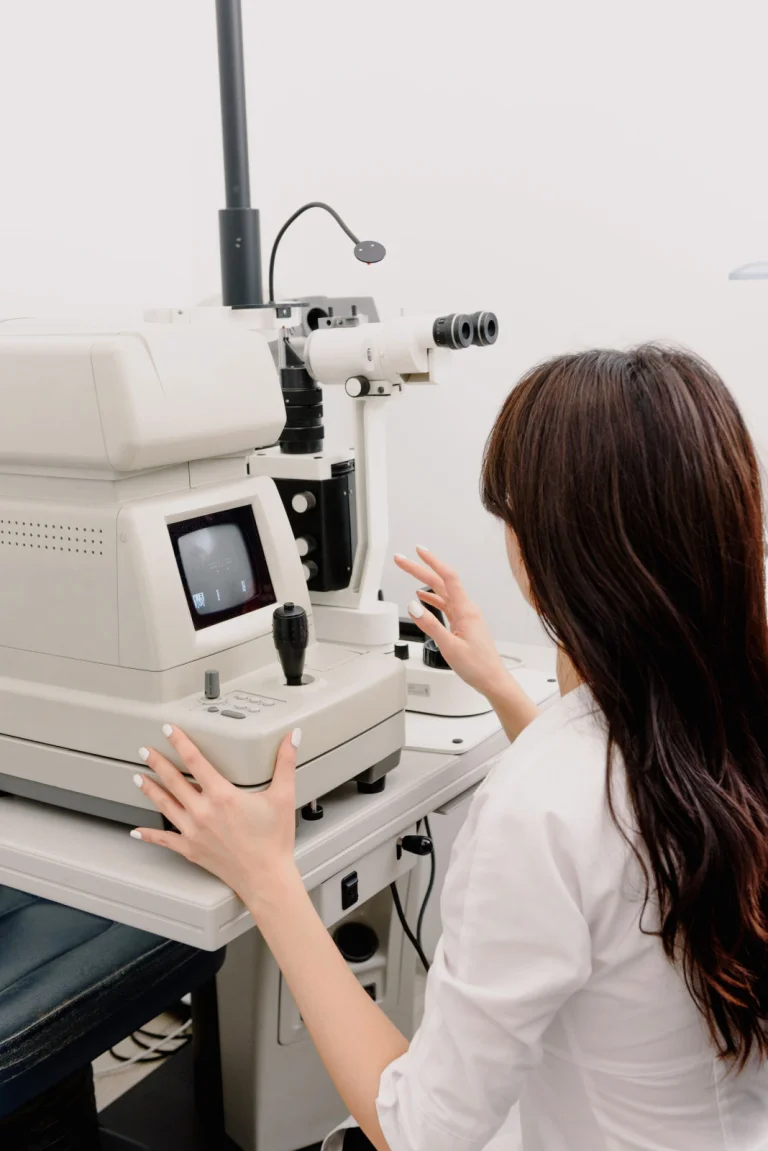
A photograph of the back of the eye can reveal changes that are difficult to notice in daily life. Increasingly, some health services use artificial intelligence to analyze those photographs for signs of diabetic retinopathy, a complication of diabetes that can threaten sight. The technology may make screening easier to arrange, but its value depends on what happens after the image is taken. Diabetic retinopathy affects blood vessels in the retina, the light-sensitive tissue at the back of the eye. Early disease may cause no symptoms. A person who sees clearly can still have changes that require monitoring or treatment, which is why regular eye care matters. What the software looks for A retinal camera records photographs of the retina. An authorized operator follows the device instructions to capture the required views. Software then checks whether the images are adequate and analyzes them for signs associated with diabetic retinopathy. Depending on the system and result, the patient may be advised to have further evaluation by an eye care professional. One example is IDx-DR, an autonomous system reviewed by the United States Food and Drug Administration. FDA documentation describes its use in adults already diagnosed with diabetes to detect more than mild diabetic retinopathy in the specified population. Its use is subject to the device’s instructions and eligibility criteria; not every camera or patient is suitable. Autonomous does not mean the patient receives care without people. Staff must identify eligible patients, take usable photographs, explain results and arrange referrals. An eye specialist evaluates patients who need further care and determines what, if any, treatment is appropriate. Why location matters Screening in a primary care setting can bring a check closer to a place where someone already receives diabetes care. That may help when travel, appointment availability or time away from work makes a separate visit difficult. Whether a particular service improves access depends on its design, cost, availability and follow-up arrangements. Screening is useful only if the result leads to the right next step. A practice needs a process for contacting patients, sending referrals and checking whether an appointment happened. Patients should know whom to call if they have not received a result and how to obtain a copy for their eye doctor. What a result can and cannot say A screening result is not a guarantee that every eye condition has been ruled out. The original FDA review for IDx-DR notes that the device does not screen for glaucoma and does not treat retinopathy. People with diabetes can develop other eye conditions, and a retinal screening result does not automatically replace all aspects of a comprehensive eye examination. Images can also be too unclear for analysis. The FDA’s original review explains that a patient with no result should be retested or referred for eye care. A system can make errors, so symptoms and clinical concerns still matter even after a reassuring result. Ask the service what your result means and which follow-up applies to you. The National Eye Institute advises people with diabetes to have a comprehensive dilated eye exam at least once a year. Discuss your own schedule with your eye care professional, including whether a particular screening test changes any part of your care plan. Recommendations can depend on the person and the local clinical pathway. Questions to ask before screening Ask which condition the test checks, whether it is appropriate for your history and when results will be available. Find out how the service protects and shares your images, who receives the report and whether your insurer covers the test. If a referral is recommended, ask how quickly you should be seen and who will help arrange it. Do not wait for a screening appointment if you suddenly see many new floaters, flashes or a dark curtain across your vision. These may signal retinal detachment, a medical emergency requiring immediate eye or emergency care. AI can add a useful route into eye care when it is used for its intended purpose and connected to reliable follow-up. The goal remains the same as with any screening: find a possible problem early and make sure the person can get the care they need. Sources: FDA device summary; FDA original review; National Eye Institute: diabetic retinopathy; retinal detachment.