
skin care
- Home
- Topic
skin care

A weekly check-in A simple weekly review can help you notice what is working. Is your skin comfortable after washing? Are dry patches improving? Does a product consistently sting? Adjust gently and record persistent symptoms rather than adding several new products at once. Keep sunscreen and a hat where they are easy to reach, particularly on days spent outdoors. For families, routines can be shared without requiring everyone to use identical products. A child with sensitive skin, an adult using prescribed treatment and someone with oily skin may each need different choices. A clinician or pharmacist can help with persistent symptoms and questions about specific products. Skin care works best when it fits the person rather than the latest trend. Skin can feel dry, oily, sensitive or different in different areas, and its needs may change with age, climate or treatment. A straightforward routine built around gentle cleansing, moisturizing and sun protection is a practical place to begin. Build a simple routine Wash with lukewarm water and a mild, non-abrasive cleanser. Use your fingertips instead of a rough cloth and pat the skin dry. Washing twice a day and after heavy sweating is usually enough; frequent scrubbing can irritate the skin. A gentle cleanser can help remove oil and dirt without leaving the face feeling tight. Next, apply moisturizer, ideally while the skin is still slightly damp. Creams or ointments may help dry skin, while a lighter lotion or gel may feel more comfortable on oily areas. Look for fragrance-free products if your skin is sensitive and for “non-comedogenic” products if clogged pores are a concern. Price alone does not determine whether a product will suit you. Protect exposed skin with broad-spectrum, water-resistant sunscreen rated SPF 30 or higher. Reapply about every two hours when outdoors and after swimming or sweating, following the product instructions. Shade, a wide-brimmed hat and protective clothing provide additional protection. Sun protection matters for every skin tone, even when sunburn is less noticeable. Adapt to your skin type Dry skin can feel rough, flaky or itchy. Use a gentle cleanser and a fragrance-free cream, and avoid long, hot showers. If the skin remains very itchy or cracks despite basic care, a clinician can check for an underlying condition. Oily or acne-prone skin still needs gentle care. Choose lightweight products labeled non-comedogenic and avoid squeezing spots or using abrasive scrubs. Persistent, painful or scarring acne deserves professional attention; effective treatment depends on its severity and the individual. Combination skin may be oily in some areas and dry in others. A light moisturizer over the face, with a richer cream on dry patches when needed, can be more comfortable than treating every area identically. Sensitive skin may sting or react to products. Introduce one new product at a time and test it on a small area before broader use. Stop using it if irritation develops. Care across ages and circumstances For tweens and teens, a gentle cleanser, fragrance-free moisturizer and sunscreen form a sensible foundation. Products marketed for signs of aging, including retinol and exfoliating acids, may irritate young skin. A dermatologist can advise on suitable acne care. For infants under six months, prioritize shade and protective clothing and ask a pediatrician about sun protection. People with eczema, rosacea, persistent rashes or other skin conditions may need a plan tailored by a health professional. Pregnancy, breastfeeding, medication use and allergies can also affect product choices. Avoid assuming that “natural” means a product cannot cause irritation. Know when to ask for help See a qualified health professional for persistent itching, a rash that keeps returning, acne that is painful or scarring, or a spot that changes in size, shape or color. Seek prompt care for a severe reaction. A small, consistent routine and timely medical advice usually serve skin better than adding many products at once. Sources: American Academy of Dermatology: Skin care on a budget; Dermatologist’s guide to skincare for young people; 10 skin care secrets. General information is not a substitute for individualized medical advice.

Understanding the skin barrier The outer layer of skin helps limit water loss and provides a barrier against the environment. Frequent scrubbing, harsh cleansers or exposure to irritants can leave skin feeling dry and uncomfortable. Moisturizers help retain water, while sunscreen and protective clothing reduce exposure to ultraviolet radiation. These everyday habits support the skin’s normal protective role. Skin appearance varies widely and changes with age and environment. A product that suits one person may irritate another, so individual response matters more than a universal formula. Claims that a product can repair every concern should be treated cautiously. If symptoms do not improve, assessment can identify whether a condition needs specific treatment. Skin care works best when it fits the person rather than the latest trend. Skin can feel dry, oily, sensitive or different in different areas, and its needs may change with age, climate or treatment. A straightforward routine built around gentle cleansing, moisturizing and sun protection is a practical place to begin. Build a simple routine Wash with lukewarm water and a mild, non-abrasive cleanser. Use your fingertips instead of a rough cloth and pat the skin dry. Washing twice a day and after heavy sweating is usually enough; frequent scrubbing can irritate the skin. A gentle cleanser can help remove oil and dirt without leaving the face feeling tight. Next, apply moisturizer, ideally while the skin is still slightly damp. Creams or ointments may help dry skin, while a lighter lotion or gel may feel more comfortable on oily areas. Look for fragrance-free products if your skin is sensitive and for “non-comedogenic” products if clogged pores are a concern. Price alone does not determine whether a product will suit you. Protect exposed skin with broad-spectrum, water-resistant sunscreen rated SPF 30 or higher. Reapply about every two hours when outdoors and after swimming or sweating, following the product instructions. Shade, a wide-brimmed hat and protective clothing provide additional protection. Sun protection matters for every skin tone, even when sunburn is less noticeable. Adapt to your skin type Dry skin can feel rough, flaky or itchy. Use a gentle cleanser and a fragrance-free cream, and avoid long, hot showers. If the skin remains very itchy or cracks despite basic care, a clinician can check for an underlying condition. Oily or acne-prone skin still needs gentle care. Choose lightweight products labeled non-comedogenic and avoid squeezing spots or using abrasive scrubs. Persistent, painful or scarring acne deserves professional attention; effective treatment depends on its severity and the individual. Combination skin may be oily in some areas and dry in others. A light moisturizer over the face, with a richer cream on dry patches when needed, can be more comfortable than treating every area identically. Sensitive skin may sting or react to products. Introduce one new product at a time and test it on a small area before broader use. Stop using it if irritation develops. Care across ages and circumstances For tweens and teens, a gentle cleanser, fragrance-free moisturizer and sunscreen form a sensible foundation. Products marketed for signs of aging, including retinol and exfoliating acids, may irritate young skin. A dermatologist can advise on suitable acne care. For infants under six months, prioritize shade and protective clothing and ask a pediatrician about sun protection. People with eczema, rosacea, persistent rashes or other skin conditions may need a plan tailored by a health professional. Pregnancy, breastfeeding, medication use and allergies can also affect product choices. Avoid assuming that “natural” means a product cannot cause irritation. Know when to ask for help See a qualified health professional for persistent itching, a rash that keeps returning, acne that is painful or scarring, or a spot that changes in size, shape or color. Seek prompt care for a severe reaction. A small, consistent routine and timely medical advice usually serve skin better than adding many products at once. Sources: American Academy of Dermatology: Skin care on a budget; Dermatologist’s guide to skincare for young people; 10 skin care secrets. General information is not a substitute for individualized medical advice.
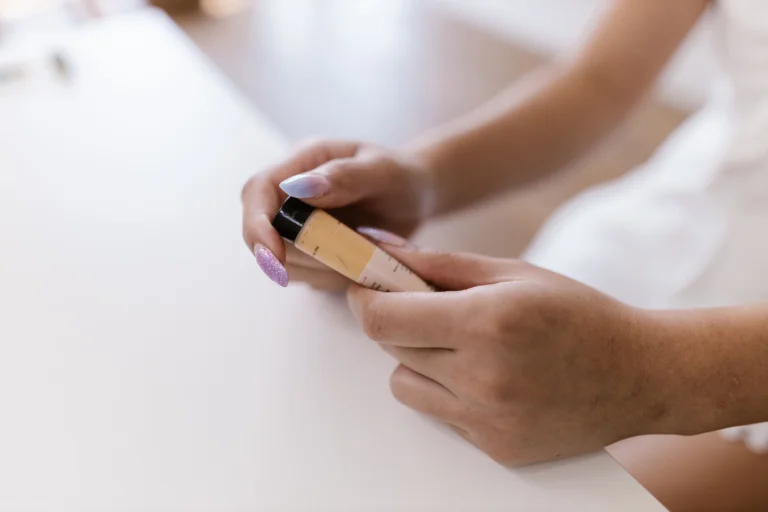
Using skin treatments thoughtfully Moisturizers and sunscreens support daily care, while medicines treat specific conditions. Acne products and prescription creams can cause dryness or irritation, and more frequent use does not necessarily produce faster results. Follow the label or the directions of your clinician or pharmacist. Apply prescribed medication as instructed, and ask how to combine it with moisturizer and sunscreen. Tell your clinician about other products and medicines you use, as well as pregnancy, plans for pregnancy or breastfeeding. Some treatments are unsuitable in these circumstances. Do not apply another person’s prescription or use strong steroid creams on the face without professional advice. If a treatment causes severe swelling, blistering or breathing difficulty, seek urgent care. Skin care works best when it fits the person rather than the latest trend. Skin can feel dry, oily, sensitive or different in different areas, and its needs may change with age, climate or treatment. A straightforward routine built around gentle cleansing, moisturizing and sun protection is a practical place to begin. Build a simple routine Wash with lukewarm water and a mild, non-abrasive cleanser. Use your fingertips instead of a rough cloth and pat the skin dry. Washing twice a day and after heavy sweating is usually enough; frequent scrubbing can irritate the skin. A gentle cleanser can help remove oil and dirt without leaving the face feeling tight. Next, apply moisturizer, ideally while the skin is still slightly damp. Creams or ointments may help dry skin, while a lighter lotion or gel may feel more comfortable on oily areas. Look for fragrance-free products if your skin is sensitive and for “non-comedogenic” products if clogged pores are a concern. Price alone does not determine whether a product will suit you. Protect exposed skin with broad-spectrum, water-resistant sunscreen rated SPF 30 or higher. Reapply about every two hours when outdoors and after swimming or sweating, following the product instructions. Shade, a wide-brimmed hat and protective clothing provide additional protection. Sun protection matters for every skin tone, even when sunburn is less noticeable. Adapt to your skin type Dry skin can feel rough, flaky or itchy. Use a gentle cleanser and a fragrance-free cream, and avoid long, hot showers. If the skin remains very itchy or cracks despite basic care, a clinician can check for an underlying condition. Oily or acne-prone skin still needs gentle care. Choose lightweight products labeled non-comedogenic and avoid squeezing spots or using abrasive scrubs. Persistent, painful or scarring acne deserves professional attention; effective treatment depends on its severity and the individual. Combination skin may be oily in some areas and dry in others. A light moisturizer over the face, with a richer cream on dry patches when needed, can be more comfortable than treating every area identically. Sensitive skin may sting or react to products. Introduce one new product at a time and test it on a small area before broader use. Stop using it if irritation develops. Care across ages and circumstances For tweens and teens, a gentle cleanser, fragrance-free moisturizer and sunscreen form a sensible foundation. Products marketed for signs of aging, including retinol and exfoliating acids, may irritate young skin. A dermatologist can advise on suitable acne care. For infants under six months, prioritize shade and protective clothing and ask a pediatrician about sun protection. People with eczema, rosacea, persistent rashes or other skin conditions may need a plan tailored by a health professional. Pregnancy, breastfeeding, medication use and allergies can also affect product choices. Avoid assuming that “natural” means a product cannot cause irritation. Know when to ask for help See a qualified health professional for persistent itching, a rash that keeps returning, acne that is painful or scarring, or a spot that changes in size, shape or color. Seek prompt care for a severe reaction. A small, consistent routine and timely medical advice usually serve skin better than adding many products at once. Sources: American Academy of Dermatology: Skin care on a budget; Dermatologist’s guide to skincare for young people; 10 skin care secrets. General information is not a substitute for individualized medical advice.

Where technology can help Digital reminders can make sunscreen reapplication and medication schedules easier to remember, while teledermatology may help some people discuss a concern when an in-person visit is difficult. Clear photographs taken in consistent lighting can be useful for a clinician, but an app’s assessment is not a diagnosis. Image quality, lighting and performance across different skin tones can affect what a tool detects. Before sharing a skin photograph, check who receives it, how it will be stored and whether it can be deleted. Use a trusted service and do not delay an in-person assessment of a changing spot or an urgent problem. A device or app should support, not replace, advice tailored to your health. Skin care works best when it fits the person rather than the latest trend. Skin can feel dry, oily, sensitive or different in different areas, and its needs may change with age, climate or treatment. A straightforward routine built around gentle cleansing, moisturizing and sun protection is a practical place to begin. Build a simple routine Wash with lukewarm water and a mild, non-abrasive cleanser. Use your fingertips instead of a rough cloth and pat the skin dry. Washing twice a day and after heavy sweating is usually enough; frequent scrubbing can irritate the skin. A gentle cleanser can help remove oil and dirt without leaving the face feeling tight. Next, apply moisturizer, ideally while the skin is still slightly damp. Creams or ointments may help dry skin, while a lighter lotion or gel may feel more comfortable on oily areas. Look for fragrance-free products if your skin is sensitive and for “non-comedogenic” products if clogged pores are a concern. Price alone does not determine whether a product will suit you. Protect exposed skin with broad-spectrum, water-resistant sunscreen rated SPF 30 or higher. Reapply about every two hours when outdoors and after swimming or sweating, following the product instructions. Shade, a wide-brimmed hat and protective clothing provide additional protection. Sun protection matters for every skin tone, even when sunburn is less noticeable. Adapt to your skin type Dry skin can feel rough, flaky or itchy. Use a gentle cleanser and a fragrance-free cream, and avoid long, hot showers. If the skin remains very itchy or cracks despite basic care, a clinician can check for an underlying condition. Oily or acne-prone skin still needs gentle care. Choose lightweight products labeled non-comedogenic and avoid squeezing spots or using abrasive scrubs. Persistent, painful or scarring acne deserves professional attention; effective treatment depends on its severity and the individual. Combination skin may be oily in some areas and dry in others. A light moisturizer over the face, with a richer cream on dry patches when needed, can be more comfortable than treating every area identically. Sensitive skin may sting or react to products. Introduce one new product at a time and test it on a small area before broader use. Stop using it if irritation develops. Care across ages and circumstances For tweens and teens, a gentle cleanser, fragrance-free moisturizer and sunscreen form a sensible foundation. Products marketed for signs of aging, including retinol and exfoliating acids, may irritate young skin. A dermatologist can advise on suitable acne care. For infants under six months, prioritize shade and protective clothing and ask a pediatrician about sun protection. People with eczema, rosacea, persistent rashes or other skin conditions may need a plan tailored by a health professional. Pregnancy, breastfeeding, medication use and allergies can also affect product choices. Avoid assuming that “natural” means a product cannot cause irritation. Know when to ask for help See a qualified health professional for persistent itching, a rash that keeps returning, acne that is painful or scarring, or a spot that changes in size, shape or color. Seek prompt care for a severe reaction. A small, consistent routine and timely medical advice usually serve skin better than adding many products at once. Sources: American Academy of Dermatology: Skin care on a budget; Dermatologist’s guide to skincare for young people; 10 skin care secrets. General information is not a substitute for individualized medical advice.

Make the routine manageable Choose a few products you can use consistently. In the morning, cleanse gently if needed, moisturize and apply sunscreen. At night, wash away the day’s sunscreen and dirt, then moisturize. If a clinician has prescribed a treatment, follow their instructions about where it belongs in your routine. Changes in weather, work, exercise or medication may call for adjustments. Keep a note of products that cause stinging or a rash and share it at your appointment. Introducing one new item at a time makes a reaction easier to identify. If symptoms persist, avoid repeatedly experimenting with strong products and arrange an assessment. Skin care works best when it fits the person rather than the latest trend. Skin can feel dry, oily, sensitive or different in different areas, and its needs may change with age, climate or treatment. A straightforward routine built around gentle cleansing, moisturizing and sun protection is a practical place to begin. Build a simple routine Wash with lukewarm water and a mild, non-abrasive cleanser. Use your fingertips instead of a rough cloth and pat the skin dry. Washing twice a day and after heavy sweating is usually enough; frequent scrubbing can irritate the skin. A gentle cleanser can help remove oil and dirt without leaving the face feeling tight. Next, apply moisturizer, ideally while the skin is still slightly damp. Creams or ointments may help dry skin, while a lighter lotion or gel may feel more comfortable on oily areas. Look for fragrance-free products if your skin is sensitive and for “non-comedogenic” products if clogged pores are a concern. Price alone does not determine whether a product will suit you. Protect exposed skin with broad-spectrum, water-resistant sunscreen rated SPF 30 or higher. Reapply about every two hours when outdoors and after swimming or sweating, following the product instructions. Shade, a wide-brimmed hat and protective clothing provide additional protection. Sun protection matters for every skin tone, even when sunburn is less noticeable. Adapt to your skin type Dry skin can feel rough, flaky or itchy. Use a gentle cleanser and a fragrance-free cream, and avoid long, hot showers. If the skin remains very itchy or cracks despite basic care, a clinician can check for an underlying condition. Oily or acne-prone skin still needs gentle care. Choose lightweight products labeled non-comedogenic and avoid squeezing spots or using abrasive scrubs. Persistent, painful or scarring acne deserves professional attention; effective treatment depends on its severity and the individual. Combination skin may be oily in some areas and dry in others. A light moisturizer over the face, with a richer cream on dry patches when needed, can be more comfortable than treating every area identically. Sensitive skin may sting or react to products. Introduce one new product at a time and test it on a small area before broader use. Stop using it if irritation develops. Care across ages and circumstances For tweens and teens, a gentle cleanser, fragrance-free moisturizer and sunscreen form a sensible foundation. Products marketed for signs of aging, including retinol and exfoliating acids, may irritate young skin. A dermatologist can advise on suitable acne care. For infants under six months, prioritize shade and protective clothing and ask a pediatrician about sun protection. People with eczema, rosacea, persistent rashes or other skin conditions may need a plan tailored by a health professional. Pregnancy, breastfeeding, medication use and allergies can also affect product choices. Avoid assuming that “natural” means a product cannot cause irritation. Know when to ask for help See a qualified health professional for persistent itching, a rash that keeps returning, acne that is painful or scarring, or a spot that changes in size, shape or color. Seek prompt care for a severe reaction. A small, consistent routine and timely medical advice usually serve skin better than adding many products at once. Sources: American Academy of Dermatology: Skin care on a budget; Dermatologist’s guide to skincare for young people; 10 skin care secrets. General information is not a substitute for individualized medical advice.