children
- Home
- Topic
children
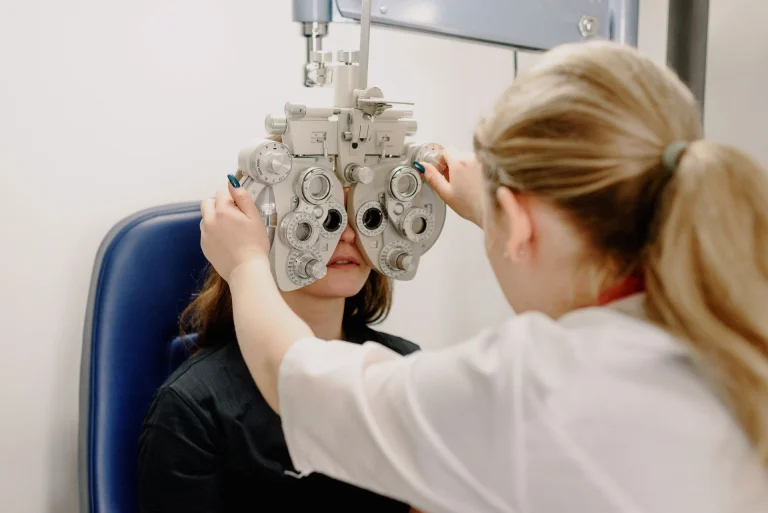
When a child struggles to read a distant classroom board but sees a book clearly, nearsightedness may be one explanation. Known medically as myopia, it usually develops during childhood and can progress as the eyes grow. Researchers are studying how to slow that progression and what early intervention might mean for lifelong eye health. In myopia, the eye commonly grows too long from front to back. Light from distant objects focuses in front of the retina, the light-sensitive tissue at the back of the eye, instead of on it. Glasses or contact lenses can correct the resulting blur, helping a child see clearly while wearing them. Why researchers look beyond the prescription A changing prescription is a familiar part of childhood eye care, but researchers also study the length of the eye and how quickly it changes. Higher levels of myopia are associated with increased risks of eye problems later in life, including retinal detachment, glaucoma and myopic maculopathy. These associations do not mean that every child with myopia will develop these conditions. Slowing progression is therefore a different goal from correcting blur today. A pair of ordinary glasses can provide clear vision, while a myopia-management plan aims to reduce how quickly nearsightedness worsens. An eye care professional can explain which choices are appropriate for a particular child and monitor how the eyes respond. A new study compares approaches In June 2026, the US National Eye Institute announced a multicenter clinical trial through the Pediatric Eye Disease Investigator Group. The study will evaluate specialized eyeglasses, 0.05% atropine eye drops, and the combination of both approaches in children. The trial is designed to test how these strategies affect progression; its announcement is not a report of final results. Specialized lenses alter how light is focused in ways intended to influence eye growth. Low-dose atropine is a medicine placed in the eye, although researchers are still investigating exactly how it affects myopia progression. These are distinct approaches, and a study comparing them can help clarify whether their effects differ or whether a combination offers an advantage. Not every product or dose is interchangeable. Effectiveness, availability, side effects and regulatory status can differ by country and by treatment. Families should discuss the evidence and practical details with a qualified eye care professional rather than starting a medicine or ordering a device on their own. Where outdoor time fits Research summarized by the National Eye Institute has linked more time outdoors with a lower chance of myopia onset in children. Scientists continue to investigate the mechanisms, including the role of light. Outdoor time is a useful part of a child’s broader routine, but it does not guarantee prevention or replace an eye examination when vision is blurred. Make outdoor play safe and age appropriate, including sun protection when needed. A child who already has myopia still needs the correction and follow-up recommended by their eye care professional. Families should ask how frequently the prescription and eye health should be reassessed. What parents can watch for A child may squint, move close to a television, complain about seeing the board or avoid activities that require distance vision. Some children do not realize their view is blurry and may not complain. Vision screening can identify concerns, but a comprehensive examination is needed to diagnose a problem and choose care. If myopia is diagnosed, ask how quickly it is progressing and what options are available locally. Questions might include the expected benefit, possible adverse effects, cost, follow-up schedule and what happens if a treatment is difficult to use. Decisions should reflect the child’s age, prescription, eye health and family circumstances. Research into myopia is moving from describing a widespread problem toward testing ways to change its course. The 2026 trial will add evidence when results are available. For families today, clear vision, regular assessment and a conversation about individualized options are useful places to begin. Sources: National Eye Institute: 2026 myopia trial; global perspectives on childhood myopia; myopia research overview.