- Home
- Health Science
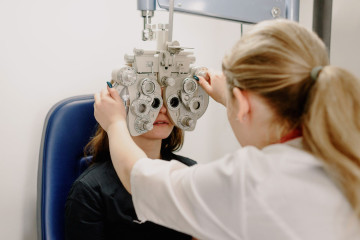
- Why Childhood Myopia Is a Growing Research Focus
Why Childhood Myopia Is a Growing Research Focus
Researchers are comparing ways to slow childhood nearsightedness. Here is what families should know about the science and the 2026 trial.
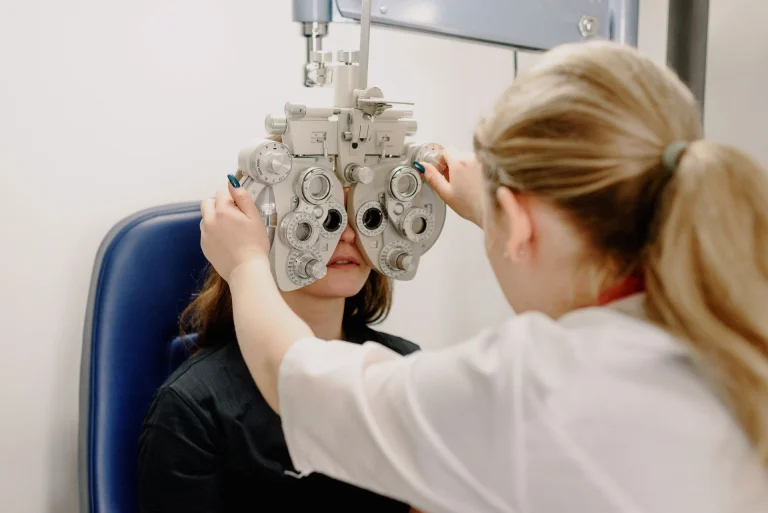
When a child struggles to read a distant classroom board but sees a book clearly, nearsightedness may be one explanation. Known medically as myopia, it usually develops during childhood and can progress as the eyes grow. Researchers are studying how to slow that progression and what early intervention might mean for lifelong eye health.
In myopia, the eye commonly grows too long from front to back. Light from distant objects focuses in front of the retina, the light-sensitive tissue at the back of the eye, instead of on it. Glasses or contact lenses can correct the resulting blur, helping a child see clearly while wearing them.
Why researchers look beyond the prescription
A changing prescription is a familiar part of childhood eye care, but researchers also study the length of the eye and how quickly it changes. Higher levels of myopia are associated with increased risks of eye problems later in life, including retinal detachment, glaucoma and myopic maculopathy. These associations do not mean that every child with myopia will develop these conditions.
Slowing progression is therefore a different goal from correcting blur today. A pair of ordinary glasses can provide clear vision, while a myopia-management plan aims to reduce how quickly nearsightedness worsens. An eye care professional can explain which choices are appropriate for a particular child and monitor how the eyes respond.
A new study compares approaches
In June 2026, the US National Eye Institute announced a multicenter clinical trial through the Pediatric Eye Disease Investigator Group. The study will evaluate specialized eyeglasses, 0.05% atropine eye drops, and the combination of both approaches in children. The trial is designed to test how these strategies affect progression; its announcement is not a report of final results.
Specialized lenses alter how light is focused in ways intended to influence eye growth. Low-dose atropine is a medicine placed in the eye, although researchers are still investigating exactly how it affects myopia progression. These are distinct approaches, and a study comparing them can help clarify whether their effects differ or whether a combination offers an advantage.
Not every product or dose is interchangeable. Effectiveness, availability, side effects and regulatory status can differ by country and by treatment. Families should discuss the evidence and practical details with a qualified eye care professional rather than starting a medicine or ordering a device on their own.
Where outdoor time fits
Research summarized by the National Eye Institute has linked more time outdoors with a lower chance of myopia onset in children. Scientists continue to investigate the mechanisms, including the role of light. Outdoor time is a useful part of a child’s broader routine, but it does not guarantee prevention or replace an eye examination when vision is blurred.
Make outdoor play safe and age appropriate, including sun protection when needed. A child who already has myopia still needs the correction and follow-up recommended by their eye care professional. Families should ask how frequently the prescription and eye health should be reassessed.
What parents can watch for
A child may squint, move close to a television, complain about seeing the board or avoid activities that require distance vision. Some children do not realize their view is blurry and may not complain. Vision screening can identify concerns, but a comprehensive examination is needed to diagnose a problem and choose care.
If myopia is diagnosed, ask how quickly it is progressing and what options are available locally. Questions might include the expected benefit, possible adverse effects, cost, follow-up schedule and what happens if a treatment is difficult to use. Decisions should reflect the child’s age, prescription, eye health and family circumstances.
Research into myopia is moving from describing a widespread problem toward testing ways to change its course. The 2026 trial will add evidence when results are available. For families today, clear vision, regular assessment and a conversation about individualized options are useful places to begin.
Sources: National Eye Institute: 2026 myopia trial; global perspectives on childhood myopia; myopia research overview.



Health Science
View more
Arteries are living tissues, not fixed pipes. Their walls respond to blood pressure, circulating substances and inflammatory signals. Atherosclerosis develops when plaque builds within those walls, creating changes that can restrict blood flow or contribute to a sudden blockage. Understanding the process helps explain why prevention involves more than looking for symptoms. The National Heart, Lung, and Blood Institute describes plaque as a mixture that includes cholesterol, fat, blood cells and other substances. It develops gradually and can affect arteries supplying the heart, brain, kidneys or limbs. The consequences depend partly on which blood vessels are involved. How the process develops Damage to the inner artery wall helps begin plaque formation. NHLBI explains that inflammatory cells travel to affected areas and release signals that encourage cholesterol and cellular waste to accumulate. White blood cells take up cholesterol and gather within the developing plaque. This is why the process cannot be understood simply as fat sticking to an otherwise unchanged tube. The artery wall and immune system participate. High blood pressure, smoking, diabetes and unhealthy cholesterol levels can contribute to risk, while inherited factors may also influence what happens over a lifetime. Risk factors often occur together. A family history does not make prevention pointless, and a healthy appearance does not establish that risk is low. A useful assessment considers the combination rather than selecting a single reassuring measurement or blaming the person for a condition shaped by several influences. Narrowing is only part of the problem As plaque grows, the space available for blood flow can become smaller. Tissues may then receive less oxygen-rich blood. In the arteries supplying the heart, reduced blood flow can cause angina. In other locations, the symptoms and complications are different. A plaque can also rupture, allowing a blood clot to form. That clot may severely reduce or block circulation. NHLBI links these events with serious problems including heart attack and stroke. Gradual development and sudden complications therefore belong to the same disease process. Why symptoms cannot measure all risk Early atherosclerosis may not cause obvious symptoms. The absence of chest pain is not a reliable test of the health of every artery. Conversely, chest discomfort can have several causes and needs an appropriate clinical assessment rather than an assumption based on an online description. Symptoms depend on the circulation affected. A clinician may ask about discomfort during activity, changes in walking tolerance or neurological symptoms, alongside medical and family history. Sudden symptoms suggesting a heart attack or stroke require emergency care. A routine risk appointment is not a substitute for urgent assessment. What testing can and cannot explain Assessment can include blood pressure, cholesterol and blood sugar measurements. NHLBI also describes risk calculators and further tests selected according to the clinical question. The purpose is to connect personal history and measurements with a decision, not to order every available scan. Ask what a proposed test would change. Is it intended to estimate future risk, investigate a symptom or plan treatment for known disease? These are different tasks. Understanding the question makes it easier to understand why one person needs imaging while another begins with risk-factor management and follow-up. Reducing risk over time Treatment can include changes in daily habits, cholesterol-lowering medicines and management of blood pressure or diabetes. Some people need procedures when blood flow is dangerously compromised. A procedure treats a particular problem, while the broader risk-management plan addresses the continuing disease process. Keep copies of relevant results so you can discuss trends with your clinician. Ask which risk factors are most important in your situation, what action has been agreed and when it will be reviewed. A family history of early cardiovascular disease is useful information to share. It can prompt a more informed discussion without establishing a diagnosis on its own. The purpose of assessment is a clear plan, with uncertainties explained, rather than a reassuring number without context. NHLBI notes that some plaque can stabilise or regress with effective treatment, but severe disease may not be fully reversible. That is not a promise that a supplement or a short diet will clear arteries. The practical goal is to reduce future harm through an individual plan, supported by follow-up and clear explanations. Understanding the biology makes those sustained steps easier to connect with their purpose. Sources www.nhlbi.nih.gov: atherosclerosis www.nhlbi.nih.gov: causes www.nhlbi.nih.gov: diagnosis www.nhlbi.nih.gov: treatment www.nhlbi.nih.gov: symptoms
Why Childhood Myopia Is a Growing Research Focus

How Tooth Decay Starts and How Fluoride Helps Protect Enamel
The Science of Everyday Skin Care for Every Skin Type
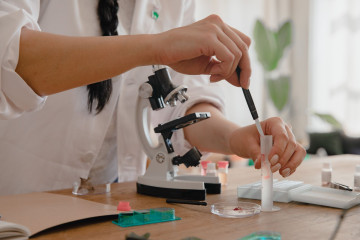
Researchers have assembled a detailed cell-by-cell map of the basal ganglia, a group of brain structures involved in movement, learning and attention. The resource offers scientists a new way to study how these structures develop and how particular cells may be involved in neurological and psychiatric conditions. The National Institutes of Health announced the work on November 12, 2026. Supported by the NIH BRAIN Initiative Cell Atlas Network, the atlas brings together information about the identities, activity and locations of millions of cells. A collection of 27 papers describes the data, analytical tools and early research findings. The basal ganglia help coordinate the selection and execution of actions. They are made up of several interconnected structures and many types of cells, rather than one uniform tissue. Understanding which cells are present and where they sit can give researchers a more precise starting point for examining the circuits involved in health and disease. How the map was built Scientists used single-cell sequencing on donated postmortem human brain tissue to catalogue cellular characteristics and activity. They then used imaging methods to connect those characteristics to locations within a three-dimensional anatomical framework. The resulting atlases include neurons as well as glial cells, which support and interact with neurons. The project also looked across development, giving researchers clues about how these cell populations emerge. Atlases covering non-human primates, marmosets and mice provide additional reference points for work in experimental models. Those comparisons can be useful, but findings in animals still need careful testing before they can be applied to people. A cell atlas is a reference resource, not a diagnostic test. It helps researchers describe and compare tissue with greater detail; it does not by itself tell a patient whether they have a condition or establish a new treatment. The quality and scope of any later conclusion depend on the samples and methods used in that particular study. Early questions about disease One group used the atlas to organize sequencing data from human tissue associated with autism. The researchers identified potential changes in some cell populations in the striatum, a part of the basal ganglia that receives extensive input from other brain regions. NIH said these patterns might have been missed by standard approaches. That finding is a lead for further investigation, not proof that a single cell type causes autism or an immediate change to care. Additional work is needed to understand how consistently the observations appear, how they relate to development and what they mean for individuals. Another study built on methods that use genetic regulatory elements, called enhancers, to target particular cells. In mouse models of Parkinson’s disease, researchers used one such element to increase a dopamine precursor in striatal cells. NIH reported improvements in symptoms and a reduction in the severity of common side effects in those models. The mouse findings are preliminary. A result in an experimental model does not establish safety or effectiveness in people, and much more research would be required before it could support a clinical treatment. An open resource for further work Alongside the biological findings, the collection describes tools that help scientists prepare data, compare samples against the atlas and explore the basal ganglia through a web-based platform. A separate information-management platform helps align studied tissue samples to a standardized three-dimensional brain atlas. These resources may make it easier for researchers in different laboratories to ask comparable questions and investigate particular cell populations. Over time, the value of the project will depend on how well its maps are validated, extended to diverse samples and used to test hypotheses about brain function and disease. For now, the atlas provides a more detailed reference for basic neuroscience. It offers routes to future discovery while leaving a clear gap between mapping cells and proving that a proposed intervention improves people’s lives. Source: National Institutes of Health, 12 November 2026. Image: Asamoah Daniel Kwame Oware / Wikimedia Commons, CC0; students using a microscope, shown for illustration and not identified as study participants.
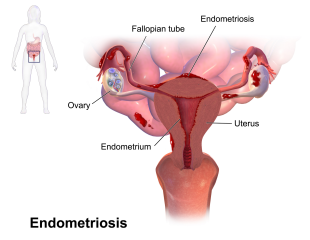
Study maps new genetic links to endometriosis
What gut microbes can reveal about inflammatory bowel disease
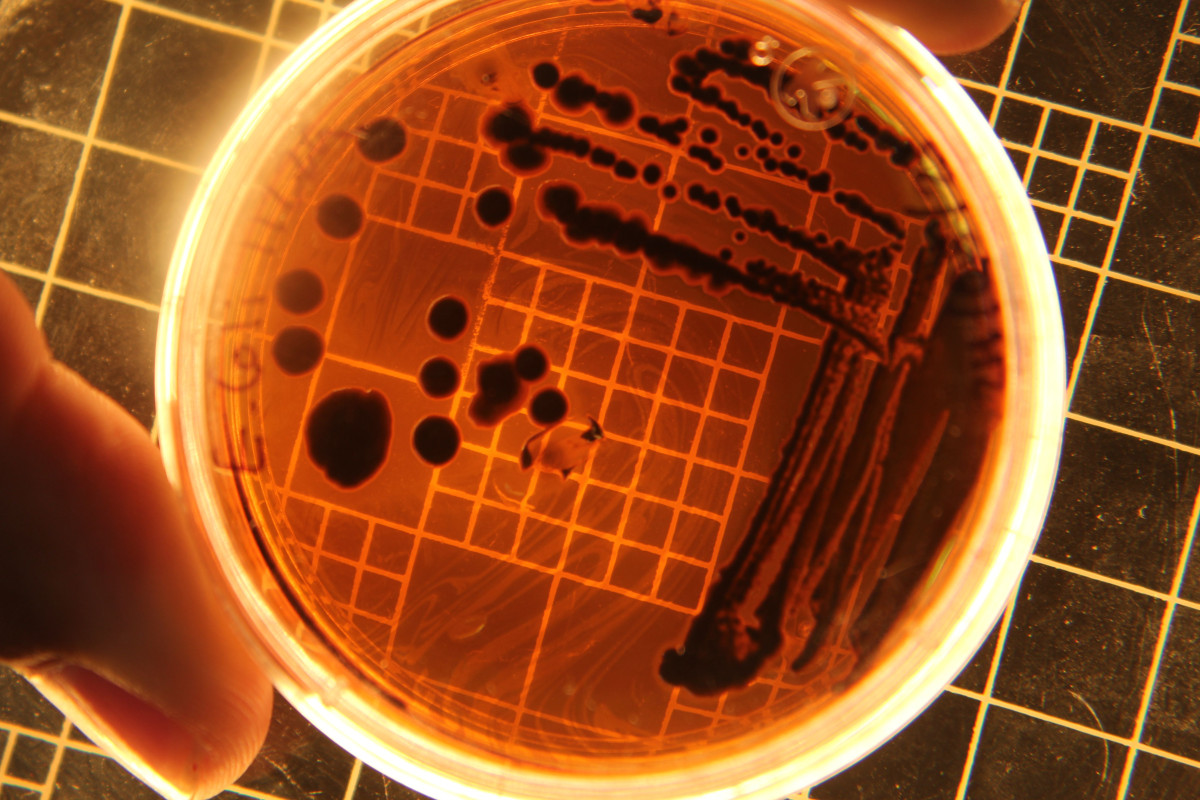
After antibiotics: what happens to the gut microbiome?
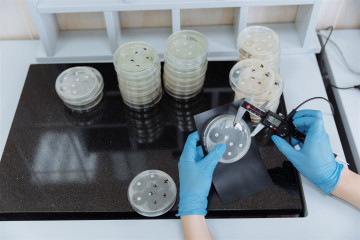
Small pieces of human lung tissue grown in the laboratory may offer researchers a new way to study how the lungs respond to viruses. An NIH-supported team has developed organoids that retain immune cells alongside other tissue components, allowing the researchers to observe local antiviral responses. In the study, reported in October 2026, researchers used lung tissue from more than 220 volunteers and maintained the models in a three-dimensional air–liquid culture system for up to several months. The organoids retained several immune cell populations, including tissue-resident T cells. Testing a response When the researchers exposed the models to SARS-CoV-2, they observed virus-specific adaptive immune responses. Pre-stimulating the organoids with viral fragments reduced subsequent infection in the laboratory model. The findings support further investigation of local lung immunity and of vaccination strategies aimed at mucosal defenses. The work is a research advance, not a new vaccine or a clinical treatment. An organoid cannot reproduce the full complexity of a person’s body, and results in tissue culture do not establish how a vaccine will perform in people. Further studies are needed to translate the findings. Why the model matters Because the culture retains tissue and immune components together, it gives scientists a way to investigate interactions that simpler cell models may miss. The researchers suggest it could also help study other respiratory diseases in the future, although those uses remain to be established. What makes this model different? Many laboratory studies use isolated cells to answer a precise question. That approach is useful, but it can remove cells from the surroundings in which they normally interact. The Stanford team’s model used intact fragments of distal human lung tissue in a three-dimensional air–liquid interface. NIH says the culture system simulated aspects of the lung’s gas-exchange environment and maintained the tissue for months. The organoids retained structural components and several immune populations. In addition to T cells, the published abstract reports B cells, natural killer cells and myeloid cells. Retaining these populations creates an opportunity to observe responses within a tissue setting rather than examining just one type of cell in isolation. One focus was tissue-resident memory T cells. These immune cells remain in tissue and can respond when they encounter a recognized pathogen again. The researchers examined whether such cells in their lung models retained the ability to recognize viruses and whether a local response could limit infection. From a viral challenge to a research question In the SARS-CoV-2 experiments, the team observed responses specific to the virus, alongside more general inflammatory reactions. In a separate step, the organoids were exposed to viral fragments before infection. The later reduction in infection provided evidence that local immune activity in the model could contribute to protection. This is a controlled laboratory experiment, not a trial in volunteers given a new vaccine. The tissue fragments came from volunteers, but the experimental exposure occurred in culture. The study cannot establish how an intervention would perform in a whole person, how long protection would last, or whether it would be safe and effective in a clinical population. Where the work could lead NIH says the platform may help investigators study local tissue immunity separately from other parts of the immune system. That separation is an advantage for some questions and a limitation for others: the circulation, other organs and the full immune system are not reproduced in a dish. Researchers will need to compare observations from the model with other experimental systems and, eventually, appropriate clinical evidence. The authors suggest future applications in respiratory conditions such as asthma, chronic obstructive pulmonary disease and bacterial infection. Those are proposed directions, not findings that this study has already established for each disease. Different pathogens and conditions may require different experiments and validation. The immediate contribution is a research platform and evidence about lung-resident immune responses. Whether it can guide a new local vaccination strategy will depend on additional studies of the mechanism, reproducibility and real-world clinical outcomes. The distinction between a promising model and a proven intervention is essential when interpreting this work. Sources: NIH research release; Rathkey and colleagues, Nature, 2026. Featured image: illustrative laboratory culture measurement by Thirdman / Pexels; it does not show the organoids in the study.

A1C and blood glucose: why diabetes tests tell different stories

Why Can You Sleep All Night and Still Wake Up Tired?